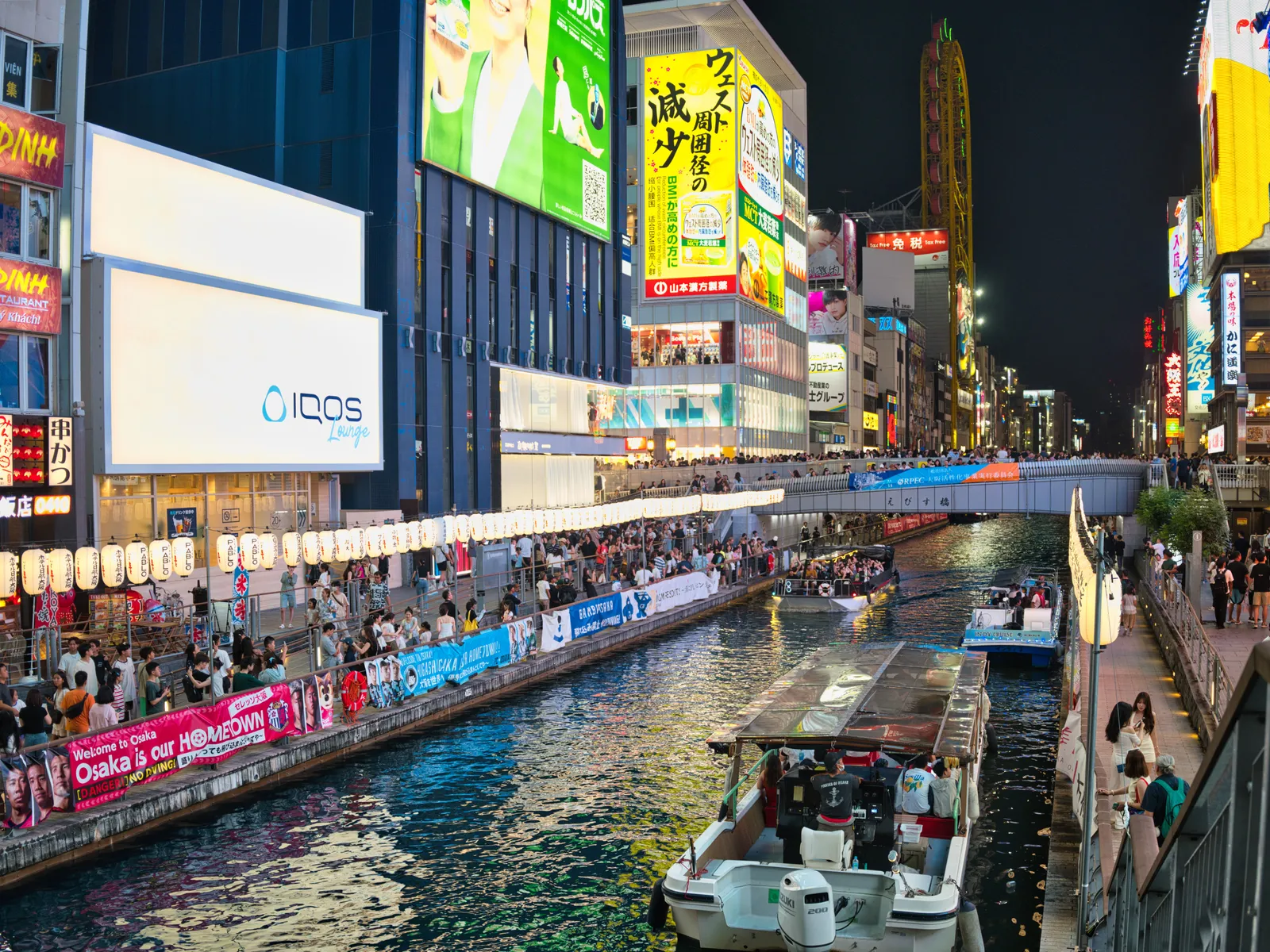
Osaka is a city of two centres with a lot of city between them, which makes choosing where to sleep more consequential than the map suggests. It is also, for a certain kind of trip, a smarter base than Kyoto for seeing the whole Kansai region. Here is how the districts differ and which suits which plan.
The two hubs
Osaka is organised around a northern hub and a southern one, known locally as Kita and Minami, and they have distinct characters.
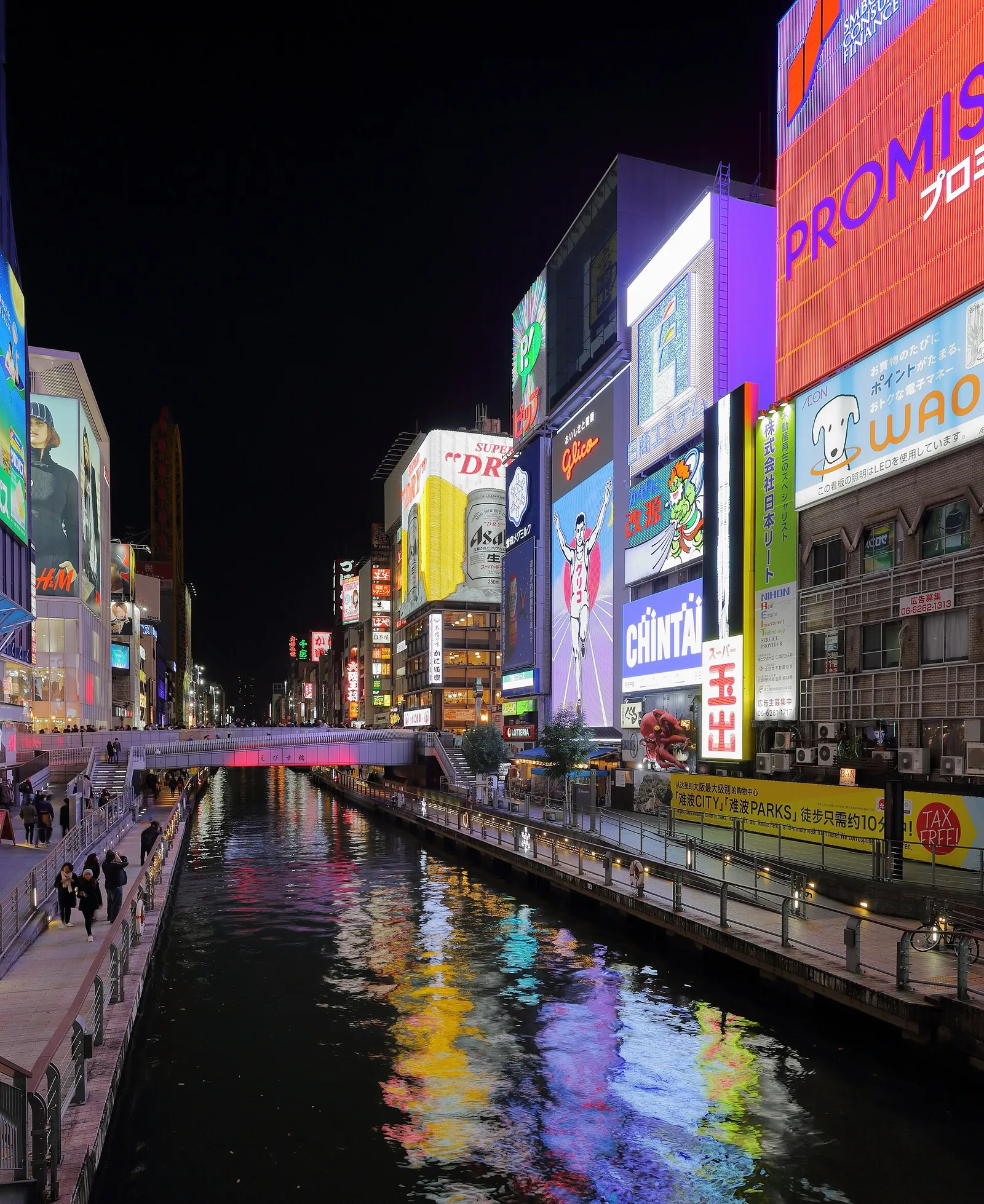
Minami, centred on Namba, is the Osaka people picture: the neon along the Dotonbori canal, the covered shopping arcades, the street food, the small bars in the lanes behind. It is the more enjoyable place to be after dark by a wide margin, and it is where the city’s reputation as the food capital of Japan actually lives.
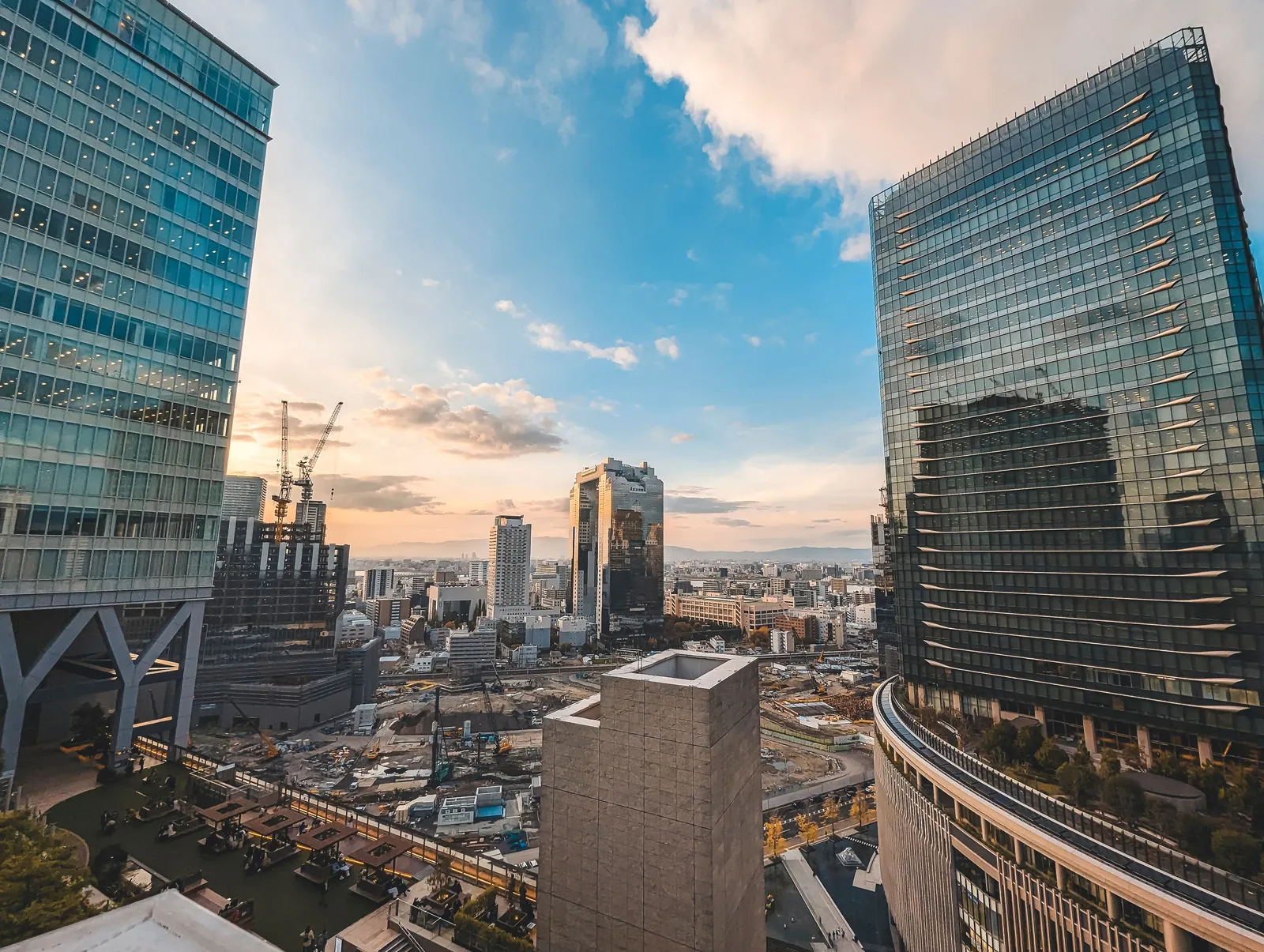
Kita, centred on Umeda, is the larger transport interchange and the better shopping district, with department stores, tall buildings and a station complex substantial enough to get lost in. It is more convenient for onward travel and for day trips out of the city.
Ten minutes on the subway separates them. The choice is essentially whether you want to walk out of your hotel into the evening or into the rail network.
Osaka as a base for the region
This is the argument most visitors have not considered. Kyoto is about half an hour away by train, Nara is close, Kobe is close, and Osaka accommodation is consistently cheaper and easier to book than Kyoto’s, which is chronically short of rooms for its visitor numbers.
Basing yourself here and commuting to Kyoto saves money and gives you far better evenings, since Kyoto quietens early and Osaka does not. What you give up is dawn and dusk in Kyoto, which is precisely when its famous sites are worth seeing without crowds.
That is the real trade: money and food against early mornings at the temples. Our comparison of Tokyo and Osaka covers the wider question of where Osaka sits in a Japan trip.
Tennoji and the south: the value option
The Tennoji area, further south, is where the money goes furthest. There is a wide range of budget and mid-range hotels, rail connections running in every direction including to the airport, a large park, and the Shinsekai district nearby for cheap eating and drinking under an older, scruffier version of Osaka’s neon.
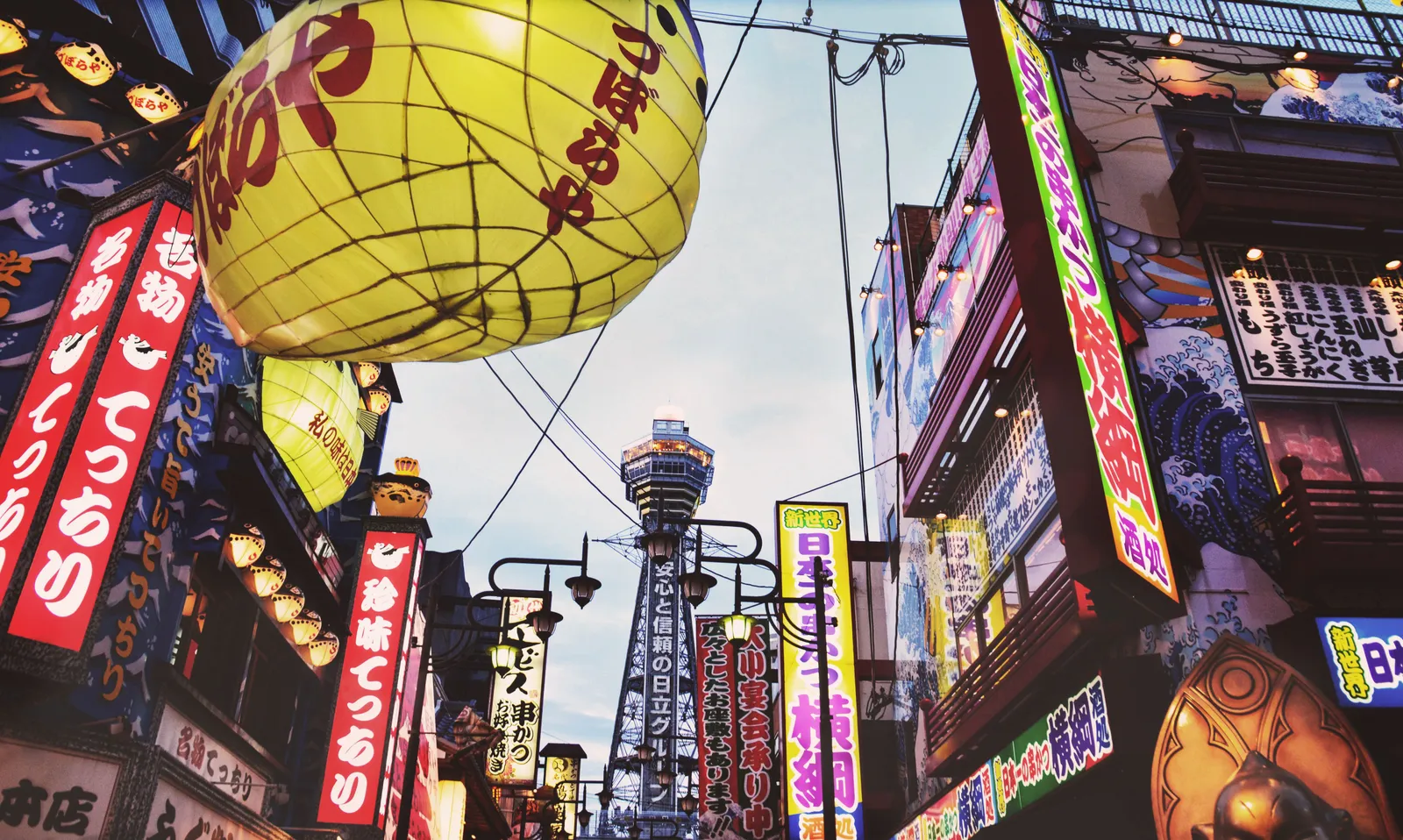
It is less polished than the two main hubs, and parts of it are visibly working-class in a way the centre is not. For some visitors that is the appeal and for others it is a reason to stay elsewhere. Either way the transport is good and the prices are noticeably lower.
Osaka rooms are the region's release valveWhen Kyoto is booked out for autumn or blossom season, Osaka usually still has availability half an hour awayShin-Osaka: only if the train dictates it
Shin-Osaka is the shinkansen station, and it sits north of the city proper. The area around it is business hotels and not much else, quiet in the evening and some distance from anything anyone comes to Osaka for.
It makes sense for exactly one scenario: a single overnight between two long train journeys where you want to be at the platform in the morning. For anything longer, the few minutes on the subway into Umeda or Namba are worth taking.
The bay and Universal Studios
The bay area on the west side holds the aquarium, the big wheel and Universal Studios, and there are hotels aimed squarely at park visitors within a short walk or shuttle of the gates. If you are doing an early entry, that proximity is genuinely valuable.
Outside that specific case, the bay is quiet and a long way from the food and nightlife that justify the trip. Most people should stay central and take the train out.
A note on walking
Osaka is a spread-out city, not a compact one. Within a district it is very walkable, and the covered arcades in particular are designed for it. Between districts it is not: Namba and Umeda are a few kilometres apart with a lot of city in between.
The subway is cheap, frequent and easy to navigate, and the sensible pattern is to walk within a neighbourhood and ride between them. A transport IC card removes any need to think about fares, and the same card works on the trains out to Kyoto, Nara and Kobe, which is the other reason Osaka functions well as a regional base.
One further point in Osaka’s favour that rarely makes it into itineraries: the city is markedly easier to be a visitor in than either Tokyo or Kyoto. It is smaller than the capital and less formal than the old one, people are noticeably more inclined to strike up a conversation, and the eating culture is built around standing at counters and sharing space rather than around reservations. For a first trip to Japan, that makes it the city where the language barrier feels lowest. Our Osaka guide covers what is in each area, and for anyone weighing this against the capital, our guide to where to stay in Tokyo sets out how differently that city handles the same question.