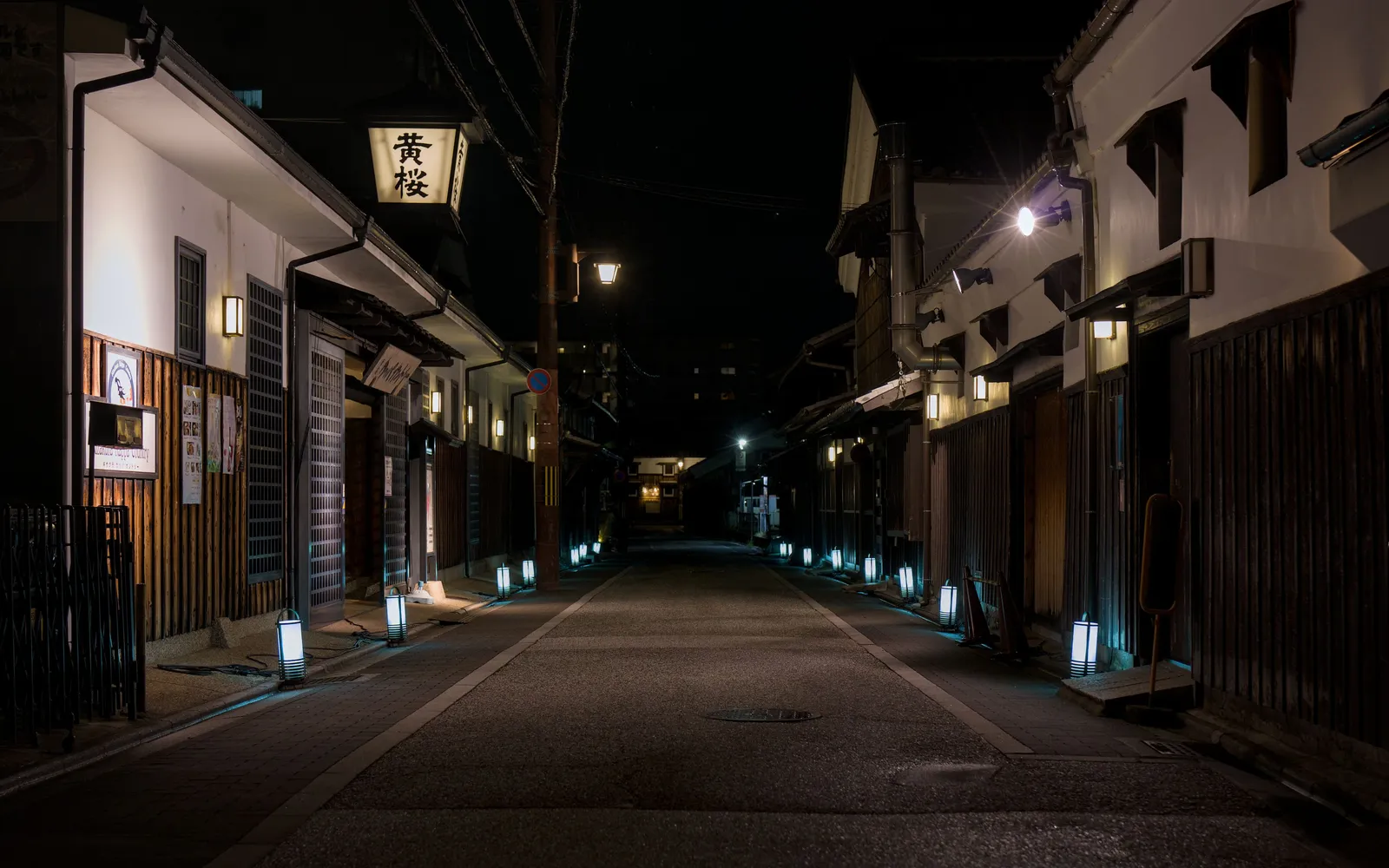
Choosing where to sleep matters more in Kyoto than in almost any other Japanese city, and the reason is not price or atmosphere. It is that Kyoto runs on buses. Get the location wrong and you spend a substantial part of every day standing in a crowded vehicle in traffic. Here is how the city divides and which trade-off suits which trip.
Why the transport shapes this decision
Tokyo has one of the densest rail networks on earth, so where you stay barely matters. Kyoto has two subway lines, one running north to south and one east to west, plus a handful of private railway lines around the edges.
Everything else runs on buses. A great many of the temples people come for, including several of the most famous, are reached by bus, and those buses are slow and crowded through the middle of the day in every season.
The practical consequence is that a base near a subway line or a rail station is worth a great deal, and that the difference between a good location and a bad one is measured in hours per day rather than minutes. Our Kyoto guide covers the sights; this is about not spending your trip getting to them.
Downtown: the safe default
The area around Kawaramachi and Shijo is where the two subway lines and the main private railway converge, and it holds the densest concentration of restaurants, bars and shops in the city. The covered shopping arcades and the Nishiki food market are here, and the Kamo river runs along its eastern edge.
It is not the prettiest part of Kyoto and it will not appear in anyone’s photographs of the city. What it does is remove the transport problem entirely, put you within walking distance of dinner, and leave the eastern and western temple districts both within easy reach.
For a first visit of three or four nights, this is the recommendation.
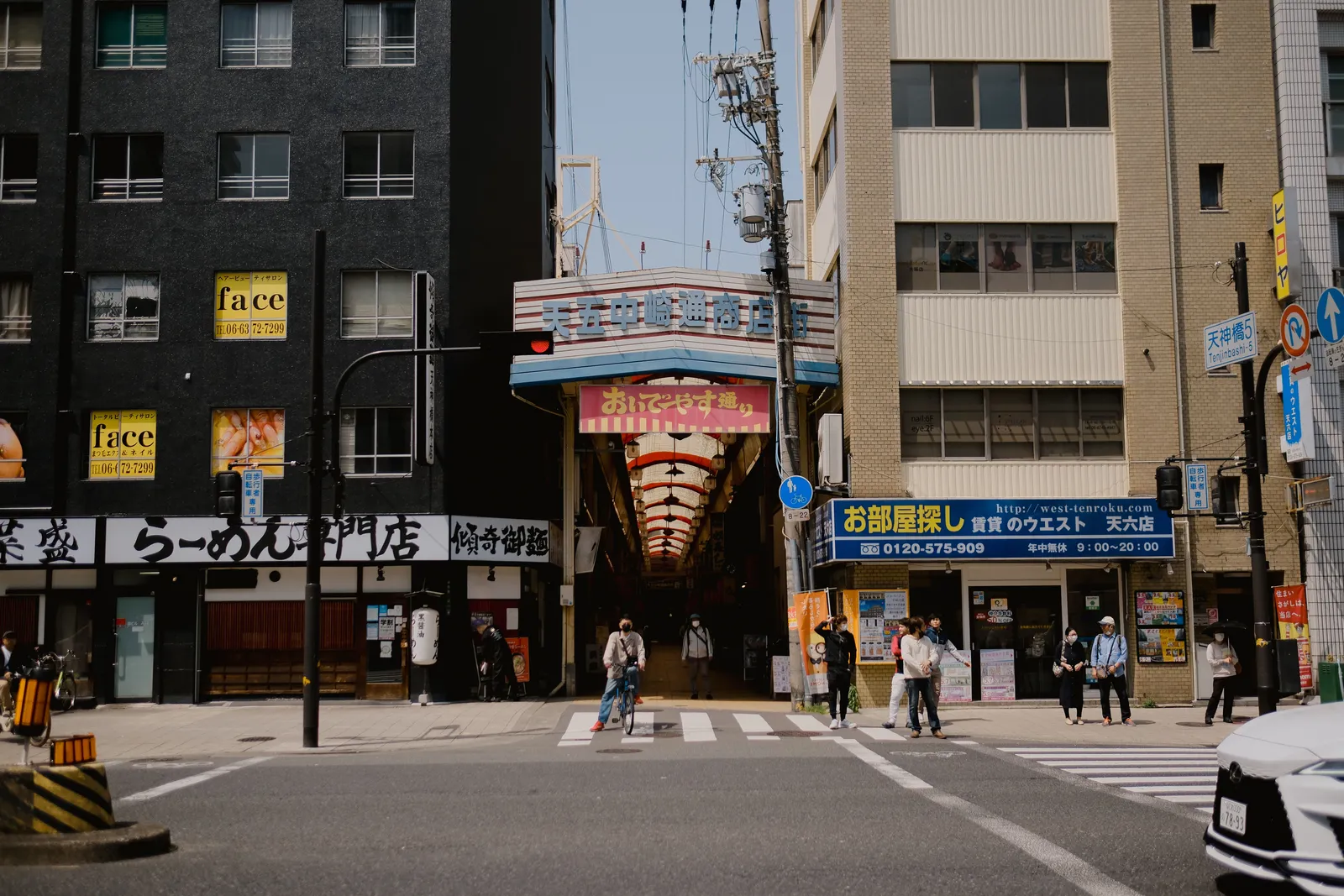
Higashiyama and Gion: atmosphere at a price
The eastern hills hold the Kyoto of the imagination: preserved streets of wooden buildings, stone lanes climbing towards temples, and the historic entertainment district of Gion. Staying here means walking to several of the major temples, and being present in the early morning and the evening when the day visitors have gone, which is when the area is at its best.
The costs are real: prices are high, availability is limited, and the district is comparatively quiet at night for ordinary eating and drinking. It suits a shorter, more focused stay rather than a week of day trips.
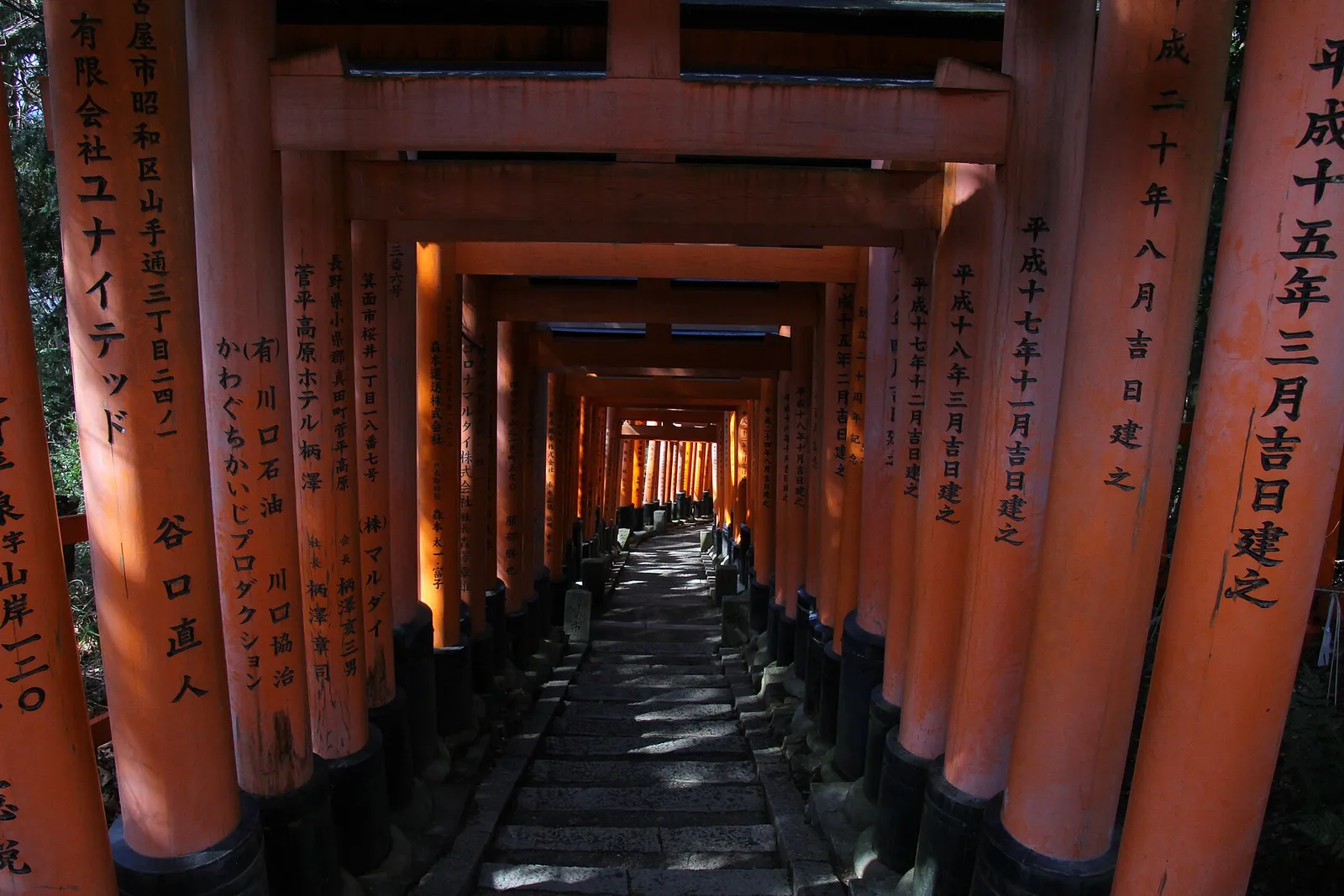
Our guide to the Kyoto temples and Fushimi Inari covers what is within reach on foot from here, which is the main argument for the extra cost.
Kyoto Station: convenience without charm
The station area is the arrival point for the shinkansen, the hub of the bus network and the departure point for most day trips. The hotel choice is wide at every price level, and it is by some distance the most practical base for anyone moving on quickly or making trips to Nara, Osaka and beyond.
What you give up is character. The area is modern, commercial and busy, and it feels a long way from the city people picture, even though the eastern temples are a short ride away. For a trip built around day trips rather than around Kyoto itself, that is a reasonable trade.
Book earlier here than anywhere else in JapanKyoto has limited accommodation for its visitor numbers, and the autumn and cherry blossom weeks sell out months aheadRyokan and machiya: do it for a night or two
Two distinctively Kyoto options are worth building into a stay rather than basing it on.
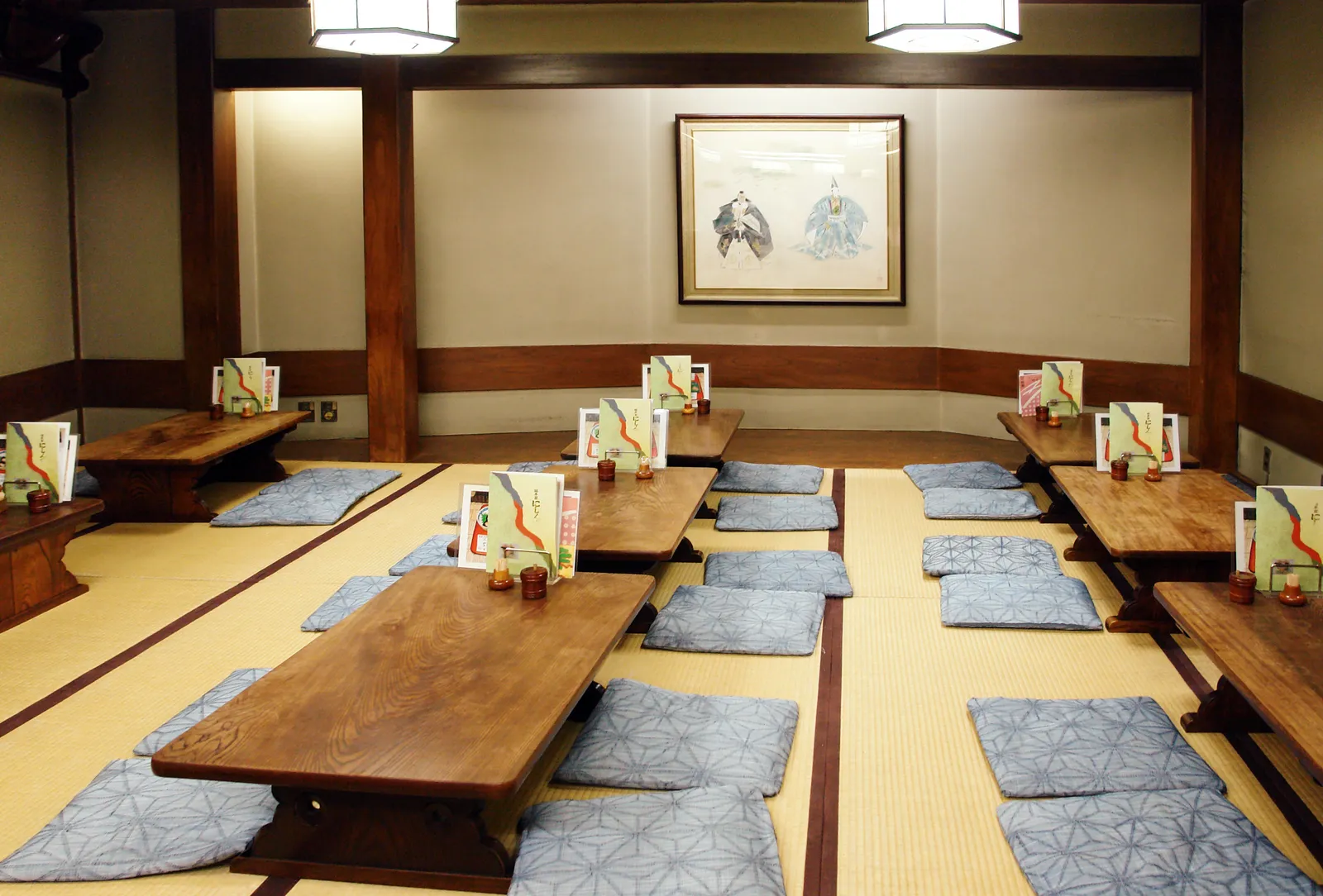
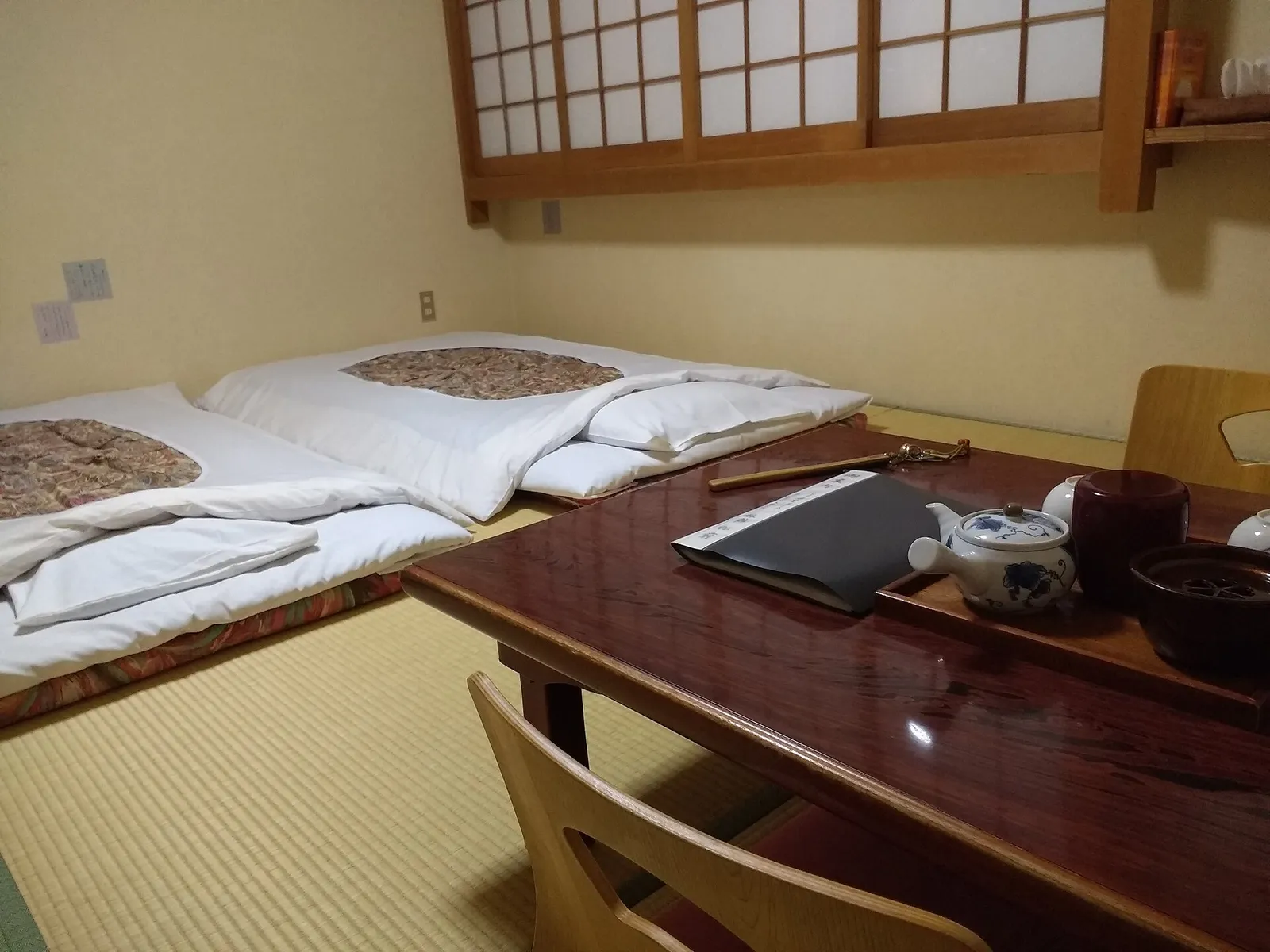
A ryokan is a traditional inn: tatami rooms, futon bedding laid out in the evening, communal baths, and frequently an elaborate dinner and breakfast included. It is an experience rather than accommodation, with its own etiquette, and our ryokan guide covers how it works. One or two nights is what most people want.
A machiya is a restored wooden townhouse rented whole, which suits families and groups and gives a genuine sense of how the city was built. It has the same charm and the same practical quirks: narrow stairs, limited insulation, and a layout designed for a different way of living.
The common pattern is a night or two of either, and conventional hotel rooms for the rest.
The quiet options
Arashiyama in the west and the northern districts are considerably calmer, especially in the evening and at dawn. If seeing the bamboo grove or the famous temples without crowds is the priority, sleeping out there is the way to do it.
The price is journey time to everything else, since both sit on the edge of the city. For a second visit or a longer stay, that is a good trade. For a short first trip, it usually costs more than it saves.