Tokyo defeats visitors who treat it as a city with a centre. It has at least half a dozen, several of them larger than the whole downtown of a European capital, and the train ride between two of them can easily swallow 40 minutes. Three days here works if you group the map rather than the wish list, so this itinerary spends each day inside one broad area and walks it.
How to Think About Three Days in Tokyo
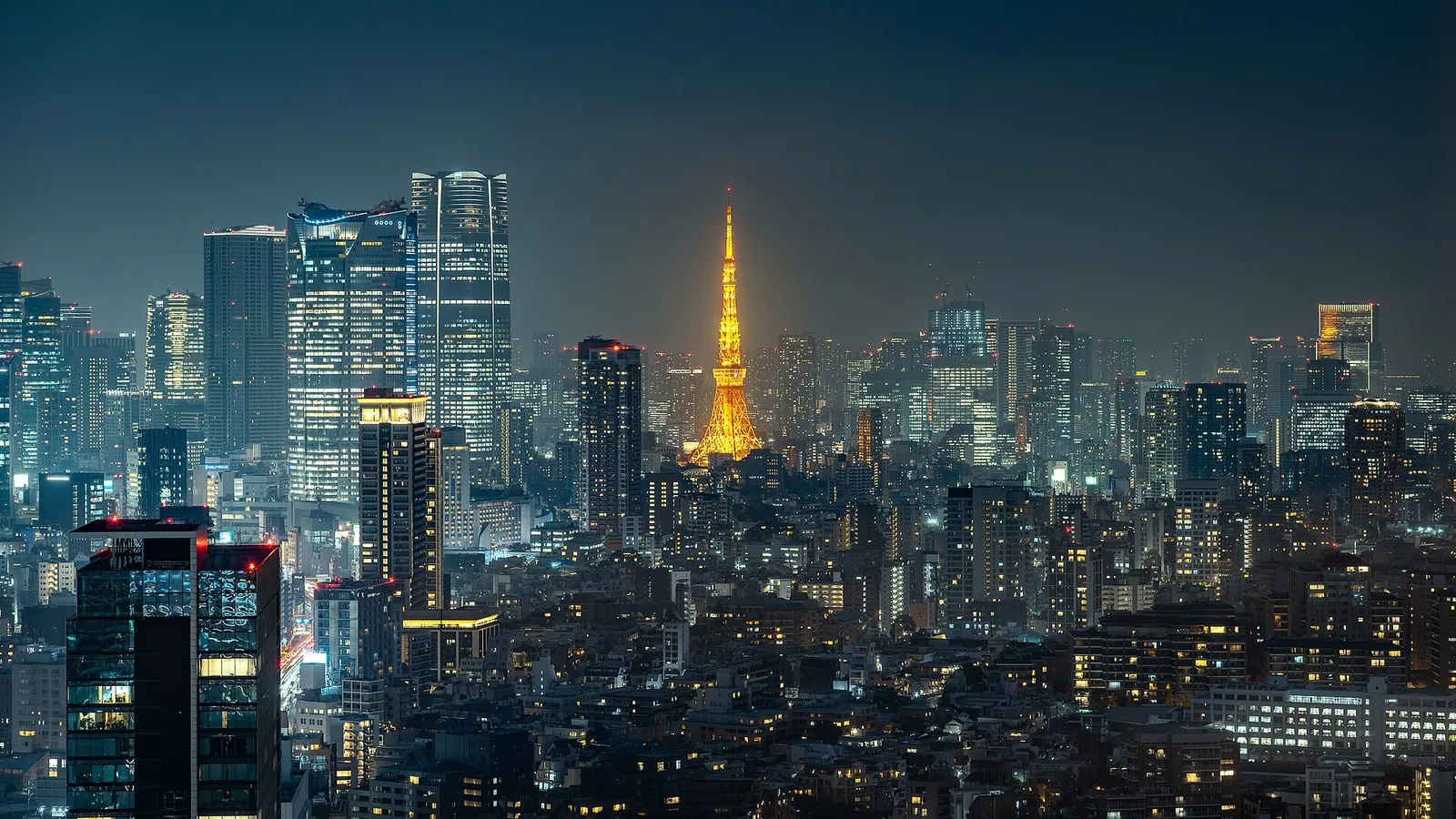
The city divides usefully into an eastern half, older and lower and built around the Sumida river, and a western half, newer and taller and built around the Yamanote line stations.
One half per day for the first two days, with the third day free for whatever the first two made you want more of.
Two anchors per day at most: one thing you booked, one thing you walked.
Nothing scheduled for the arrival evening, because a long haul arrival plus the transfer in leaves very little in the tank.
If you would rather build your own version, our Tokyo neighbourhoods guide sets out what each district is actually like.
Day 1: The East Side
Start where the city started. The eastern districts are lower, older and easier to walk, which makes them the right choice for a jet lagged first morning.
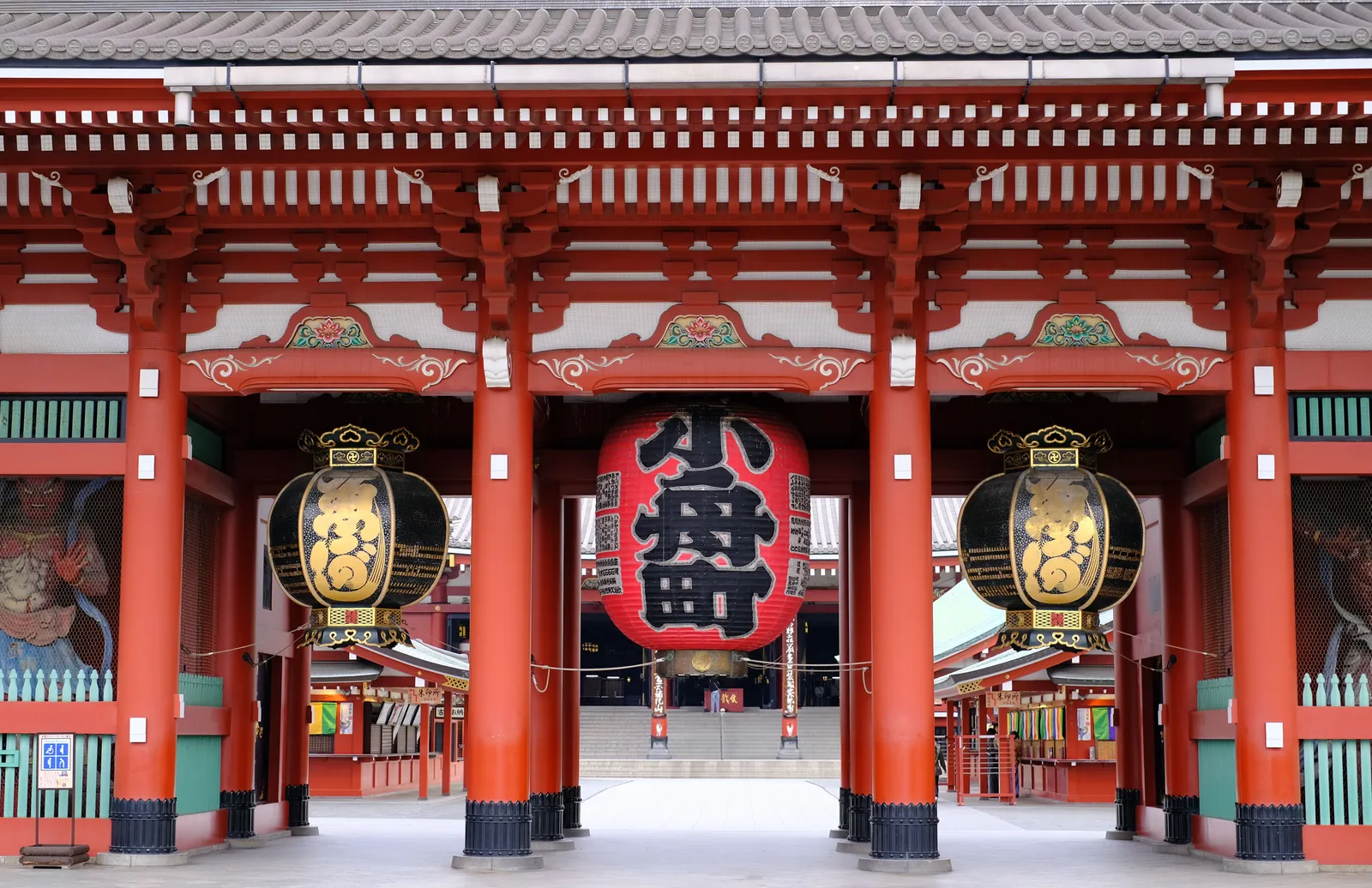
Asakusa in the morning. Senso-ji is at its best before nine, when the approach street is still opening up and the temple is briefly quiet. The surrounding lanes are more interesting than the souvenir arcade.
The Sumida river for the walk across to the Skytree side, with the tower visible for most of it.
Ryogoku in the afternoon. The Tokyo Metropolitan Edo-Tokyo Museum reopened here on 31 March 2026 after a four year renovation, and it remains the single clearest explanation of how a fishing village became one of the largest cities on earth. Ryogoku is also sumo country, and the stable district around the arena is worth the walk even outside tournament season.
Ueno as an alternative, if museums are your priority: the park holds several of the country’s major national collections within a few minutes of each other.
Day 2: Shibuya, Harajuku and Shinjuku
The western half is the Tokyo of the postcards, and the three stations sit within two stops of each other, so this day involves very little transit.
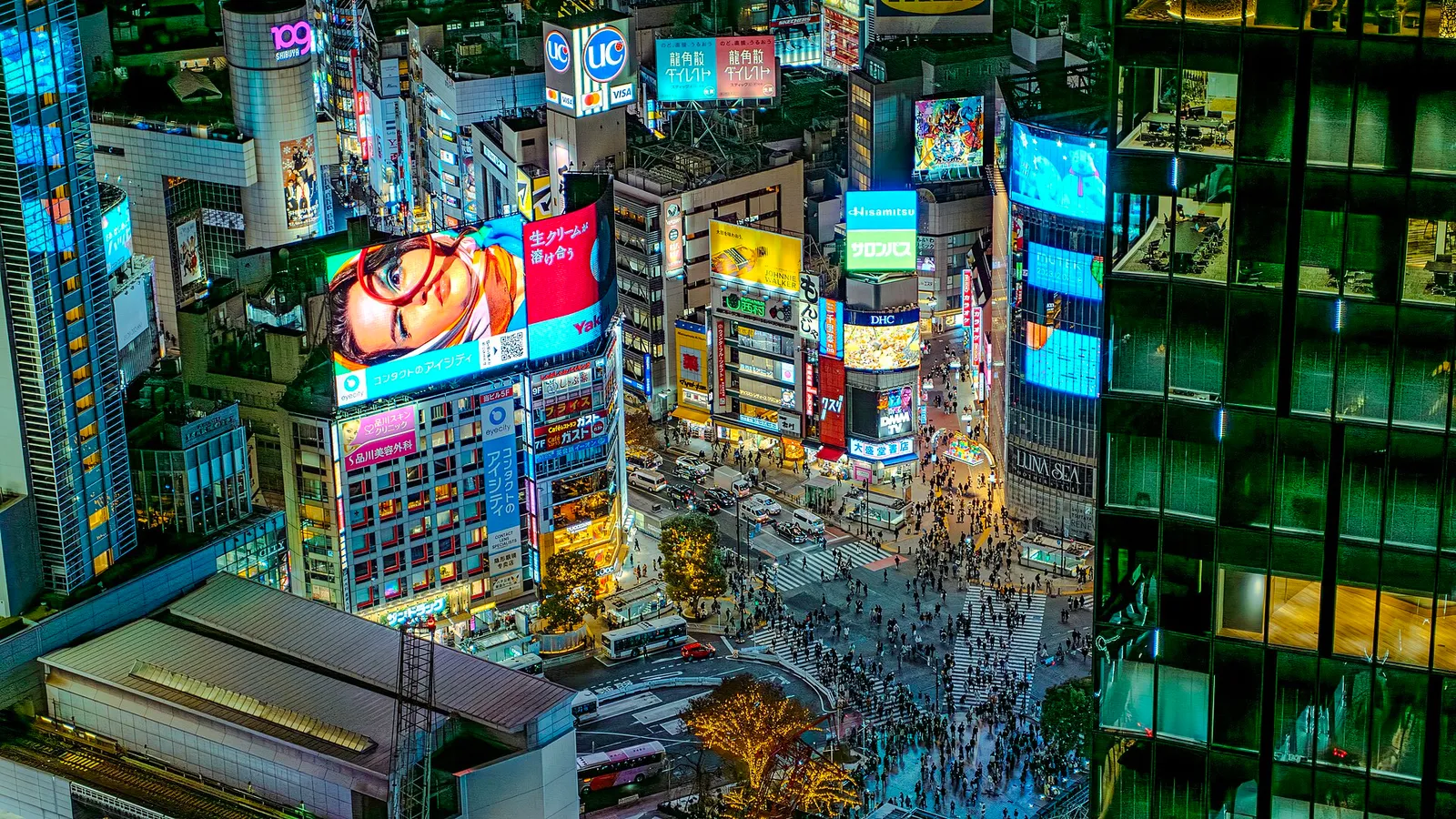
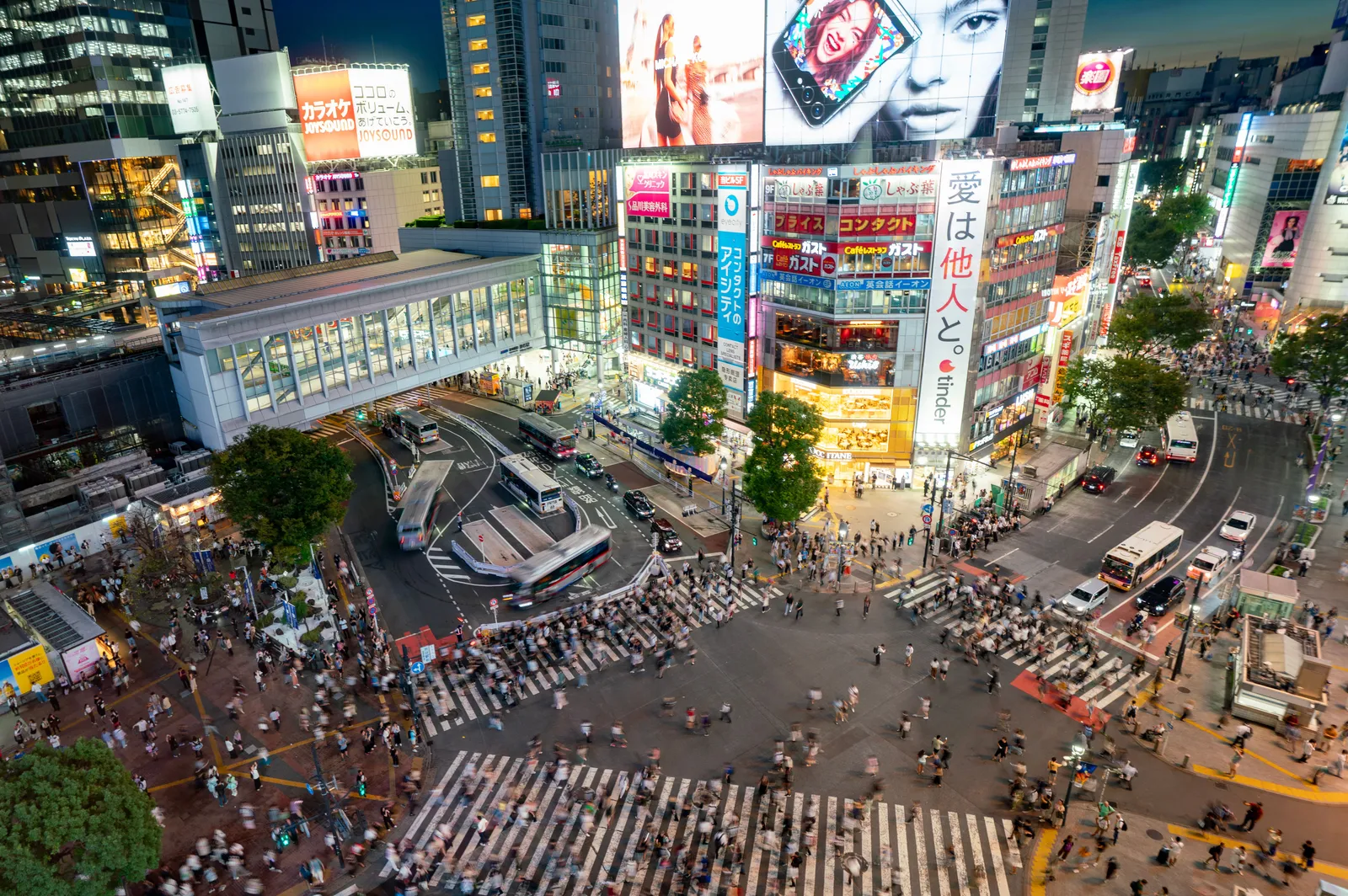
Shibuya first. The scramble crossing is best seen from above, and Shibuya Sky is the obvious viewpoint. It uses timed entry and sells out during peak weeks, so book on the official site in advance rather than turning up. Prices and opening hours have both changed in recent years, so take the figures from the operator rather than from a blog.
Harajuku next, either the loud version along Takeshita street or the calm one along Omotesando, which is a completely different city three minutes apart.
Meiji Jingu in between, a genuine forest in the middle of the western city and the best free hour in Tokyo.
Shinjuku in the evening. The government building observation decks are free and give a wide view west toward Fuji on clear days. Golden Gai and Omoide Yokocho are the atmospheric drinking alleys, small and increasingly busy, and many bars there charge a seat fee.
Book a guided evening food walk in ShinjukuA local guide gets you into the small alley bars where the language barrier is real.Day 3: Choose Your Tokyo
The third day is where the trip becomes yours. Pick one and commit rather than trying to combine two.
The art day. teamLab Borderless at Azabudai Hills, or teamLab Planets in Toyosu, both timed entry and both worth a half day. Our teamLab guide compares them. Confirm current venue status and tickets on the official teamLab site, since the venues have opened, moved and announced closures more than once.
The pop culture day. Akihabara for electronics and anime, then Nakano Broadway for the older and stranger version of the same thing.
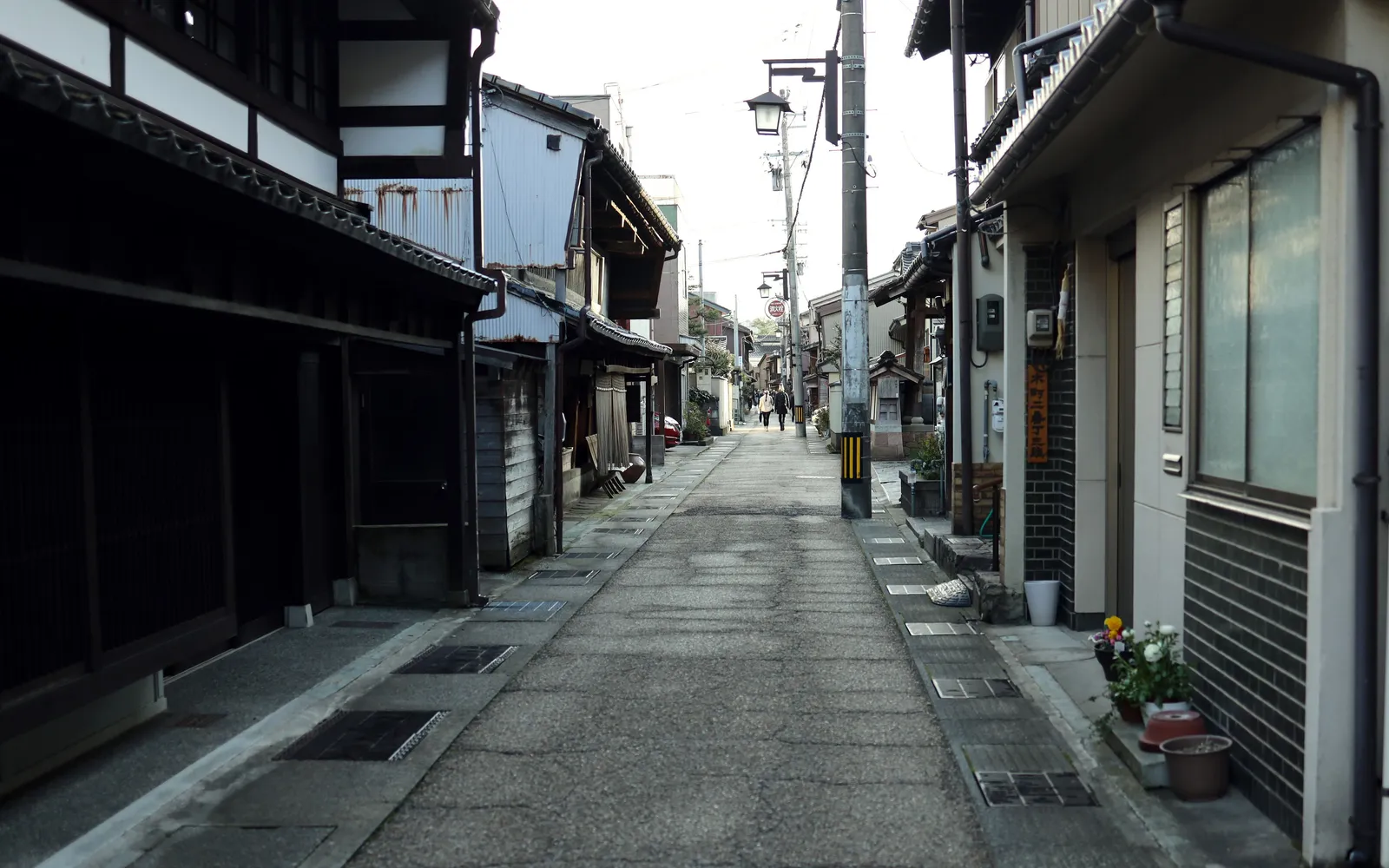
The quiet day. Yanaka and Nezu, in the north east, are the closest Tokyo comes to a low rise old town, with a long shopping street and a cemetery that is genuinely lovely in spring.
The escape day. Kamakura or Nikko are both within reach as day trips, though a day trip on a three day city visit is a real trade.
Getting Around, and What It Costs
Tokyo has two subway operators plus JR and several private railways, and the fare structure reflects that. For a three day visit you do not need a rail pass.
Use an IC card. Suica or Pasmo covers almost everything, including buses and convenience stores, and removes the need to work out fares at every gate.
Individual journeys are cheap, generally a few hundred yen within the central area, which is why the day passes rarely pay for themselves unless you plan a genuinely relentless day.
Walk more than you expect to. Neighbouring districts are often 20 minutes apart on foot and 15 minutes apart by train once you count the station walk.
Taxis are expensive relative to the trains but useful after the last service, which on most lines runs somewhere around midnight.
For the wider practicalities, our Tokyo city guide covers the city beyond this route.
Practical Notes for a Short Stay
Tax free shopping depends on visa status, not nationality. It is available to visitors admitted under Temporary Visitor status, so a foreign passport alone does not qualify you if you live in Japan. Carry the passport itself to the till, as a photo is generally not accepted.
No entry authorisation is required today. Japan legislated in May 2026 for a future electronic travel authorisation, JESTA, but the government is targeting a launch in fiscal 2028 (April 2028 to March 2029), so there is nothing to apply for now. Visa exemption for short stays depends on your passport, with the United States, United Kingdom, Ireland, Australia, Canada, New Zealand, Singapore and the EU and EEA states among those with arrangements on varying terms. Check the Ministry of Foreign Affairs of Japan site for yours.
Departure tax is now 3,000 yen, up from 1,000 yen for departures from 1 July 2026, and it is included in your ticket price rather than paid at the airport.
Luggage is the hidden problem. Tokyo hotel rooms are small and station lockers fill early in the day. If you are moving on to Kyoto, the same day luggage forwarding services used by domestic travellers are cheap and remove the worst part of a travel morning.