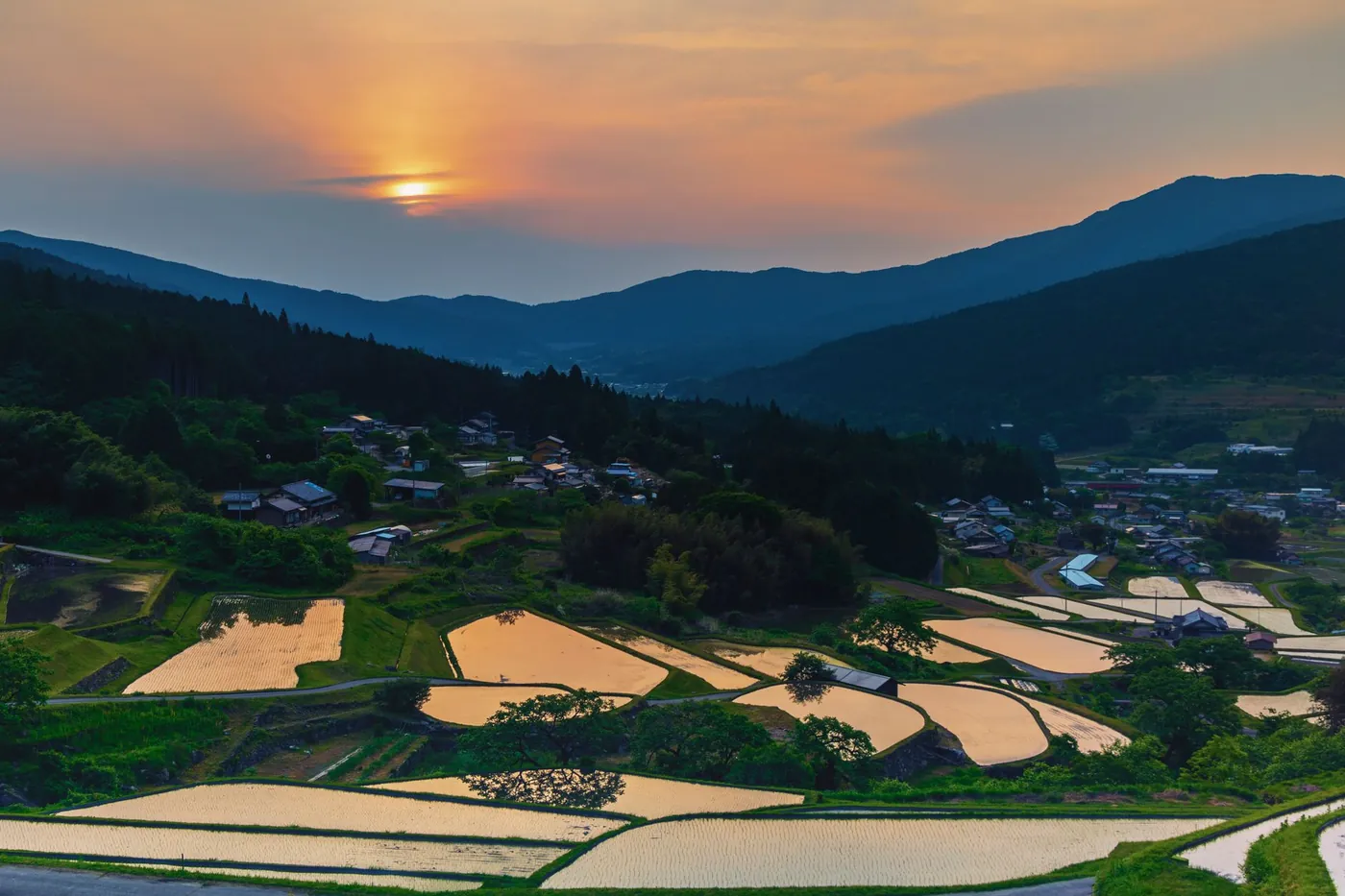
The busiest parts of Japan have become genuinely busy, and the country has noticed. Barriers have gone up at photograph spots, alleys have been closed, and lodging taxes have been raised. What gets less attention is that Japan is also actively trying to send visitors somewhere else, which happens to be where the best of the country has always been.
Why the Quiet Route Exists Now
The Japan Times reported on 27 March 2026 that the cabinet adopted a new tourism plan for the five years from fiscal 2026, setting a target to raise the number of regions implementing overtourism countermeasures from 47 to 100 by 2030, while pushing to attract more foreign visitors into rural areas. That is the government’s framing, not a general fact about how crowded any given place will be.
You can already see both halves of that policy on the ground.
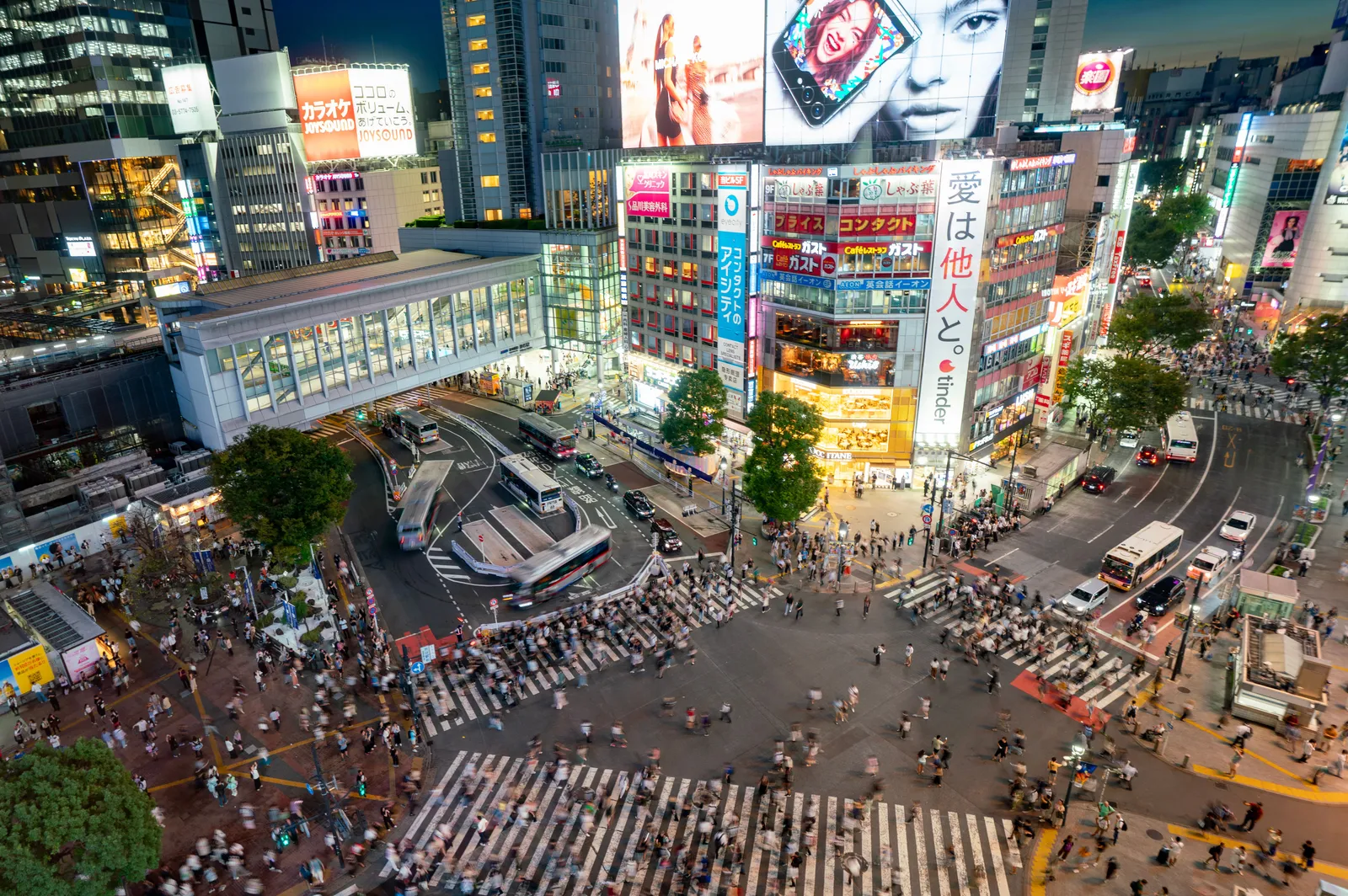
The restriction half: Kyoto raised its lodging tax on 1 March 2026 with the amount scaled to room rate, and in Gion photography is prohibited on the district’s private alleys, with tourist access to some of them restricted. Those measures apply to specific private lanes rather than to Gion as a whole, and the main streets remain open, but the signs are unmissable.
The dispersal half: funding aimed at regions, and a great deal of promotion of places most visitors have never heard of.
This route takes that seriously. If you want the classic corridor as well, the three week itinerary fits both.
Days 1 to 3: The Setouchi Art Islands
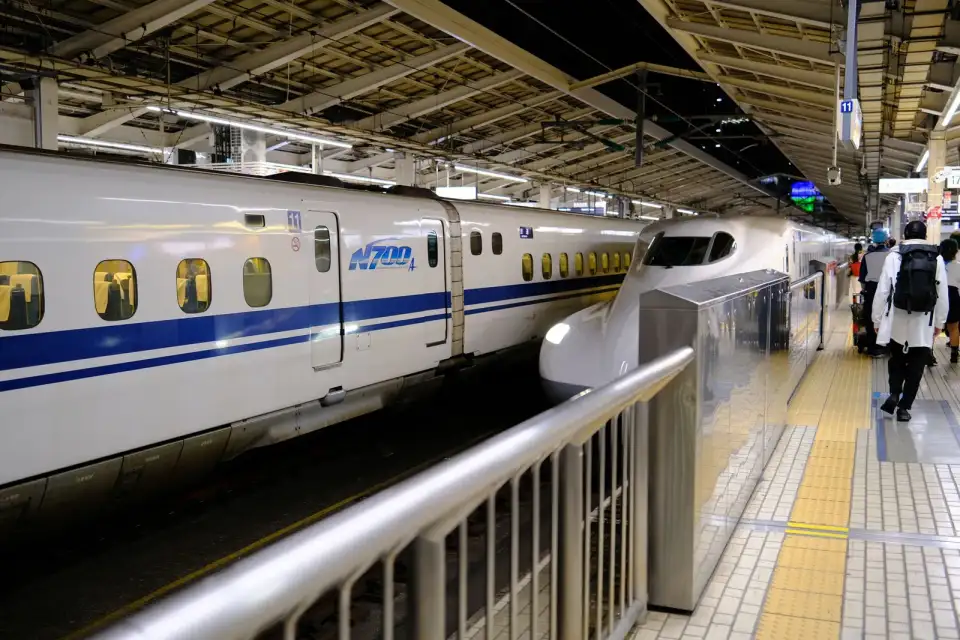
Start at Okayama, which is on the shinkansen and about three and a quarter hours from Tokyo, then go straight to the water.
Naoshima is the anchor: a small island in the Seto Inland Sea turned into a series of museums and site specific installations, some built into the hillside, with a fishing village of converted houses at one end. It is not undiscovered, but it is a completely different kind of busy from Kyoto.
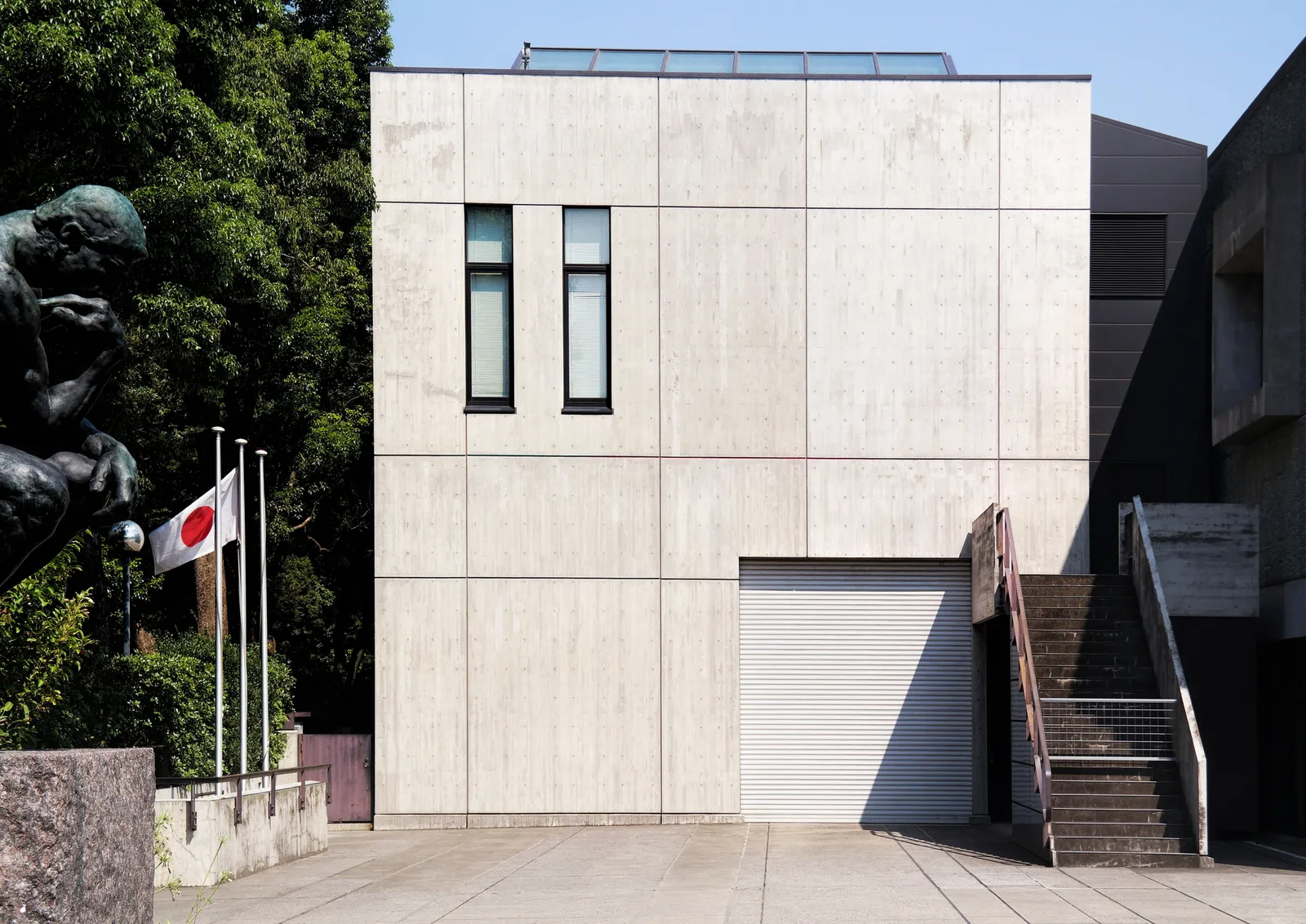
Teshima is the quieter neighbour and, for many visitors, the better island, with a single extraordinary concrete museum in a hillside terrace.
Ferries are the constraint, not the museums. Sailings are limited, several museums close one day a week, and some require advance reservation. Build the days around the boat timetable and confirm it on the operator’s own site for your dates.
Days 4 to 5: Inland Shikoku
Cross to Shikoku, the smallest of the four main islands and the one mainland visitors most often skip entirely.
The Iya Valley is the reason to come: a steep gorge in the mountainous interior with vine bridges, thatched farmhouses and a road that clings to the cliff. It feels genuinely remote in a way little else in Japan does.
Dogo Onsen in Matsuyama is at the other end of the island and claims to be among the oldest hot springs in the country, with a bathhouse that is a designated Important Cultural Property in its own right.
Transport here is the honest difficulty. Buses into the valley run a handful of times a day and the final departure back is often mid afternoon. A hire car solves it completely and is the single biggest quality of life improvement on this route.
Compare hire cars for the Shikoku mountain roadsRural bus timetables in the Iya Valley are sparse and finish early in the afternoon.Days 6 to 7: The San-in Coast
Head north to the Sea of Japan side, which is the least visited stretch of the main island and has been for decades.
Izumo Taisha is one of the oldest and most important shrines in the country, with a mythology quite separate from the imperial line, and a scale that surprises people who arrive expecting a provincial temple.
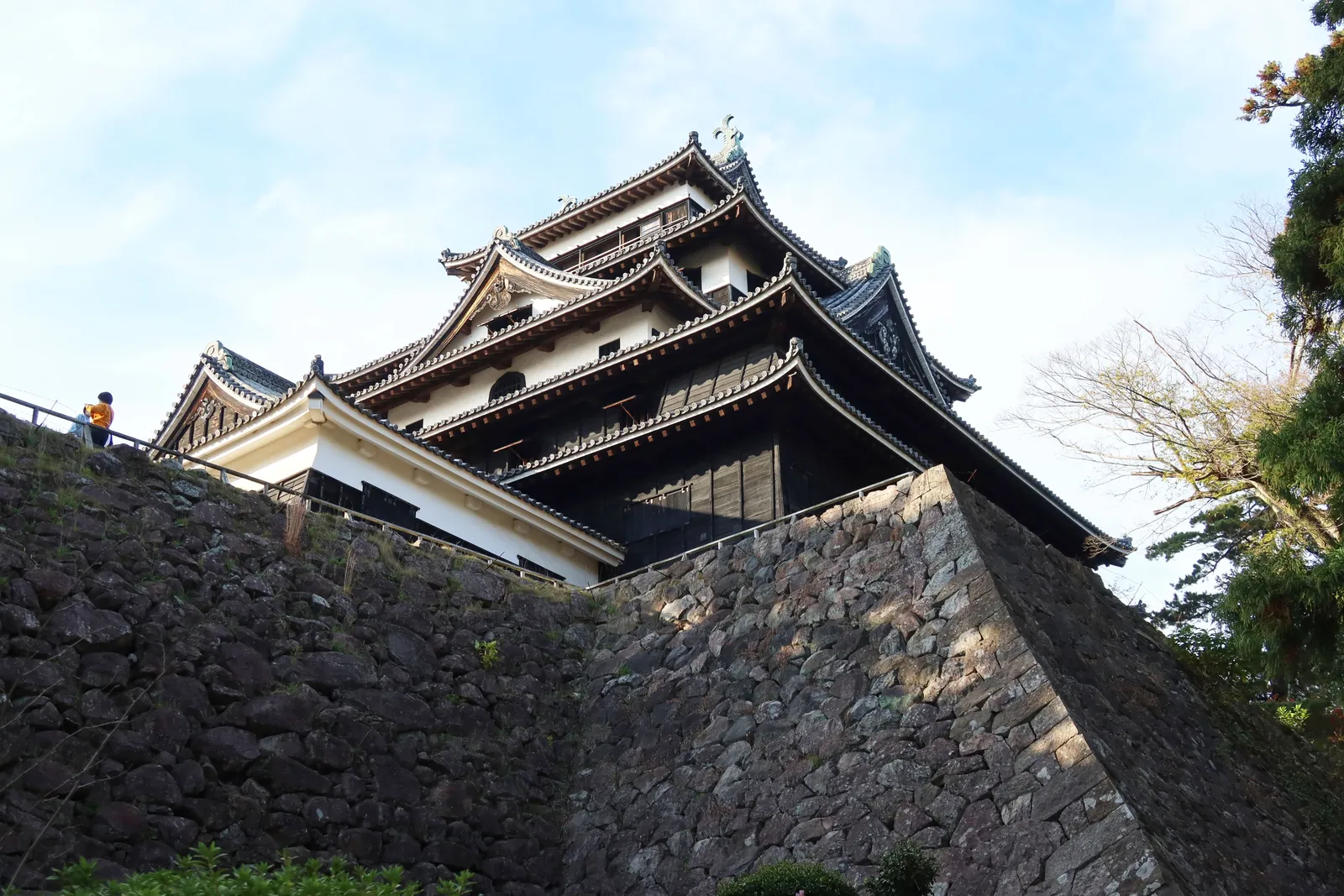
Matsue has one of only a handful of original surviving castle keeps, a moat you can boat around, and a former samurai quarter that receives a fraction of Kanazawa’s visitors.
The Tottori sand dunes further east are the oddity of the coast, a genuine dune field running along the sea, and worth the detour if you are already this far.
Train services along this coast are infrequent compared with the Pacific side. Assume a small number of departures a day on the local lines and check the timetable for your specific date rather than relying on a frequency you read anywhere, including here.
Days 8 to 10: The Kiso Valley and Back to Tokyo
Turn inland and east for the finish, aiming at the old post road that once linked Kyoto with Edo.
Magome and Tsumago are the two best preserved post towns on the Nakasendo, connected by a walking trail of around eight kilometres that takes most people two to three hours. Walking between them, rather than driving to each, is the whole point.
Narai is the longer and less visited post town further north, and the one that most rewards staying overnight after the day visitors have gone.
A night in a minshuku, a family run guesthouse, is the right way to do this section. Dinner and breakfast are usually included and the cooking is regional in a way restaurants rarely are.
From the valley, it is a straightforward run back to Nagoya or Tokyo for a departure. If you want to bolt on a couple of days of the classic route at the end, our Kyoto guide is the place to start, and the best time to visit article covers how the seasons change the calculation.
How to Travel Quietly Without Getting Stranded
Assume limited services, then verify. The single biggest risk on a rural route is not danger, it is the last bus. Check departure times on the day, and have a fallback for how you get back if you miss it.
A car is not cheating. Between the Iya Valley, the San-in interior and the Kiso side roads, a hire car turns three tense days into three easy ones. An International Driving Permit under the 1949 Geneva Convention is required alongside your home licence for most nationalities, and a small number of countries have a different arrangement, so confirm the rule for the country that issued your licence before you fly.
Book rural accommodation early. Small guesthouses have a handful of rooms, and in the post towns and on the art islands they fill months ahead in peak season.
Carry cash. Card acceptance thins noticeably outside the cities, and the reliable machines are in convenience stores and post offices, which are themselves thinner on the ground out here.
Tax free shopping depends on visa status rather than nationality, and applies to visitors admitted under Temporary Visitor status. For purchases from 1 November 2026 it works as a refund: you pay the full price including tax in the shop and get the tax back after customs confirm the goods as you leave Japan. Rural shops that offer it are far fewer, so do not plan purchases around it, and check the current procedure with the Japan Tourism Agency before you shop.
Departure tax rose to 3,000 yen for departures from 1 July 2026 and is collected inside your ticket price. No electronic entry authorisation is required for Japan today: legislation passed in May 2026, but the government is targeting a launch in fiscal 2028 (April 2028 to March 2029), so there is nothing to apply for now.