Japan’s reputation as a cash country is about a decade out of date, and the correction has overshot in the other direction: travellers now arrive assuming a card will work everywhere and get caught out at a noodle counter with a queue behind them. The truth is more useful than either version. Japan is now comfortably cashless in most of the situations where you spend the most money, and stubbornly cash-only in a specific, predictable set of small ones. Once you can recognise which is which, the whole question becomes trivial.
Where cards work, and where they still do not
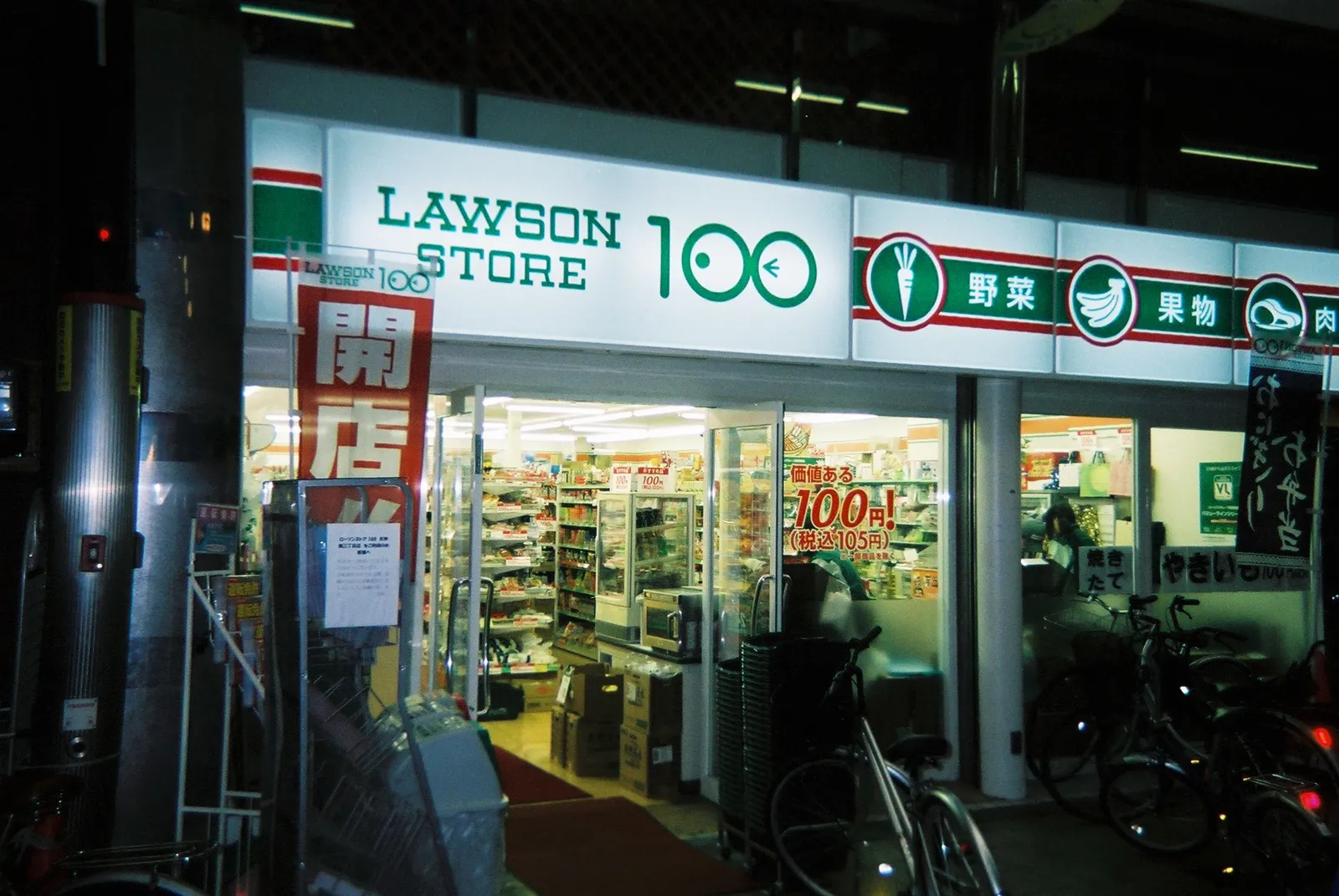
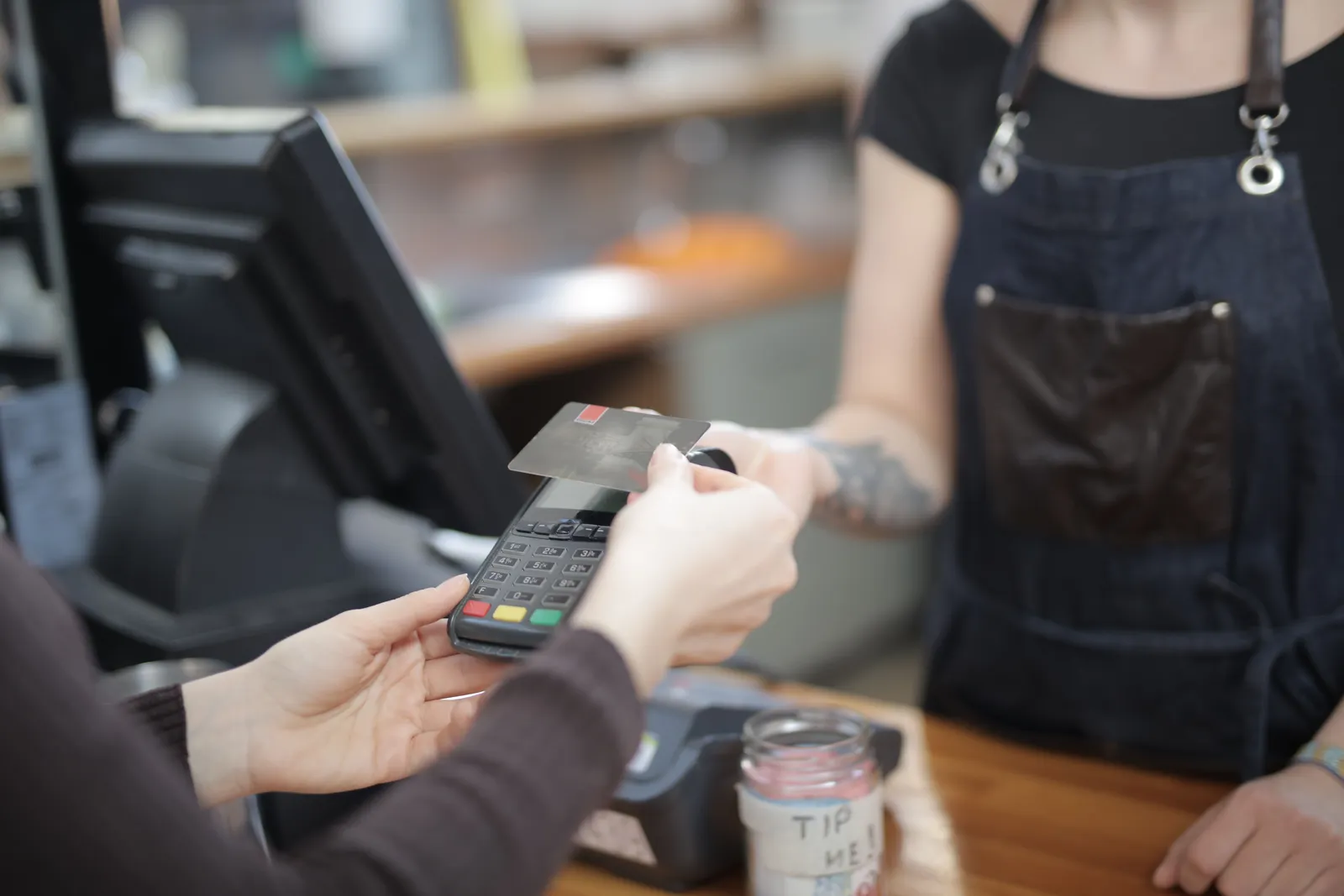
Cards work in the places that account for the bulk of a trip’s spending. Hotels, department stores, chain restaurants, convenience stores, supermarkets, shinkansen tickets, airport shops and most sizeable attractions all take international credit cards, and contactless is normal.
The cash-only pockets are consistent and worth memorising:
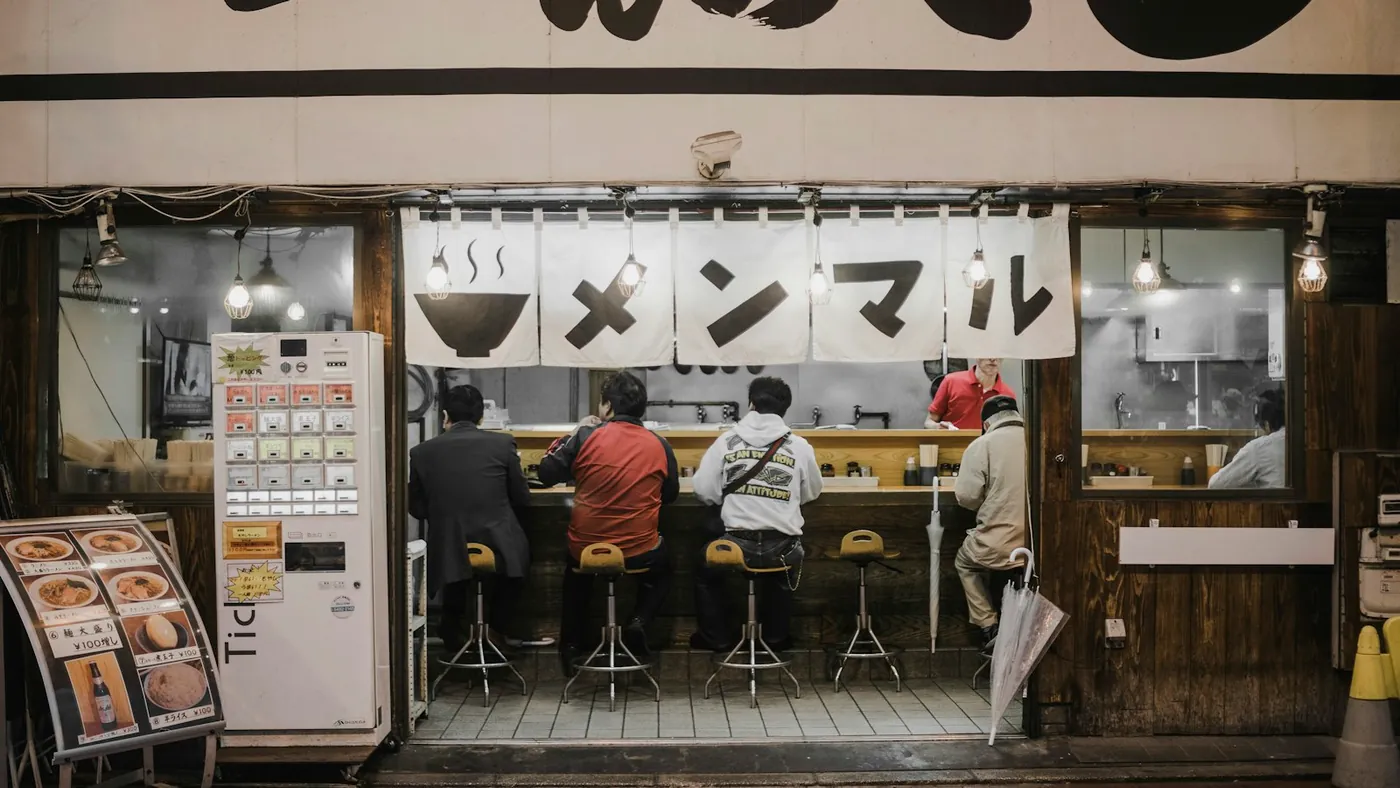
Small independent restaurants, especially counter places, standing bars and old ramen and soba shops with a ticket vending machine at the door. The machine takes coins and notes.
Shrines and temples, for admission, charms and goshuin stamp books. This is a cultural rather than technical thing and it is not changing quickly.
Festival and market stalls, and small produce stands anywhere rural.
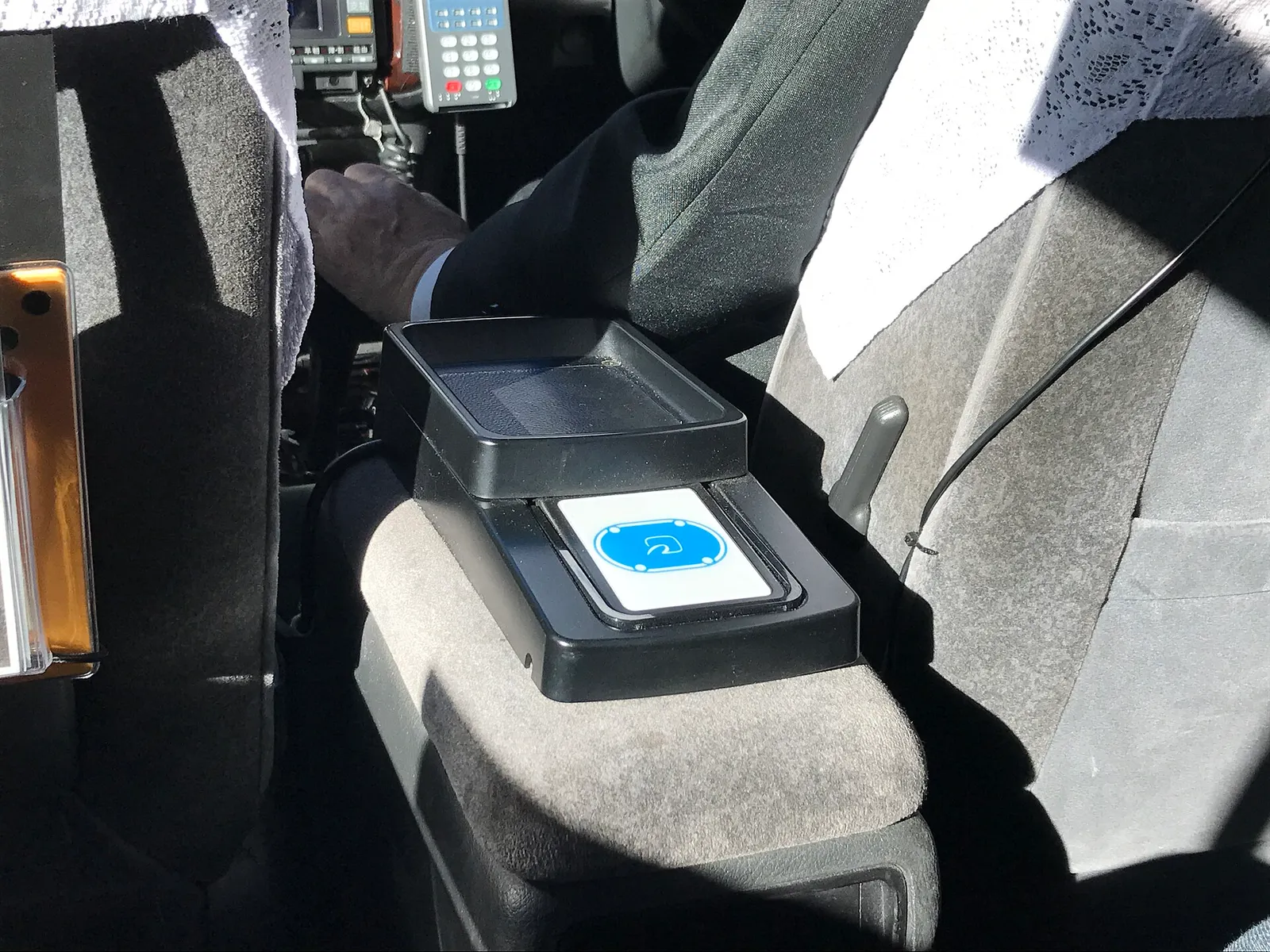
Some local buses and taxis, particularly outside big cities. Taxis in Tokyo and Osaka almost all take cards; a taxi in a small town may not.
Coin lockers, though newer banks of lockers increasingly accept IC cards.
Older ryokan and family-run guesthouses, some of which still settle the bill in cash on departure.
The pattern is size and age rather than region. A new business in a rural town will take a card; a fifty-year-old business in central Tokyo may not.
Getting yen: which ATMs actually work
Not every ATM in Japan accepts foreign cards, including some that display familiar network logos. Two networks are dependable.
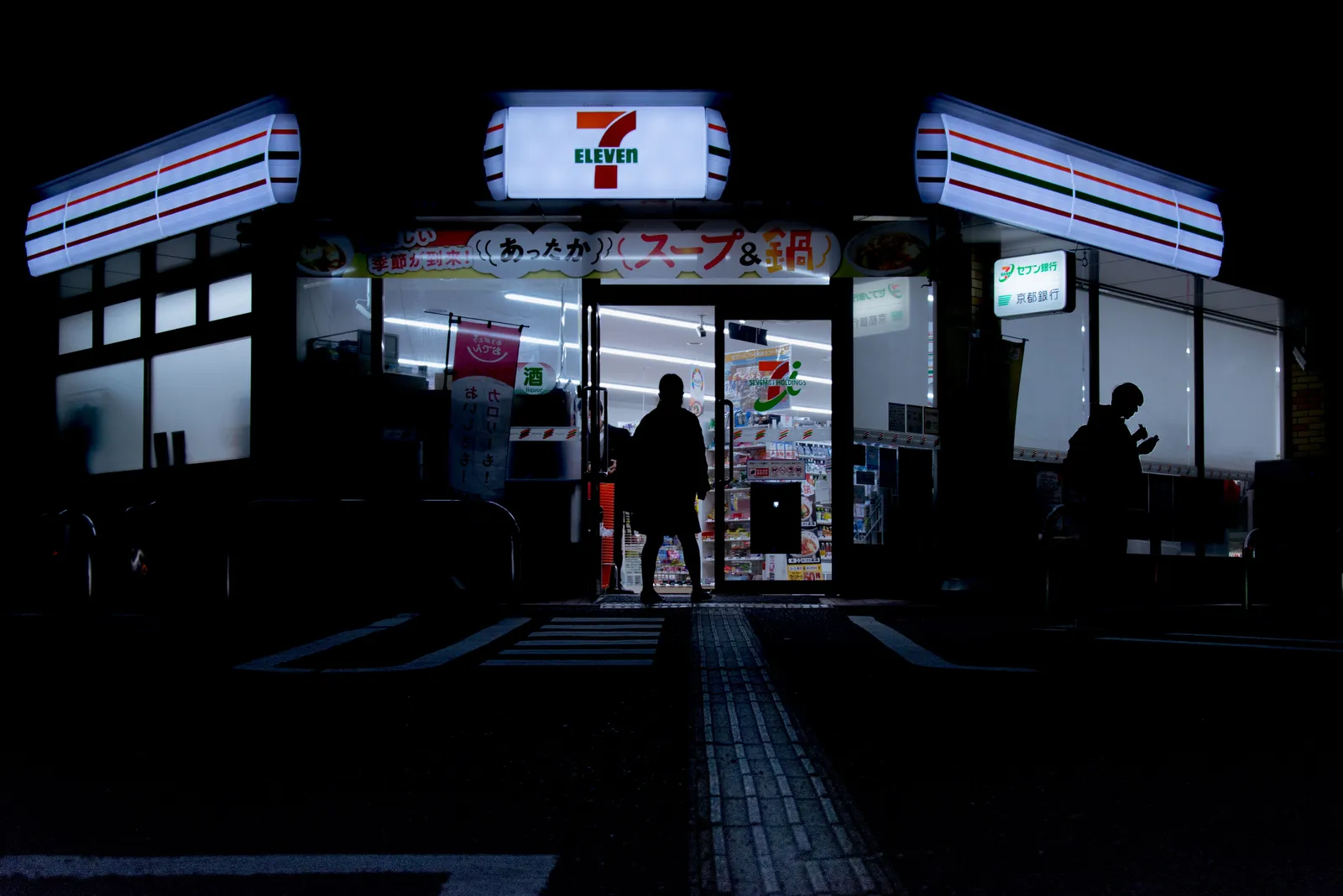
Seven Bank, the machines inside 7-Eleven stores, is the default answer. They are everywhere, open around the clock, have an English interface and accept the major international card networks. Japan Post Bank ATMs, in post offices and Japan Post branches, are the other reliable option, though post office opening hours limit access to some of them.
ATMs inside the other convenience store chains frequently work as well, and are worth trying if a 7-Eleven is not nearby. Standalone bank ATMs on the street are the ones most likely to reject a foreign card outright, and the failure is silent and unhelpful when it happens.
Two habits save money. First, always decline dynamic currency conversion, the screen that offers to charge you in your home currency: let your own bank do the conversion instead. Second, check your bank’s foreign withdrawal fee before you leave, because it determines whether you should draw larger amounts less often or the reverse. Withdrawal fees on the Japanese side vary by machine and by time of day, so treat any figure you read as indicative and check the on-screen fee before confirming.
The IC card is the real answer
The single most useful payment tool in Japan is not a credit card, it is a transit IC card. Suica, Pasmo, Icoca and their regional siblings started as train tickets and became small-value electronic wallets accepted in convenience stores, vending machines, many coin lockers, chain cafes and a surprising number of small shops.
Because it works by tapping a card or phone and needs no PIN or signature, it slides into exactly the low-value everyday transactions where fumbling for a credit card is slow and cash is annoying. The details, including which cards short-term visitors can currently buy and how the phone versions work, are covered in the IC card guide, and they have changed more than once in recent years, so check current availability before assuming you can pick one up at the airport.
Loading a physical card is generally done with cash at a station machine, which is a small argument for keeping notes on you even if you barely spend them directly.
Get connected before you need to find an ATMA data eSIM activated before landing means maps, translation and banking apps work from the moment you clear customsHow much cash to actually carry
Think in terms of a day of cover rather than a daily budget. What you need in notes is enough to handle the small cash-only situations you might hit in a day: a counter lunch, a couple of temple admissions, a locker, a bus, a market snack. Everything larger, meaning hotels, shinkansen tickets, department stores and dinner at a proper restaurant, goes on a card.
In practice most travellers draw a moderate sum on arrival, find it lasts several days, and top up at a convenience store rather than carrying a fat wallet. Japan is a country where carrying cash is unusually safe, so this is about convenience rather than risk.
A few specifics. Keep some coins, because vending machines, lockers and offering boxes eat them and a 500 yen coin is real money. Keep at least one 10,000 yen note in reserve for a bill that turns out to be cash-only. And remember that many small restaurants pay at a counter register rather than at the table, so the moment you discover a place is cash-only is at the end of the meal, not the start. For what any of this adds up to across a trip, the cost breakdown is the place to look.
The first hour after you land
Airport arrivals halls have exchange counters, and they are convenient rather than good value. Unless you want a small float in hand before you leave the terminal, the better sequence is to draw yen from an ATM, either in the airport itself or at the first convenience store you pass.
Do the connectivity step first if you can, because almost everything else, including finding an ATM and checking a bank app, assumes a working data connection. Then draw a moderate sum rather than a large one: you will pass another machine within a day, wherever you are going.
If you plan to use a transit IC card, that is the other arrival task, since loading a physical one is usually a cash transaction at a station machine. Doing both in the first hour means the rest of the trip runs on taps rather than on hunting for a bank.
Habits worth adopting on day one
Use the tray. Payment at a Japanese counter goes on the small tray beside the register rather than into the cashier’s hand, and change comes back the same way. It is a tiny thing that marks you out immediately.
Do not tip. It is not expected anywhere and it causes confusion rather than pleasure. Service is included in the culture rather than in a percentage.
Handle notes with a bit of care. Money is not crumpled into a pocket here, and a slim wallet with a coin section makes the whole ritual smoother.
Carry a card and a backup card. Card acceptance is broad but issuer-side blocks on foreign transactions still happen, and a second card from a different network is worth having buried in your bag.
None of this is difficult. It just requires abandoning both of the myths at once: Japan is not a cash-only relic, and it is not yet a country where you can leave your wallet in the hotel.