Japan is one of the easiest countries in the world to travel through, and one of the easiest to get quietly wrong. Nothing here is designed to trip you up. The mistakes that visitors make are small, they rarely draw attention, and the country is too polite to correct you on the spot, so the only sign that something went sideways is a slightly worse day than the one you planned. None of the following requires serious preparation, and most of it takes less than a minute to fix once you know it is there.
Cash, cards and the ATM everyone tries first
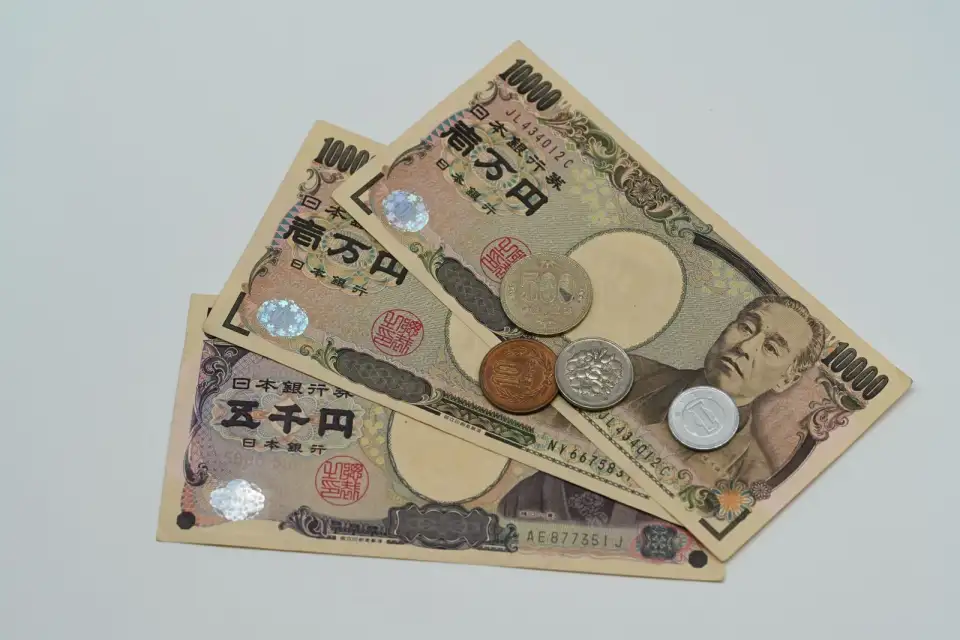
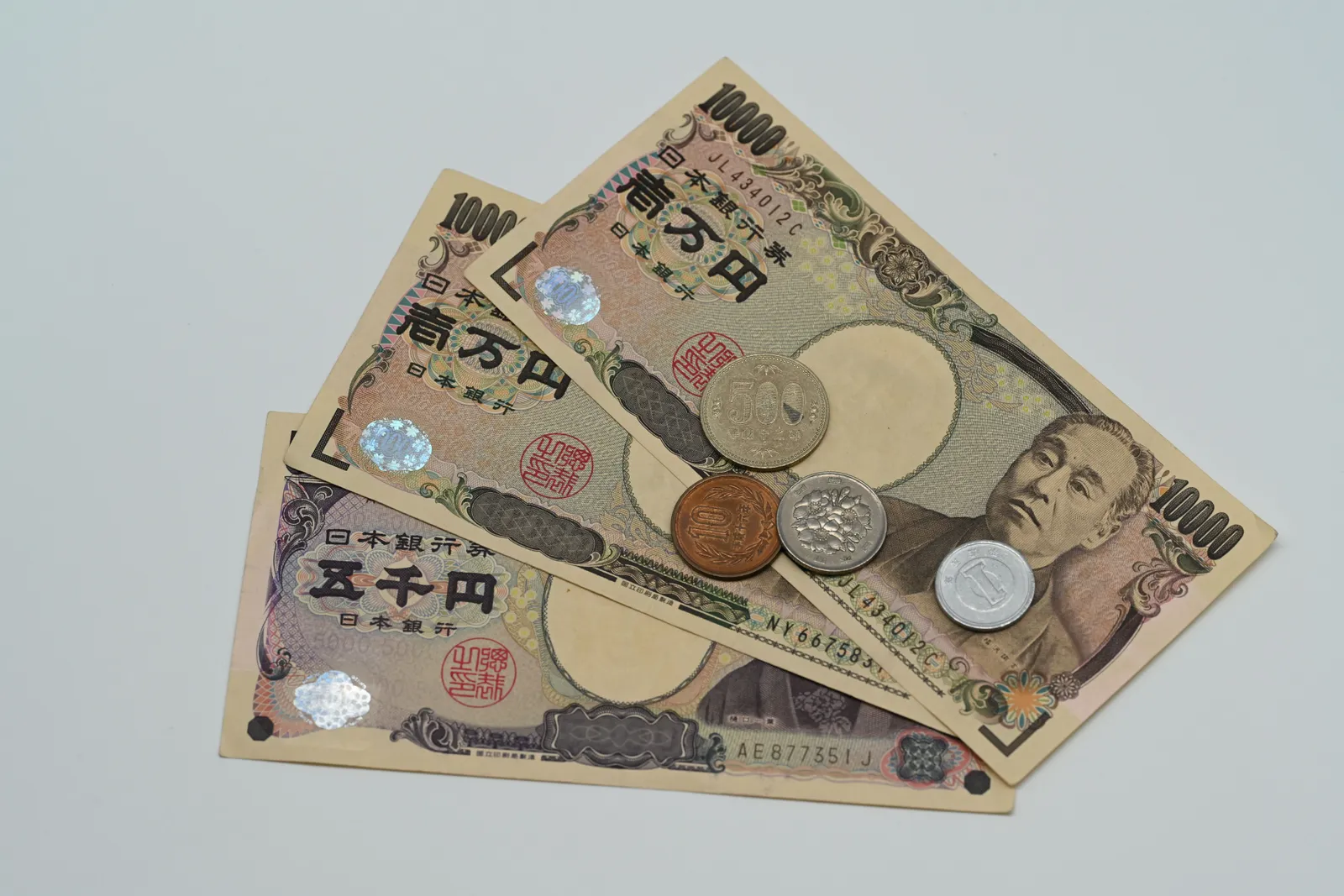
Japan runs on cards for big purchases and cash for almost everything else. Small restaurants, market stalls, temple donation boxes and neighbourhood shops often will not take a card at all, and that is exactly where you want to be eating. Carry a few thousand yen in coins and notes for each day out, even if you end up not touching it.
The other habit worth breaking early is trying a regular bank ATM. Many of them simply reject foreign cards without much explanation, which is a frustrating way to start a morning. Convenience store ATMs are the reliable option: they are everywhere, they run around the clock and they are built to accept international cards. Post office counters also accept foreign cards, but keep to shorter opening hours, so they are not a fallback for the middle of the night. Our full guide to paying for things in Japan covers cards, coins and what to do with the change that piles up fast.
The rail pass mistake that costs the most
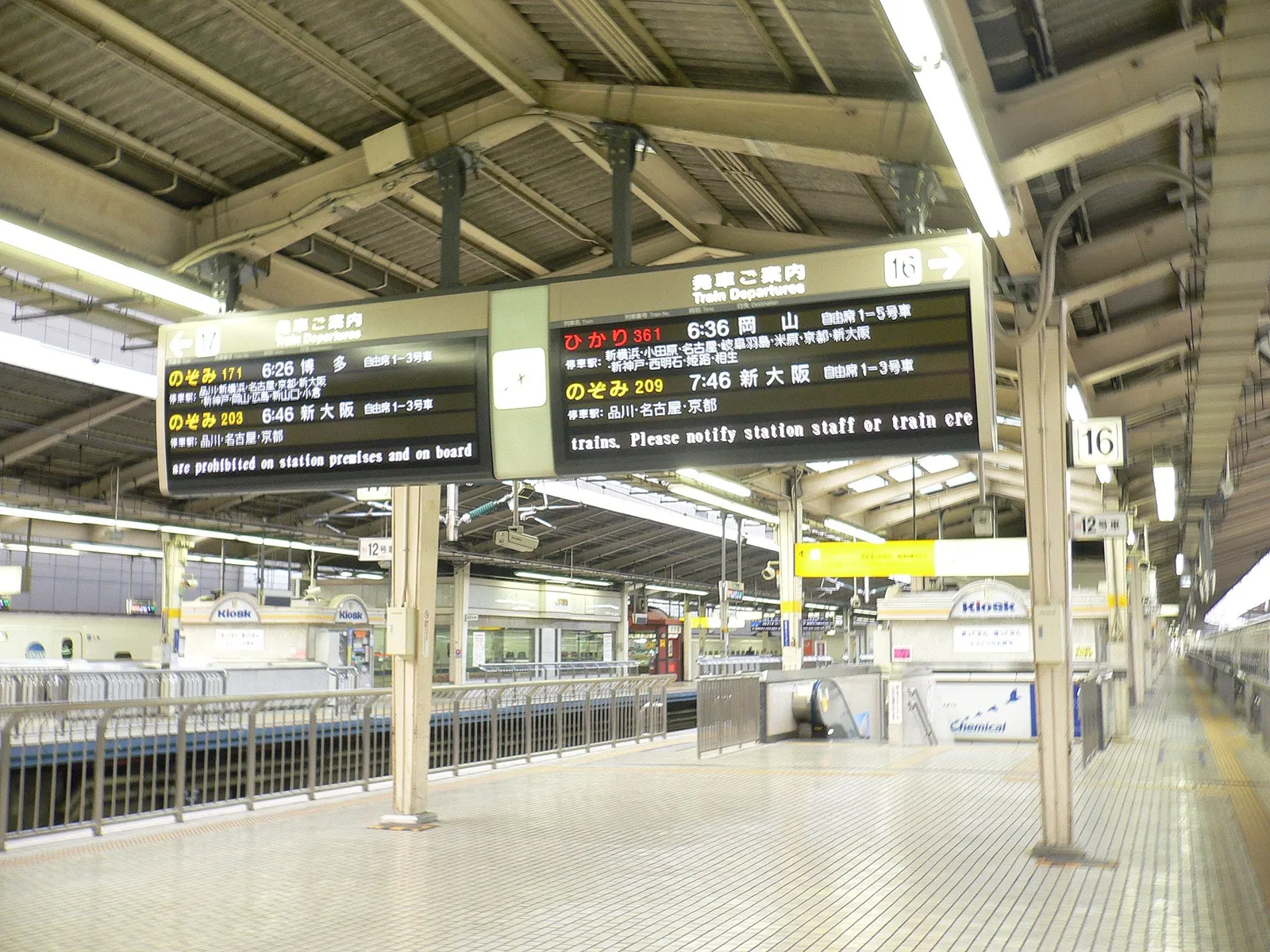
The single most expensive mistake in an average trip is buying the national rail pass on autopilot. It pays off for an itinerary that strings together several long shinkansen journeys inside one tight week, and it is close to a loss for anyone who bases themselves in one city and takes day trips from there. Work through the actual sums in our guide to the rail pass before you buy rather than after, because refunds are not generous once the pass is issued.
A related trap is assuming a prepaid IC card covers everything. It handles the metro, buses, convenience stores and vending machines without a second thought, but a reserved seat on the shinkansen needs a separate ticket bought on top. Travellers who turn up at the platform with only an IC card usually find this out at exactly the wrong moment.
Trains, escalators and the rules nobody says out loud
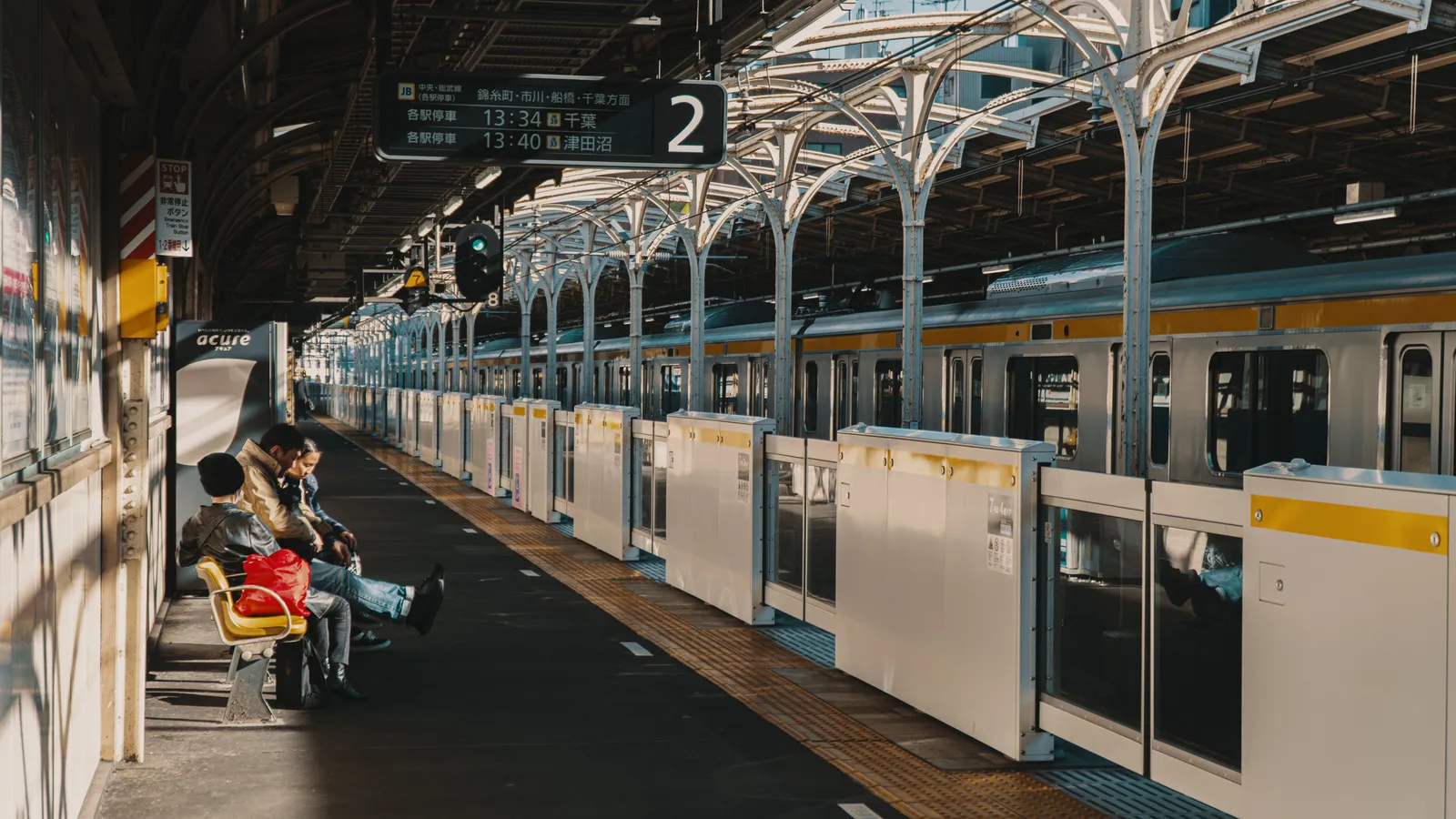
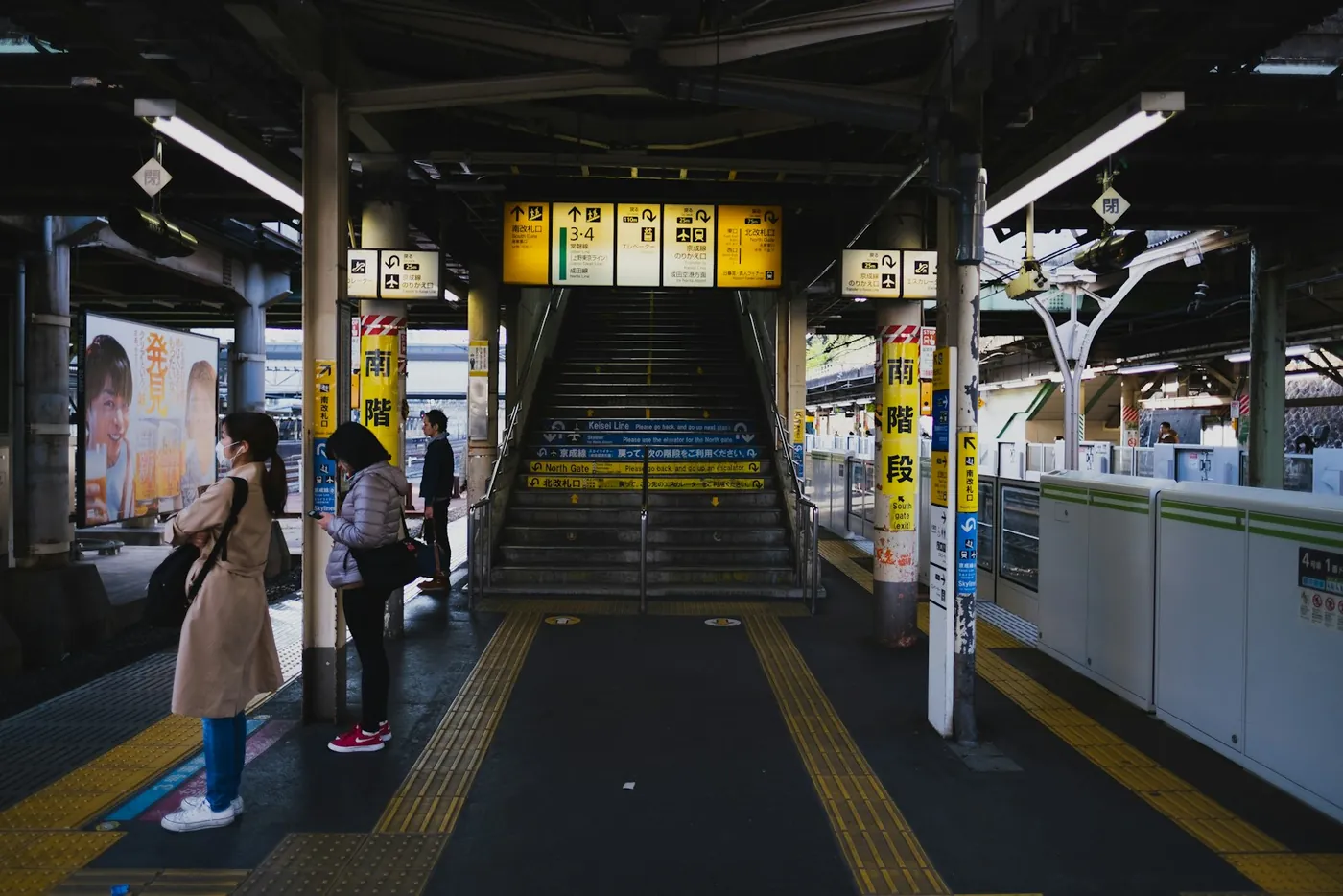
Public transport has its own quiet code, and breaking it is the most common way to draw attention without meaning to. On escalators, everyone stands to one side and leaves the other clear for people in a hurry. Tokyo keeps to the left, the Osaka region does the opposite, and the fix is simply to glance at whoever is already standing there before you join them.
Phone calls on trains are close to the one thing that genuinely bothers people, so save them for the platform. Even conversation between two seated passengers tends to stay quiet. Eating while walking is uncommon too: food from a street stall is meant to be eaten standing right where you bought it, with the wrapper handed back to the stall rather than carried off. Public bins are rare on purpose, so a small bag for your own rubbish saves a surprising amount of hassle.
Shoes, chopsticks and small habits that read as careless
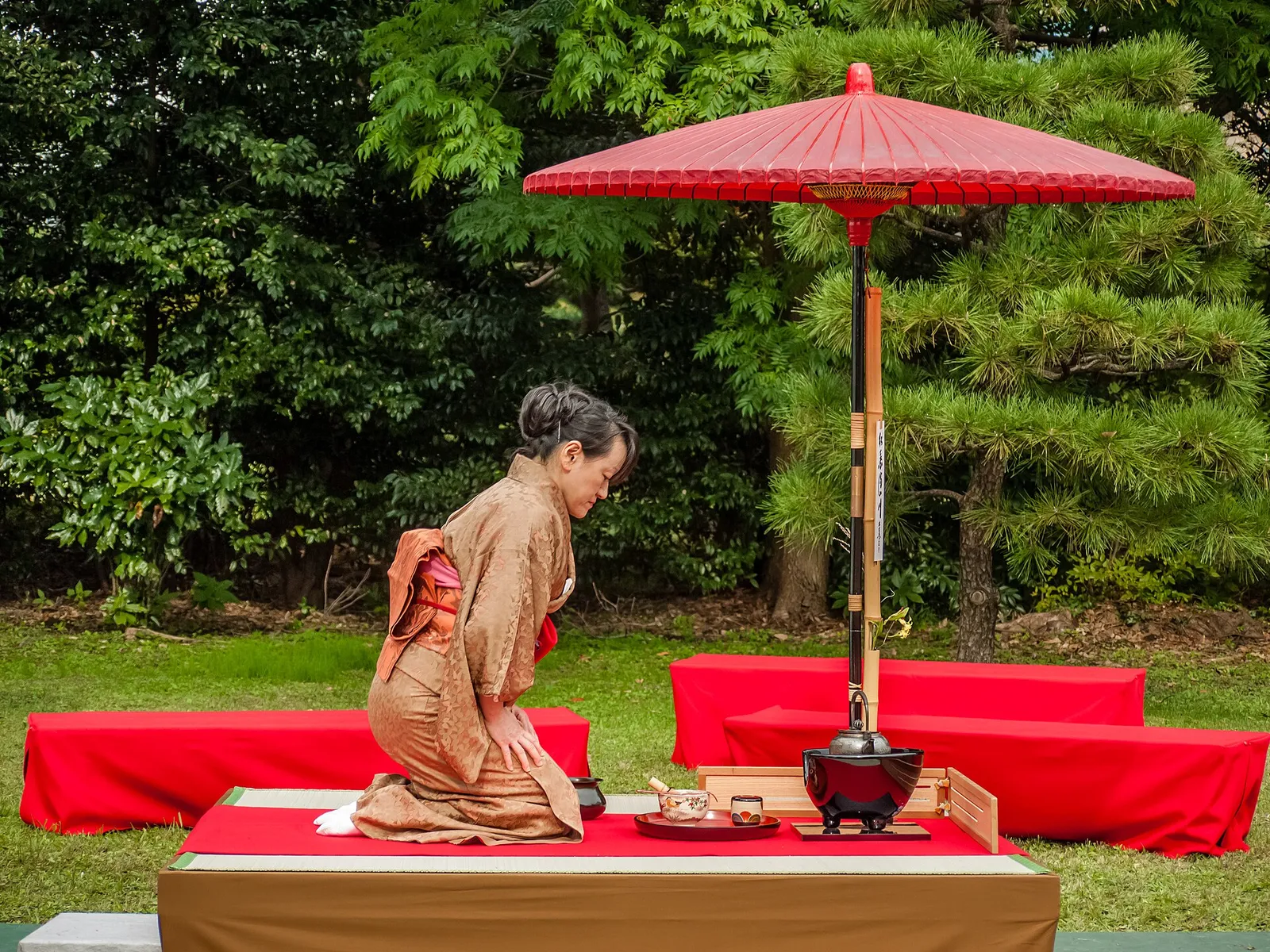
A handful of habits from home read differently in Japan, and none of them are hard to unlearn. Shoes come off in ryokan, in private homes and in some traditional restaurants, and the cue is nearly always a small step up at the entrance or a row of shoes already waiting there. Chopsticks never stand upright in a bowl of rice, because that gesture belongs at a funeral. Rest them flat on the little holder beside your plate, or across the top of the bowl, instead.
Onsen tattoos, and the myth that they lock you out completely
A surprising number of visitors write off hot spring bathing entirely because they have a tattoo, and that is more caution than the situation calls for. Some onsen allow tattoos openly, cover-up stickers work for smaller ones, and private baths can be booked by the hour at many ryokan and public bathhouses, giving you the whole room to yourself. What genuinely causes a problem is trying to sneak in under a hidden bandage. Staff who spot it will ask you to leave, and that is a far more awkward moment than simply checking policy in advance.
Cover the mistake that actually costs real moneyTravel insurance covers the hospital bill and cancelled train that no packing list can preventTrying to see too many cities in too little time
The itinerary mistake outranks most of the others combined. Every move between bases eats half a day in practice, between checkout, the walk to the station with luggage, the journey itself and a hotel that will not check you in before mid-afternoon, even when the train ride itself only takes two hours. Three bases in two weeks is a comfortable pace, four starts to feel rushed, and five turns the trip into a series of transfers seen mostly through a train window. Fewer cities with day trips out of each one nearly always beats a longer chain of one-night stops.
Golden Week, timed tickets and booking too late
Two stretches of the calendar catch visitors out every year: Golden Week in late spring and the Obon holidays in mid-summer, when a huge share of the country travels domestically at the same time. Hotels and trains sell out and prices climb, and turning up without bookings during either window means feeling it every single day. That does not mean avoiding those dates, it means locking in accommodation and reserved seats well ahead and adjusting your expectations for quiet at the big sights.
The same logic applies to anything that needs a timed ticket. A handful of attractions in Japan cannot simply be walked into: entry is sold for a specific date and hour, and it can sell out weeks in advance. If there is one thing on your list you genuinely cannot miss, check how its ticketing works before you build a day of plans around it. Our guide to Japanese etiquette rounds up the table manners, temple customs and bathing rules that come up most often once you are actually there, so you can read it once before you fly and stop thinking about it for the rest of the trip.