Kyoto is not a late city, and that is the first thing to understand about it. The temples that fill your daylight hours close in the afternoon, the coach parties thin out, and what remains is a compact grid of lanes beside the Kamo river where the city does its drinking. It is small, it is quiet by the standards of anywhere else in Japan, and it rewards a slow evening far more than an ambitious one. Our Kyoto guide covers how the city fits together by day; this is what happens once the gates shut.
The geography: four names worth knowing
Almost everything you will want after dark sits in a rectangle a few minutes’ walk across, on the west bank of the Kamo river around Shijo.
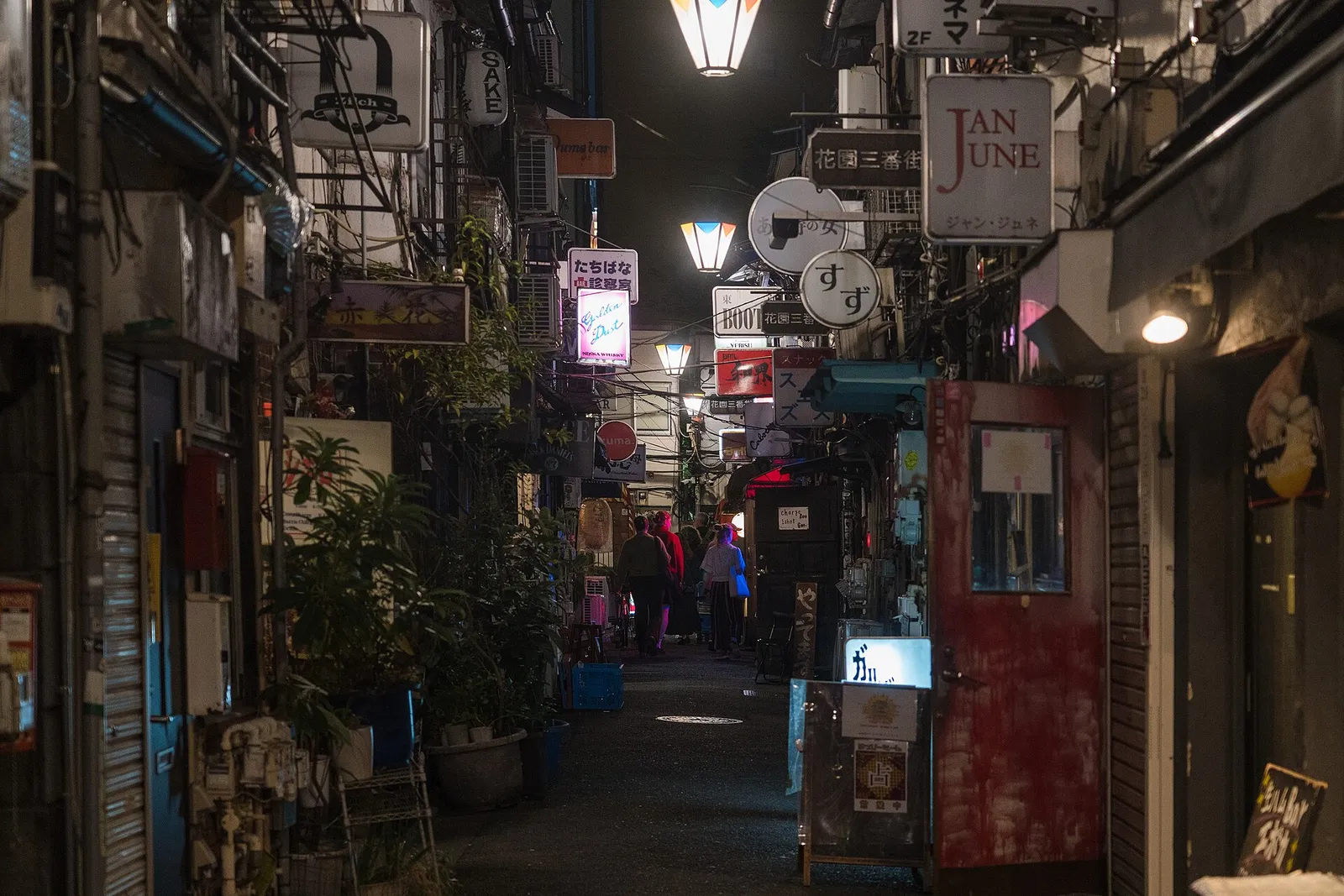
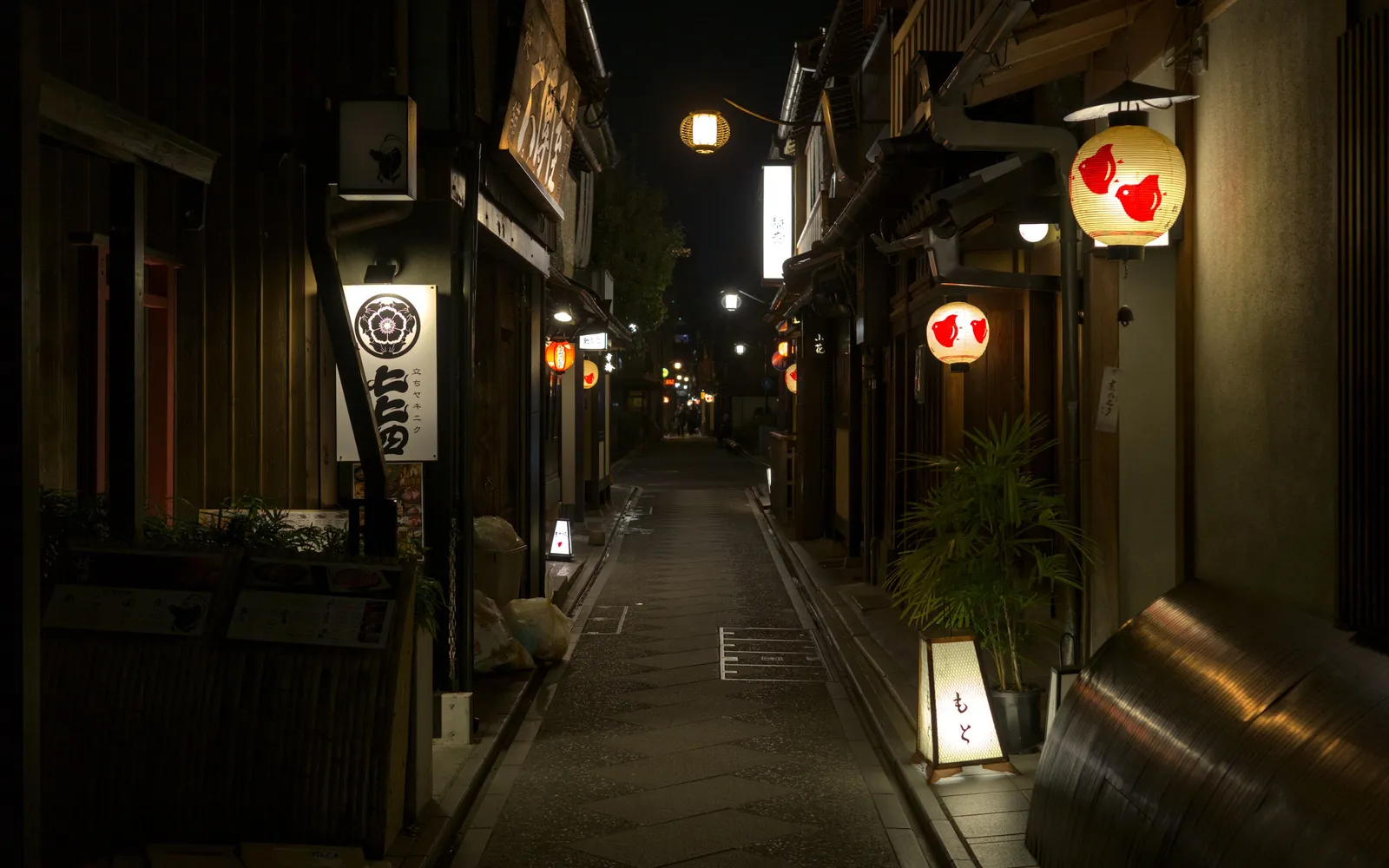
Pontocho is the famous one, a single lane barely wide enough for two people to pass, running north from Shijo with wooden facades, lanterns and doorways on both sides. Kiyamachi runs parallel one street west, follows a small canal, and is louder, younger and generally cheaper. Kawaramachi is the main commercial artery holding the department stores, chain izakaya and the multi-storey buildings where a lot of the actual bars live, several floors up. Gion, across the river to the east, is a preserved district of teahouses and restaurants and is best treated as an evening walk rather than a drinking destination, for reasons covered below.
The useful thing about this arrangement is that you can wander between all four in an evening without a train, and change register completely, from a canal-side beer garden to an eight-seat whisky counter, in under five minutes.
Pontocho, and how to read it
Pontocho works best if you accept that you will not be able to judge it from the alley. Doors are small, signage is often in Japanese only, and the price range between two adjacent buildings can be enormous. Some venues are river-terrace restaurants aimed squarely at visitors; others are family-run places that have been serving the same twenty regulars for decades.
Two practical habits make the difference. First, look for a posted menu with prices near the door, which most reputable places have, and take its absence as a prompt to ask rather than a red flag. Second, ask about a seat charge before sitting. Many Japanese bars and izakaya add a small per-person cover, often arriving as a small dish you did not order, and it is common in this area. It is a normal part of the bill rather than a tourist trap, but it is better known about in advance. A fair number of older venues here are also still cash only, so carry some.
In summer, the other Pontocho tradition is the kawayuka, wooden platforms that restaurants extend out over the Kamo river from roughly May to September. Prices tend to reflect the view, and reservations are usually needed, but the setting is genuinely specific to this city.
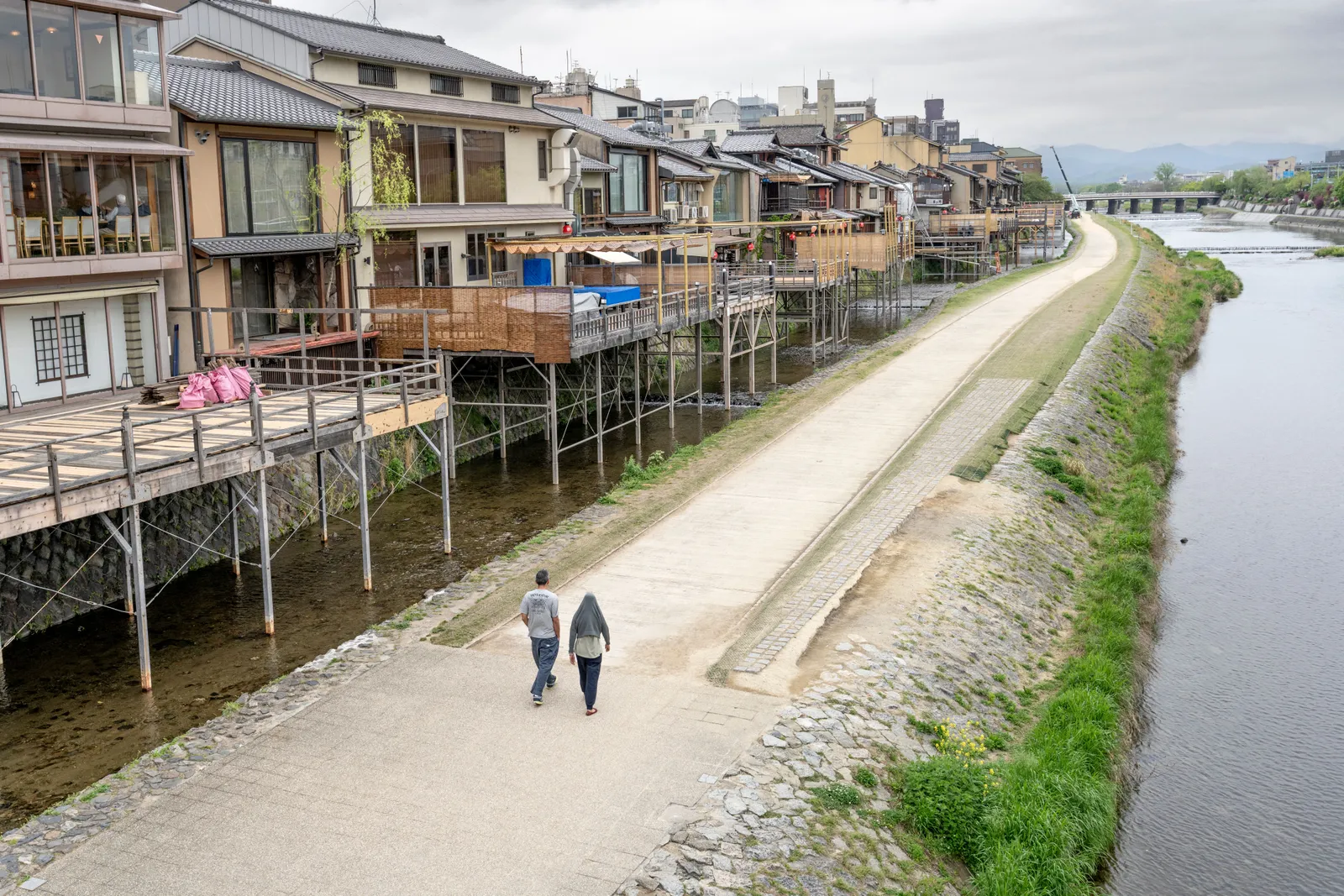
Kiyamachi and the buildings above Kawaramachi
If Pontocho is the postcard, Kiyamachi is where a lot of Kyoto actually drinks. The canal-side stretch north of Shijo is dense with izakaya, standing bars and student-priced places, and it stays busier later than Pontocho does. It is unpretentious and occasionally rowdy at the southern end, and it is the easiest place in the city to walk in somewhere without a plan.
The other layer is vertical. A great many of Kyoto’s best small bars are not on any lane at all but on the third or fifth floor of an ordinary building off Kawaramachi, announced by nothing more than a name plate in the lift lobby. Sake specialists, whisky counters and cocktail bars all hide this way. It feels like a barrier the first time, and it is simply how the city is built: rent at street level goes to shops, so drinking goes upstairs.
Let someone else open the doors on your first nightA small-group evening food and drink walk is the quickest way past the language and signage barrier in PontochoWhat to drink: sake, and why Kyoto is the place for it
Kyoto has an unusual claim here. Fushimi, in the south of the city, is one of Japan’s major brewing districts, thanks to its soft groundwater, and the sake it produces is characteristically rounder and gentler than the sharper styles from further north. That makes the city an excellent place to work out what you actually like.
The practical approach in a sake bar is to ask for a tasting flight, usually three small glasses, and to say roughly what you want rather than naming a grade: dry or sweet, light or full. Staff will steer you, and doing it this way avoids the trap of ordering by label. If sake is not your thing, Kyoto also has a serious craft beer scene and a strong tradition of quiet, technically excellent cocktail bars, most of which are on those upper floors.
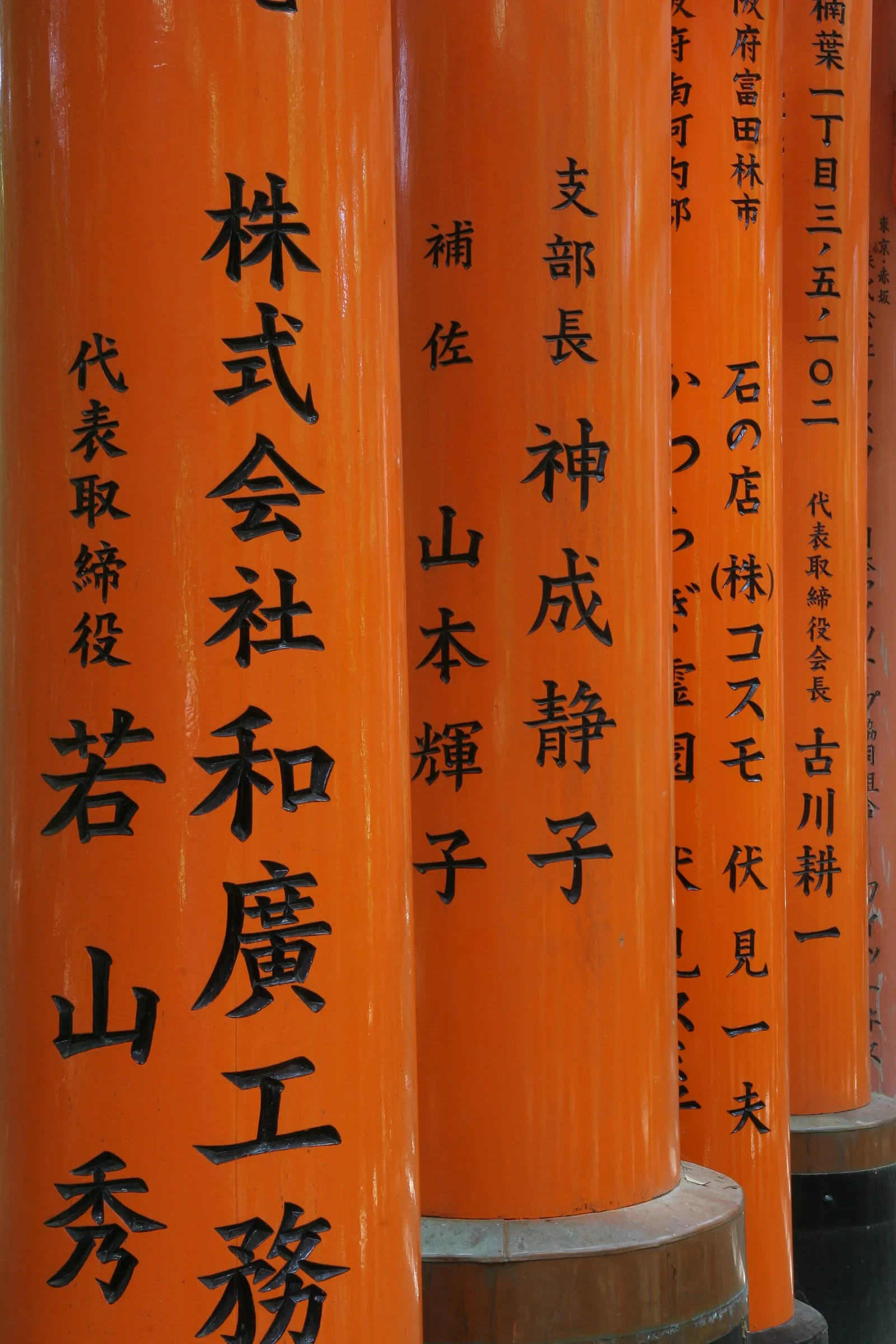
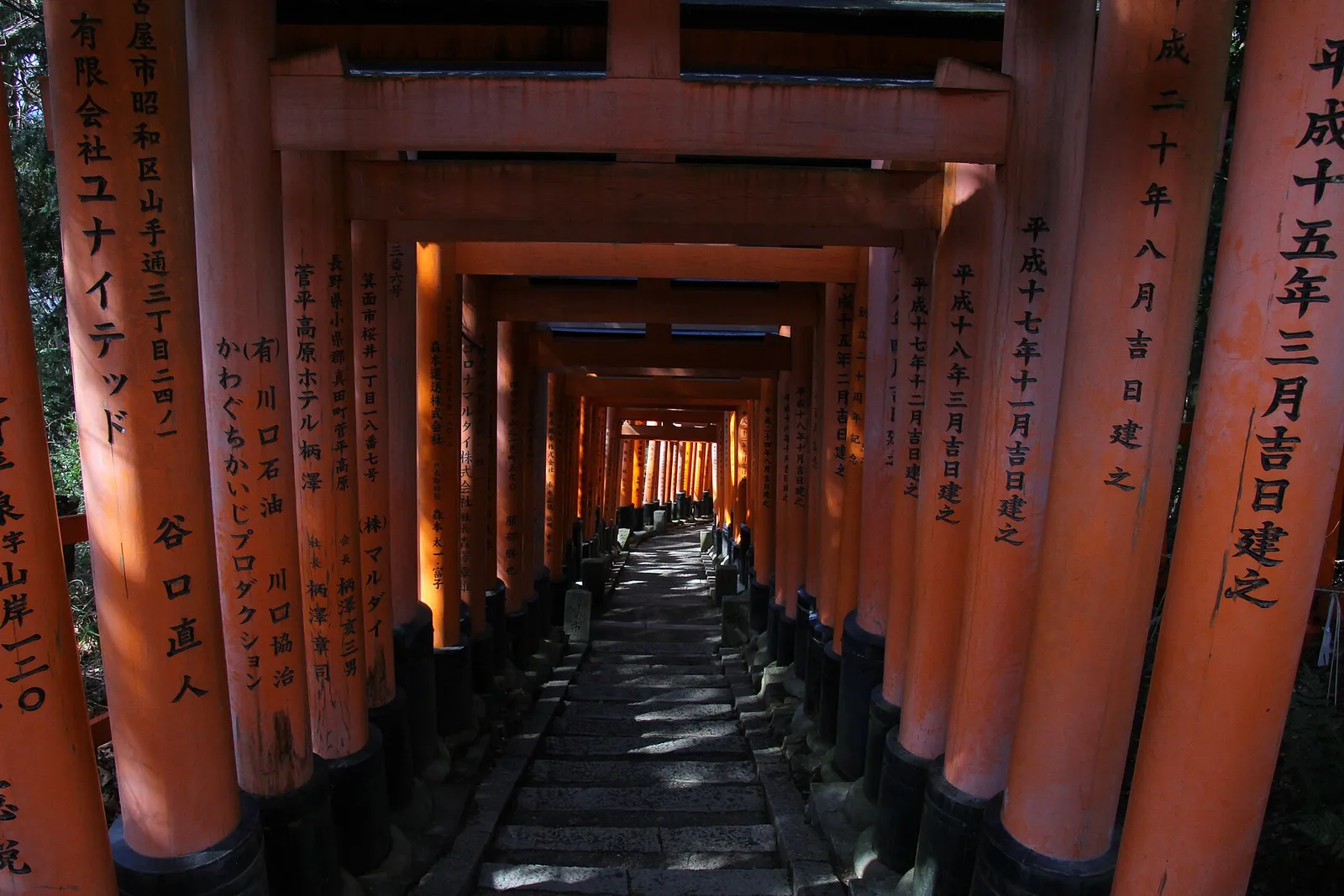
Fushimi is also where the famous shrine gates are, and it makes an easy pairing to spend a late afternoon there before coming back into town, which our Fushimi Inari and Kyoto temples guide covers in detail.
Gion, geiko and the rules that actually matter
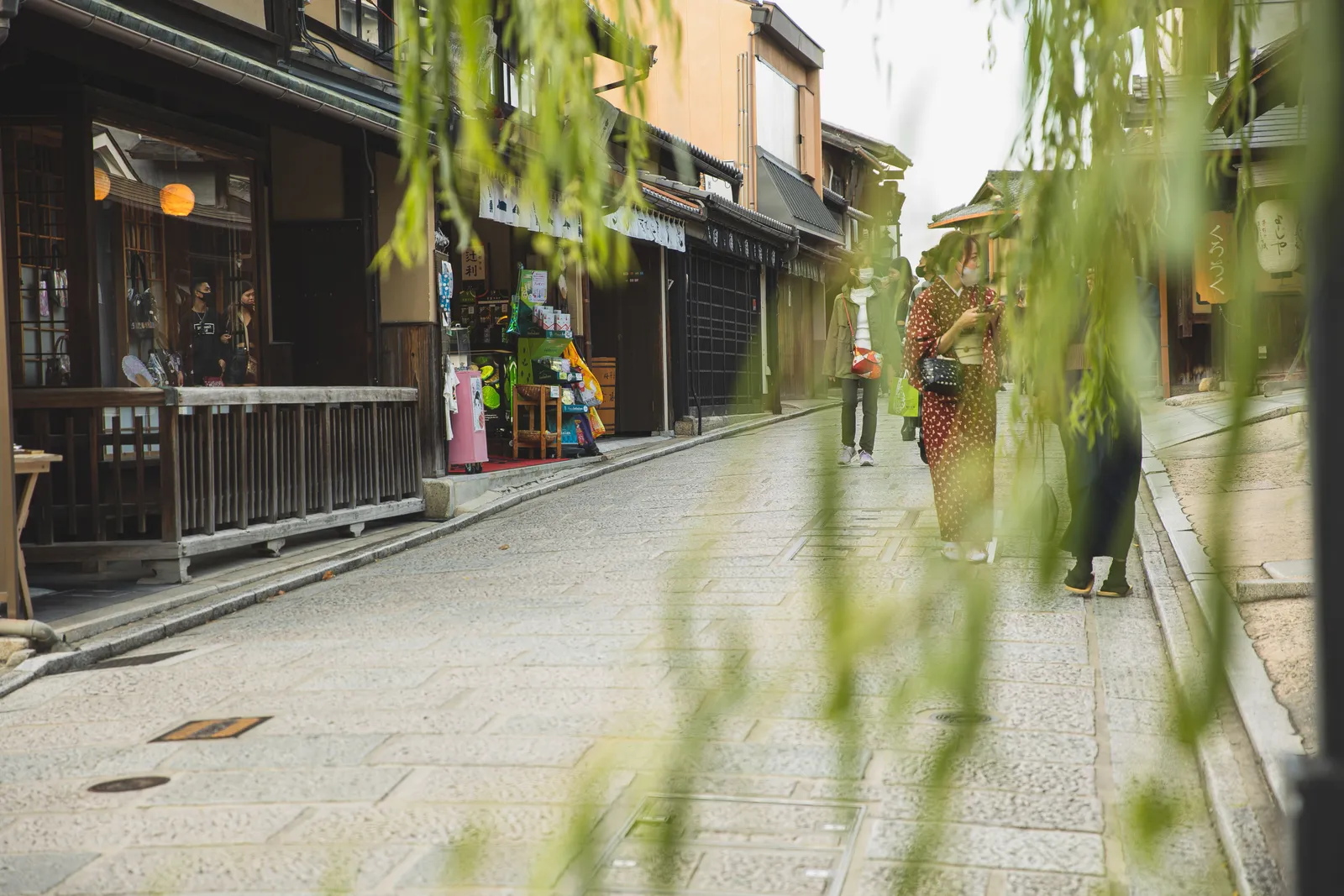
Gion is beautiful in the evening and it is worth walking through. It is not, however, a place to go looking for anyone.
The private alleys off Hanamikoji carry a photography ban, introduced by the local residents’ association and marked with posted signage, along with a publicised penalty for ignoring it. The reason is straightforward: geiko and maiko are working professionals travelling to appointments, and visitors were blocking their way, following them and photographing them without consent. Kyoto City has also restricted access on some private lanes. The public streets, including Hanamikoji itself and the Shirakawa canal, remain open to walk and photograph, and the posted signs are the authority on where the line falls. Confirm current rules with Kyoto City if you want certainty, because they have been tightened more than once.
If you want to see a performance properly, the answer is a ticketed one: the seasonal public dances, or a booked dinner or teahouse experience arranged through a hotel or an operator. That is the version where everyone involved has agreed to be there.
Getting home, and what closes when
This is the single most common way a Kyoto night goes wrong. The subway and the local rail lines generally stop somewhere around midnight, and the exact last departure varies by line, station and direction, so check yours on the night rather than trusting a round number. Taxis are readily found around Kawaramachi and are the standard fallback, though queues form as venues empty.
Kyoto also simply closes earlier than the big cities. Many kitchens stop taking orders well before midnight, and a good number of bars shut not long after. It is a city for one long, unhurried evening in two or three places, not a crawl through ten. If you want the version that runs until dawn, that is what our Tokyo nightlife guide is for, and Osaka is under an hour away by train.
In short:
Start on Kiyamachi for a drink and a look at the canal, eat in Pontocho or on a river terrace if it is summer, and finish upstairs off Kawaramachi in a sake or whisky bar with eight seats in it. Ask about a seat charge, carry cash, walk through Gion without photographing anyone on the private lanes, and check your last train before the evening gets away from you.