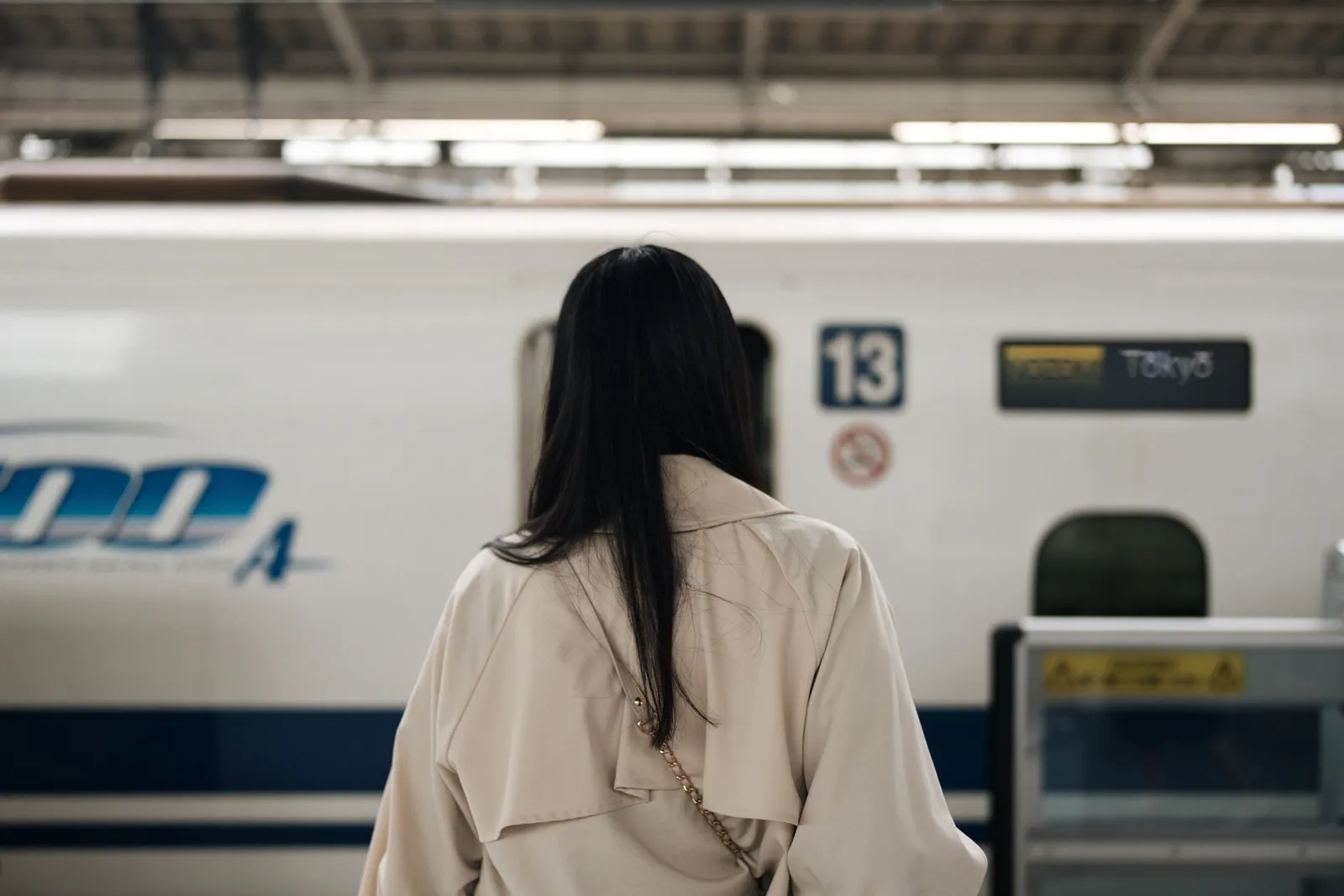
The shinkansen is the easiest long-distance transport in the world to use and it has three rules that catch visitors out, all of which are invisible until you are standing on a platform with the wrong ticket or the wrong suitcase. None of them is complicated. All of them are worth knowing before you buy anything.
Reserved against non-reserved
Every shinkansen has two kinds of car and the difference is not about comfort.
Reserved, or shitei-seki, means a specific seat on a specific train, booked in advance. Non-reserved, or jiyu-seki, means first come first served in the designated cars on any train of that type, with passengers queueing on the platform at marked door positions.
Non-reserved is cheaper and much more flexible, and outside busy periods it is perfectly comfortable. What changes the calculation is the peak: during the major holiday weeks and on Friday evenings the non-reserved cars fill completely and people stand for the entire journey. If you are travelling then, reserve.
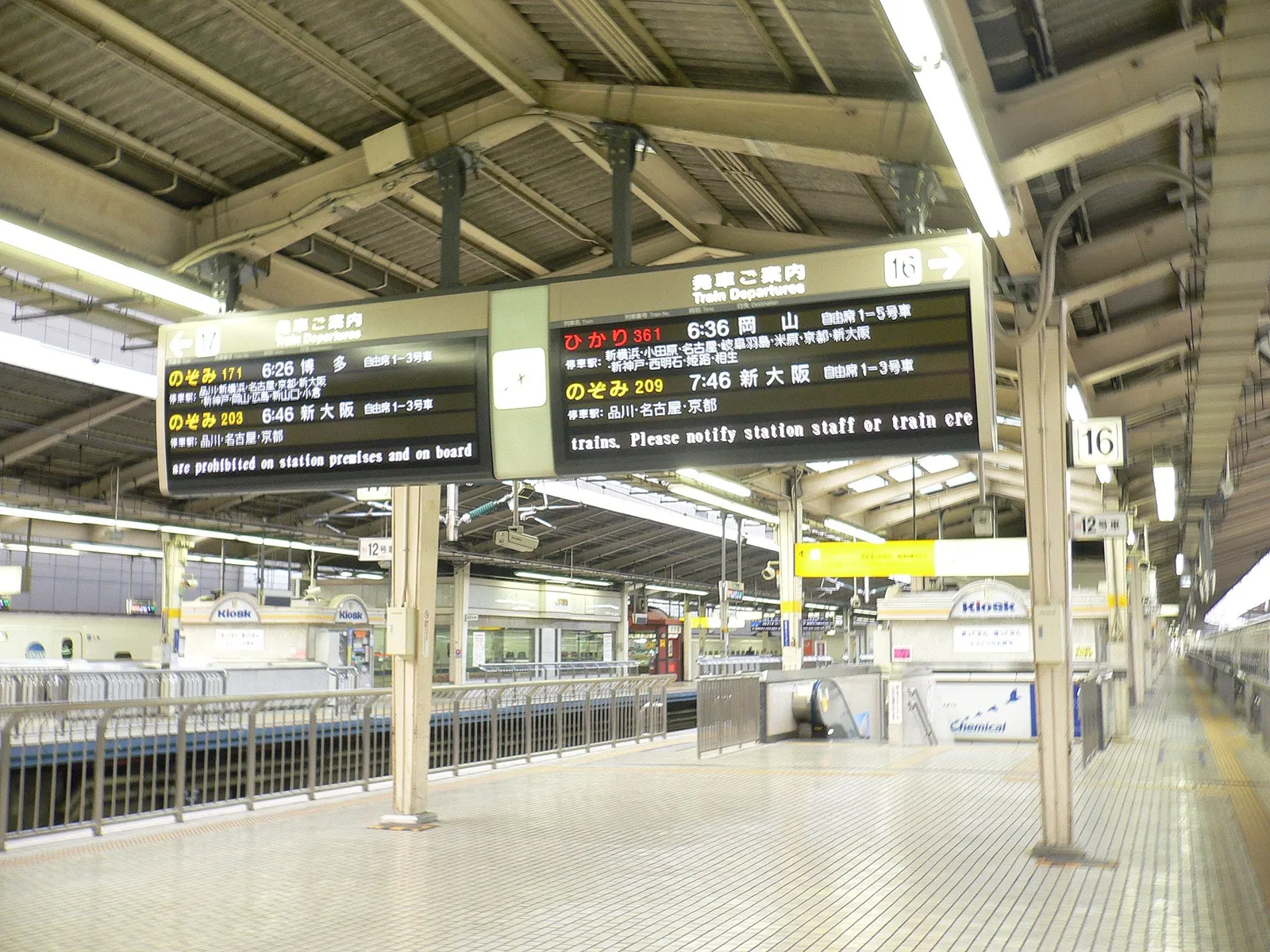
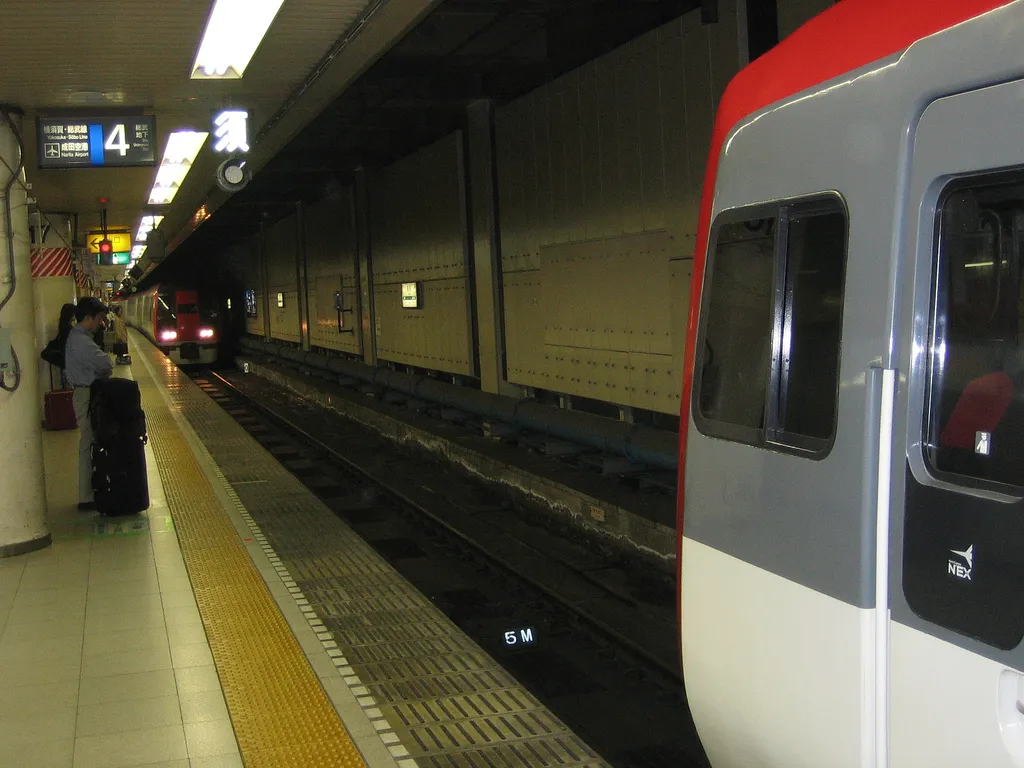
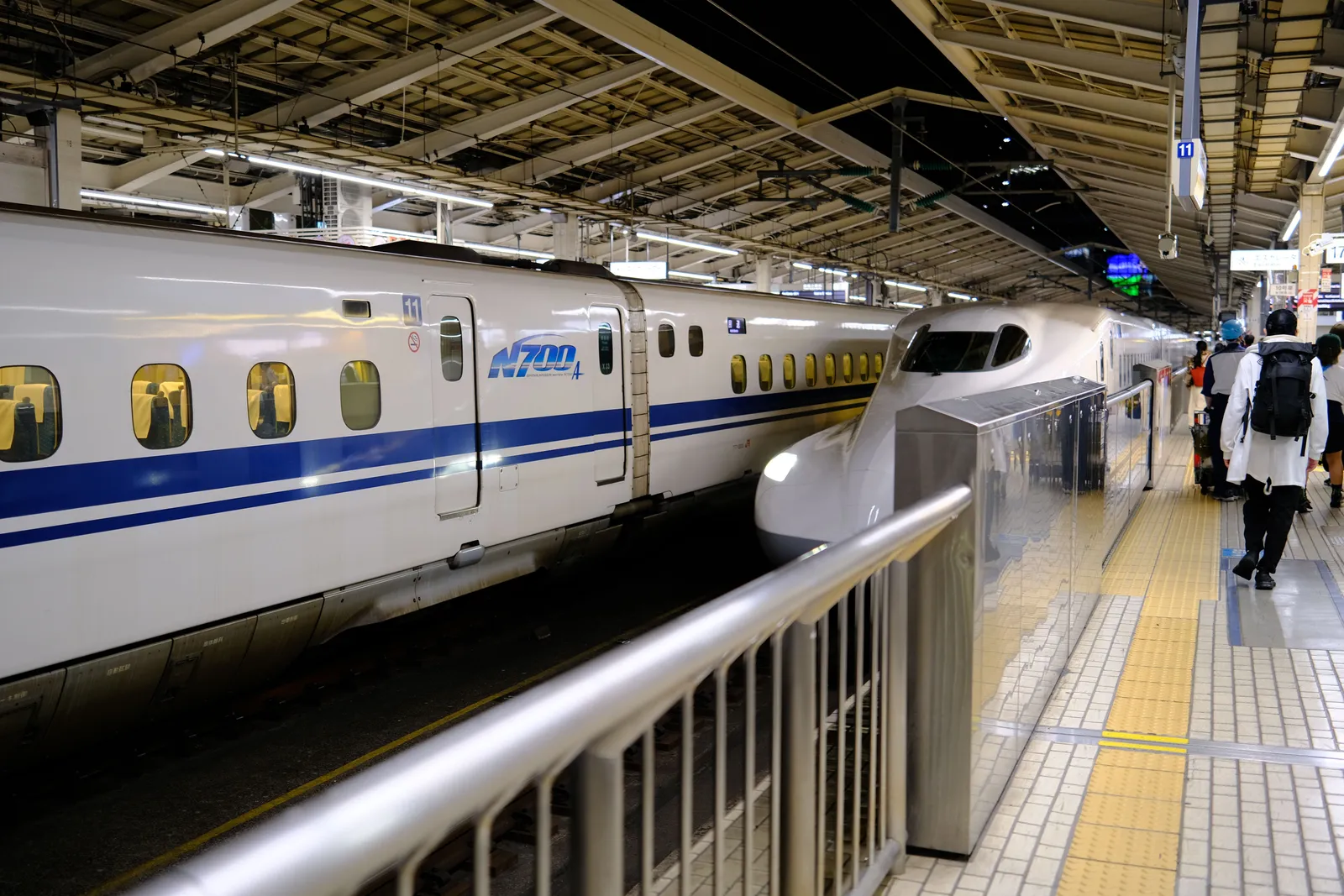
The queue system on the platform is worth understanding for its own sake. Doors stop at painted marks on the platform, queues form behind those marks, and the whole thing works with an orderliness that is genuinely useful once you realise the marks tell you exactly where to stand.
The Nozomi rule
This is the one that costs people money. On the main line running west from Tokyo through Kyoto and Osaka, the fastest services are the Nozomi and, further west, the Mizuho. They were historically excluded from the national rail pass altogether, and the arrangement now allows pass holders to ride them on payment of a supplement rather than for free.
The Hikari and Kodama run the same track and the same route, are fully covered by the pass, and take somewhat longer because they stop more often. For most journeys the additional time is manageable and the saving is real.
Two practical consequences. If you are travelling on a pass, check what the current supplement is before deciding, since the terms have changed and may change again. And if you are not on a pass, ignore all of this and take the fastest train, because paying separately there is no reason not to. Our guide to whether the rail pass is worth it runs through the arithmetic, which changed substantially after the last price rise.
The luggage rule nobody expects
On the main lines running west from Tokyo, a suitcase whose height, width and depth add up to more than 160cm requires an advance reservation for a seat in a designated oversized baggage area. Turning up with such a bag and no reservation means a penalty charge and staff redirecting you. Above roughly 250cm combined the bag is not carried at all. Both figures are published by the operators and the trial arrangements around them have been adjusted more than once, so confirm on the railway’s own baggage page before you travel rather than trusting a number in an article.
To check whether it applies to you, measure the case rather than guessing: a typical large check-in suitcase sits close to the line, and a soft bag packed full can cross it when an identical empty one does not.
The reservation itself is free when made in advance. The problem is purely that almost nobody knows about it, and a large check-in suitcase is exactly what most visitors are travelling with.
There are two ways round it. The first is simply to make the reservation when you book. The second, and the one most experienced travellers in Japan use, is to not take the suitcase on the train at all and send it ahead by the country’s luggage forwarding network instead, which is cheap, next-day and available from hotel front desks. It solves the shinkansen problem and several others at the same time.
Send the bag, take the trainForwarding a suitcase hotel to hotel costs less than most people expect and removes the luggage question entirelyWhat to eat
Eating on the shinkansen is not merely permitted, it is part of the experience. Ekiben, the station lunchbox, is a genuine regional food category, with stations selling boxes built around whatever the local speciality is, and the seats have fold-down tables for exactly this purpose.
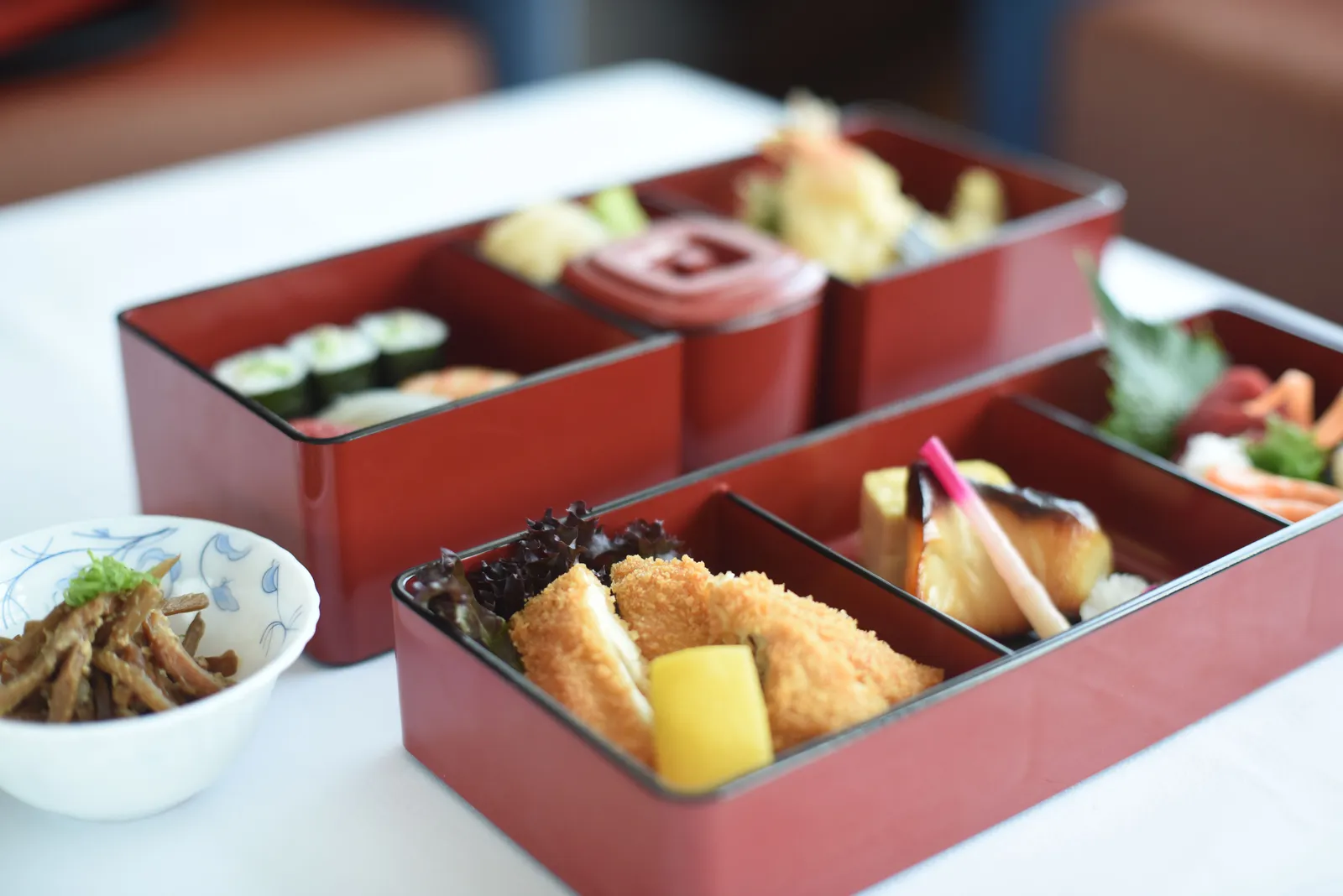
Buy before boarding rather than on board, where the trolley service is limited. Beer is sold and drinking is normal. Our food guide covers the regional specialities that turn up in the boxes.
The contrast with local trains is sharp: on ordinary commuter services, eating is frowned upon. The distinction is long-distance travel against short urban journeys, and once you see it that way the etiquette is obvious rather than mysterious.
Practical timing
Arrive ten to fifteen minutes ahead with a reserved seat. The trains run to the minute, and there is no security queue, so there is nothing to gain from being early. For non-reserved travel in a busy period, twenty to thirty minutes lets you join the platform queue in a useful position.
Large stations are genuinely complicated, so allow more time on your first journey. Payment for local connections at either end is easiest with a transport IC card, covered in our IC card guide, and the wider picture of how the shinkansen fits with buses, local lines and flights is in our guide to getting around Japan.