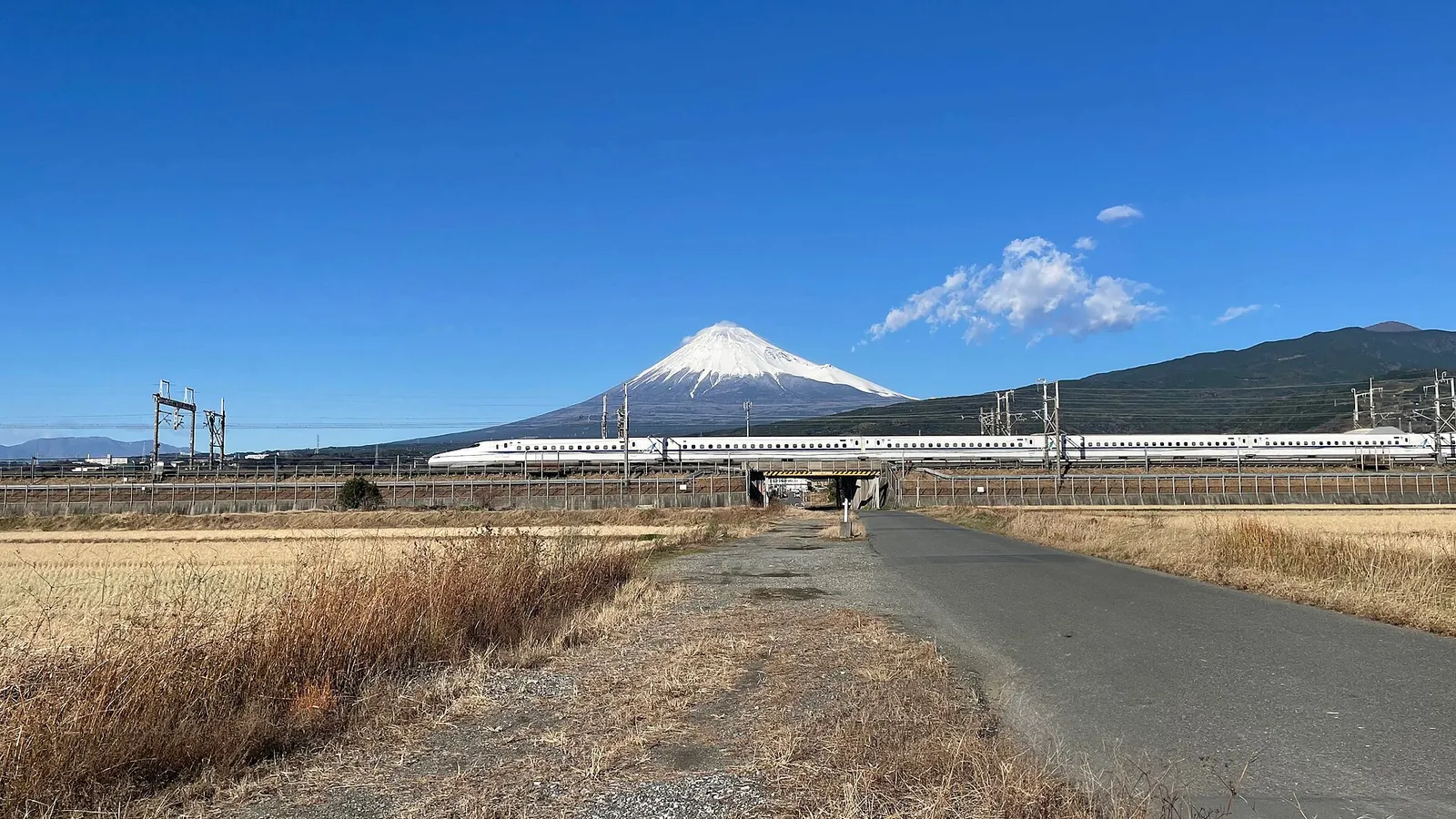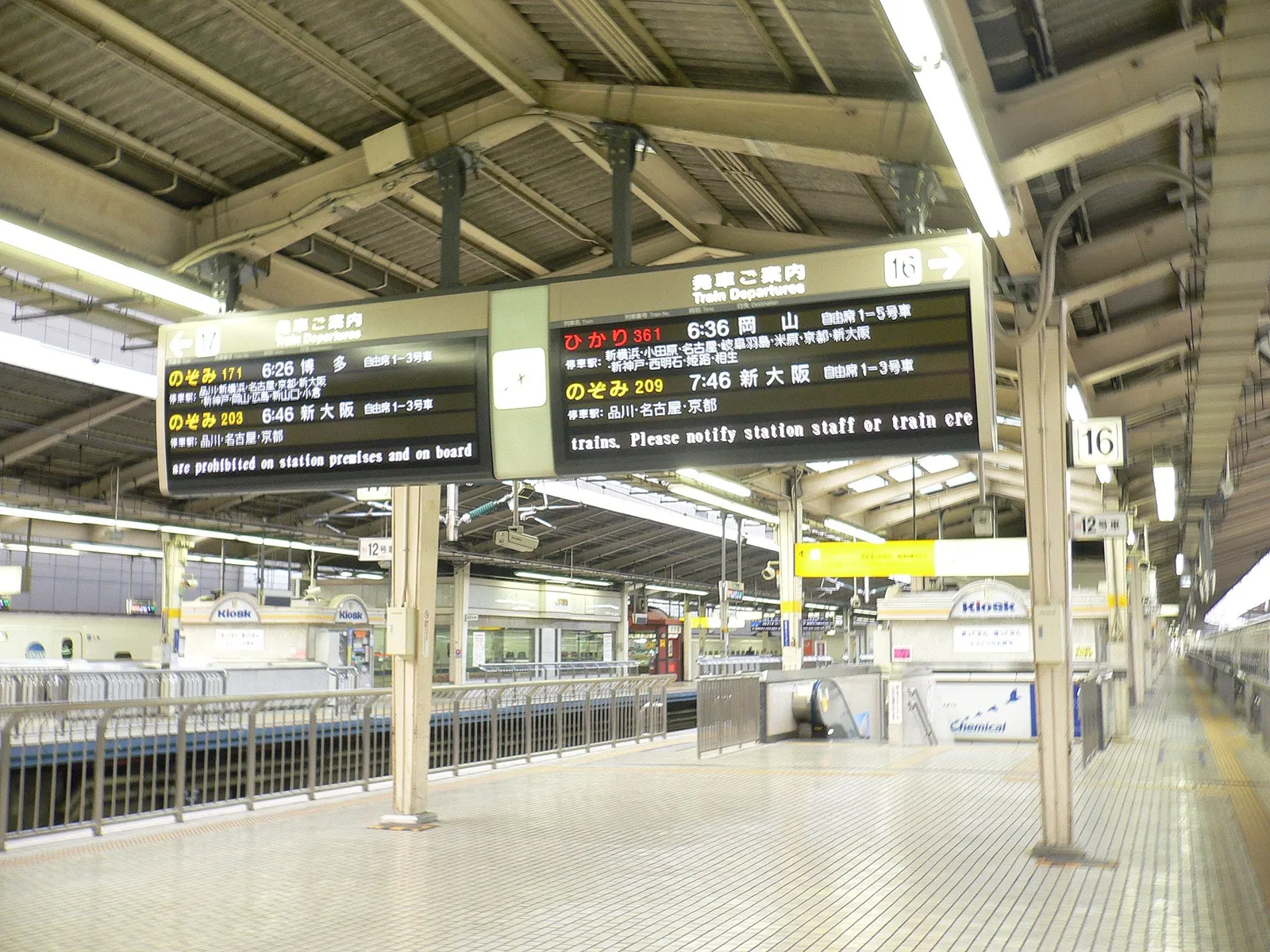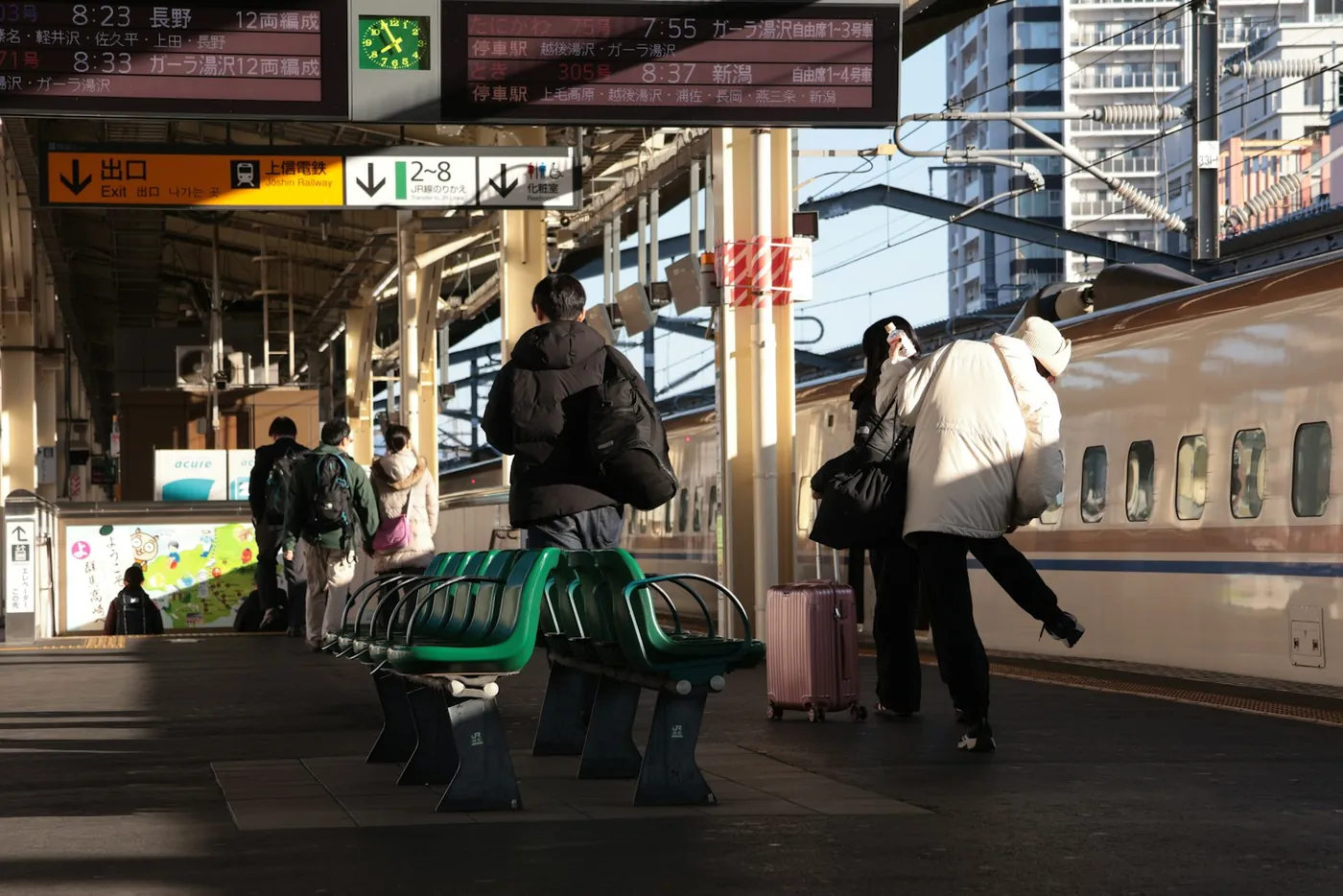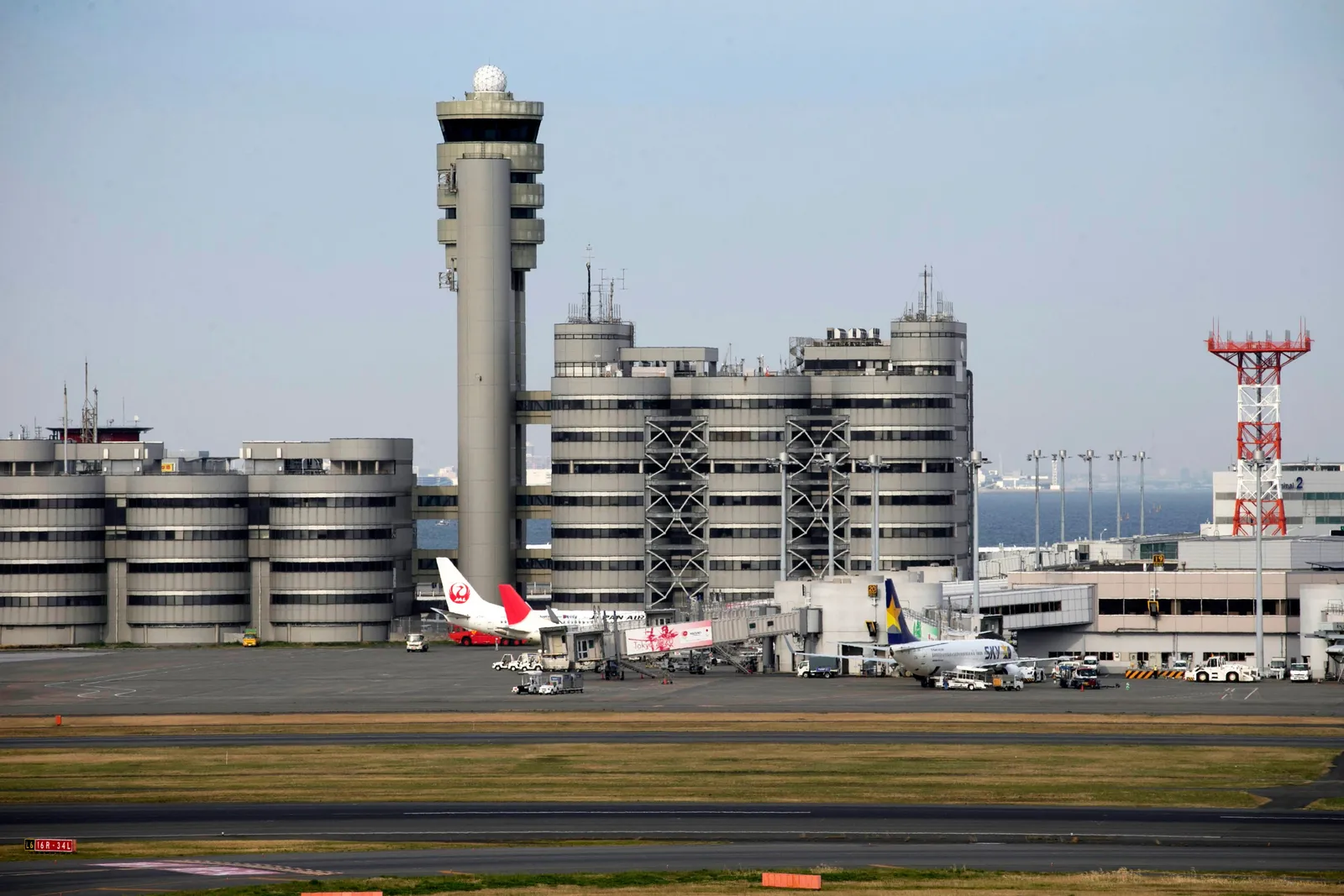
Japanese rail is so good that most visitors never seriously consider flying, and for the core of a first trip that instinct is right. Tokyo to Kyoto by shinkansen is city centre to city centre, with no check-in, no bag drop and no security queue worth the name.
The instinct stops being right the moment your itinerary leaves the main spine. Hokkaido, Kyushu at its southern end and Okinawa are long hauls by train or, in Okinawa’s case, not reachable by train at all, and that is where domestic aviation quietly becomes the sensible option. The calculation has also shifted a little: the nationwide rail pass rose in price from 1 October 2026 through overseas sales agents, which changes the break-even for anyone who was buying a pass mainly to cover one or two very long hops. Our JR Pass value guide covers that side of the sum in detail.
The honest comparison: door to door, not gate to gate
The mistake people make is comparing flight time with train time. A ninety-minute flight is not ninety minutes of your day. It is the trip out to the airport, the check-in cut-off, security, boarding, the flight, then the trip from the arrival airport into the city.
Add those up and a domestic flight in Japan realistically consumes most of a half-day regardless of how short the actual sector is. A shinkansen, by contrast, is roughly the advertised journey time plus ten minutes on the platform, and it leaves you in the middle of the destination city.
That single fact draws the line. On journeys of a few hours by train, rail wins on total time and on hassle even when the flight is cheaper. On journeys where the train would take most of a day, the flight wins on both. The interesting cases sit in the middle, and there the tiebreakers are usually price, luggage and how early you want to start.
Where flying clearly wins
Four categories are close to automatic.
Hokkaido. Tokyo to Sapporo by rail is a very long day with a change, while the flight is a short sector on one of the busiest air corridors in the world, with frequent departures on multiple carriers.
Okinawa and the smaller islands. There is no rail option at all. Flying is the only practical way to reach Naha and the outer islands beyond it.
Southern Kyushu. Rail reaches Fukuoka efficiently, but Kagoshima and Miyazaki from Tokyo are a genuinely long rail day, and flying reclaims most of it.
Awkward diagonals. Any route that would require two or three changes because the shinkansen network simply does not run that way, such as crossing between the Sea of Japan coast and the Pacific side, is often quicker in the air.
Where the train still wins, and it is not close
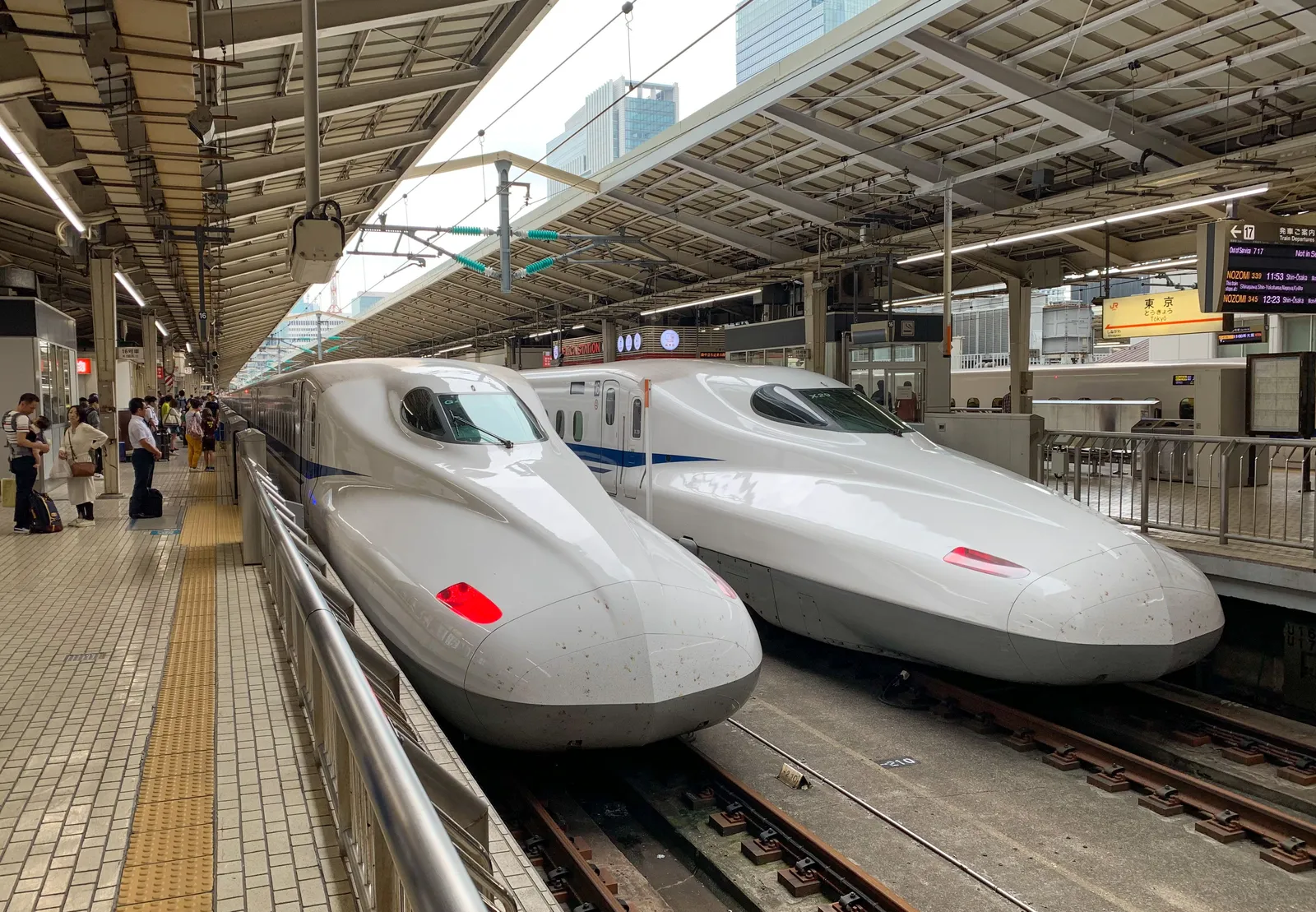
Tokyo to Kyoto, Tokyo to Osaka, Osaka to Hiroshima, Tokyo to Kanazawa: on all of these the train wins comfortably. The airports at both ends are far enough out that the transfer time swallows the flight’s advantage entirely, departures are frequent enough that you barely plan around them, and you arrive in the city rather than at its edge.
There is also a quality-of-day argument that is easy to underrate. You board a shinkansen ten minutes before it leaves, sit down with a bento, and get off in the middle of the next city. Nothing about a domestic flight feels like that. For the classic Tokyo to Kansai trip, flying is a solution to a problem you do not have.
Visitor fares: what still exists, and who qualifies
Japan’s two full-service carriers have historically sold discounted domestic fares restricted to overseas visitors, and this is where a lot of out-of-date advice circulates.
JAL continues to offer the Japan Explorer Pass, a set of discounted domestic fares available to people who reside outside Japan and who hold an international ticket to and from Japan at the time of booking. Passport details are taken at purchase. The international ticket does not generally need to be on the same airline, but read the current conditions rather than assuming.
ANA restructured its entire domestic fare lineup for flights boarding from 19 May 2026, and the old Experience Japan Fare and Discover Japan Fare no longer apply in their previous form. What ANA offers visitors now sits within that new structure, so check the current fare pages on ana.co.jp directly.
Two points to be careful about. First, eligibility for these programmes is typically based on residence rather than nationality, which is an important distinction for readers of many different passports: a citizen of any country living outside Japan usually qualifies, while a foreign national living in Japan usually does not. Second, terms, booking windows and route coverage on these fares are revised regularly, so verify on the airline’s own English site before you build an itinerary around one.
The low-cost carriers are the other half of the picture. Japan has a healthy budget airline sector serving the main leisure routes, and fares can be very low if you book early, with the usual caveats about bag fees, tight change rules and secondary terminals.
Compare domestic fares before you commit to a rail passOn the long hops to Hokkaido, Kyushu and Okinawa the flight is often the cheaper half of the tripFares, peaks and the booking window
Do not plan around a specific fare figure you read anywhere, including here. Japanese domestic pricing moves substantially with the booking window and with demand, and the cheapest fare buckets go first.
What is reliable is the shape of the year. Fares rise sharply and availability disappears around Golden Week in late April and early May, the Obon period in mid-August, and the New Year holiday. In those windows both planes and trains are full, and booking months rather than weeks ahead stops being optional. Outside them, a few weeks of lead time will usually get you a much better fare than buying on the day. For how flights sit inside a wider trip budget, our Japan budget and costs guide has the broader picture.
Practical things that differ from international flying
A few habits from long-haul travel will trip you up.
Check-in cut-offs are tighter. Domestic cut-off times in Japan are generally earlier relative to departure than international travellers expect, and they vary by airline and airport. Check yours specifically.
Carry-on rules are enforced. Size and weight limits for cabin baggage on domestic services differ from international allowances and are actually checked at the gate, particularly on the budget carriers.
Airports are not all equal. Some cities are served by an airport close to the centre and others by one a long bus ride away, and that difference alone can decide whether flying is worth it. Factor the ground transfer at both ends into the comparison before you book.

In short:
Take the train on the main corridor and fly the long diagonals. If Hokkaido, Okinawa or southern Kyushu are on your list, price the flights before you assume a rail pass is the answer, and if you qualify as a non-resident holding an international ticket, look at the JAL Japan Explorer Pass. Verify eligibility, fares and check-in cut-offs on the airlines’ own sites, since all three change. For everything within a few hours of Tokyo or Osaka, the shinkansen is still the better half of the day, as our getting around Japan guide explains.