There is one piece of Japanese infrastructure that reliably changes how people travel here, and almost nobody arrives knowing about it. For roughly the price of a short taxi ride you can send your suitcase from one hotel to the next and travel between cities carrying nothing. Residents do this constantly. Visitors drag wheeled cases up station stairs. Here is how to stop.
What it actually is
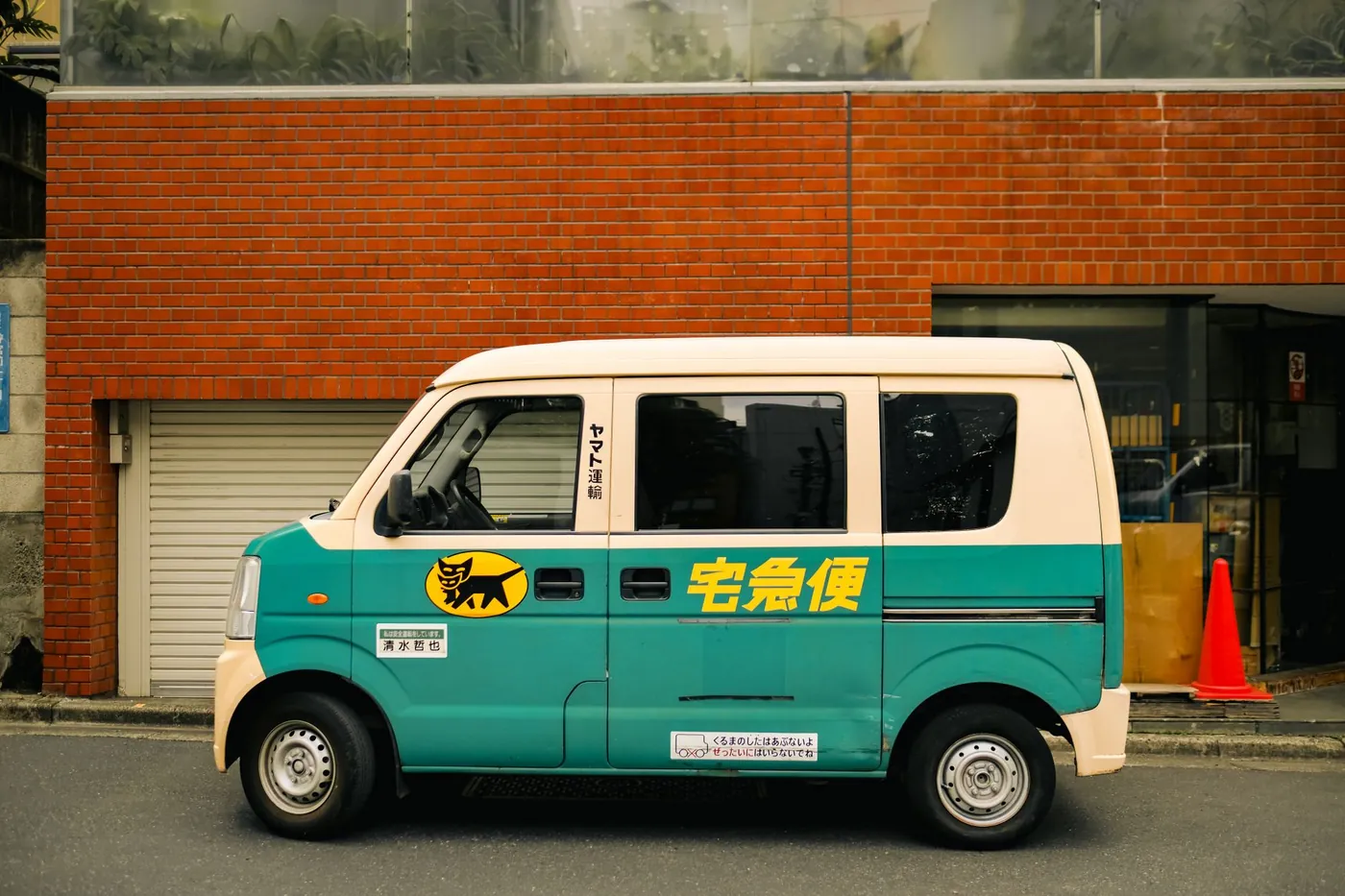
Japan has an exceptionally good door-to-door courier network, known generally as takuhaibin, operated by a handful of large carriers. It moves parcels, and a suitcase is simply a parcel.
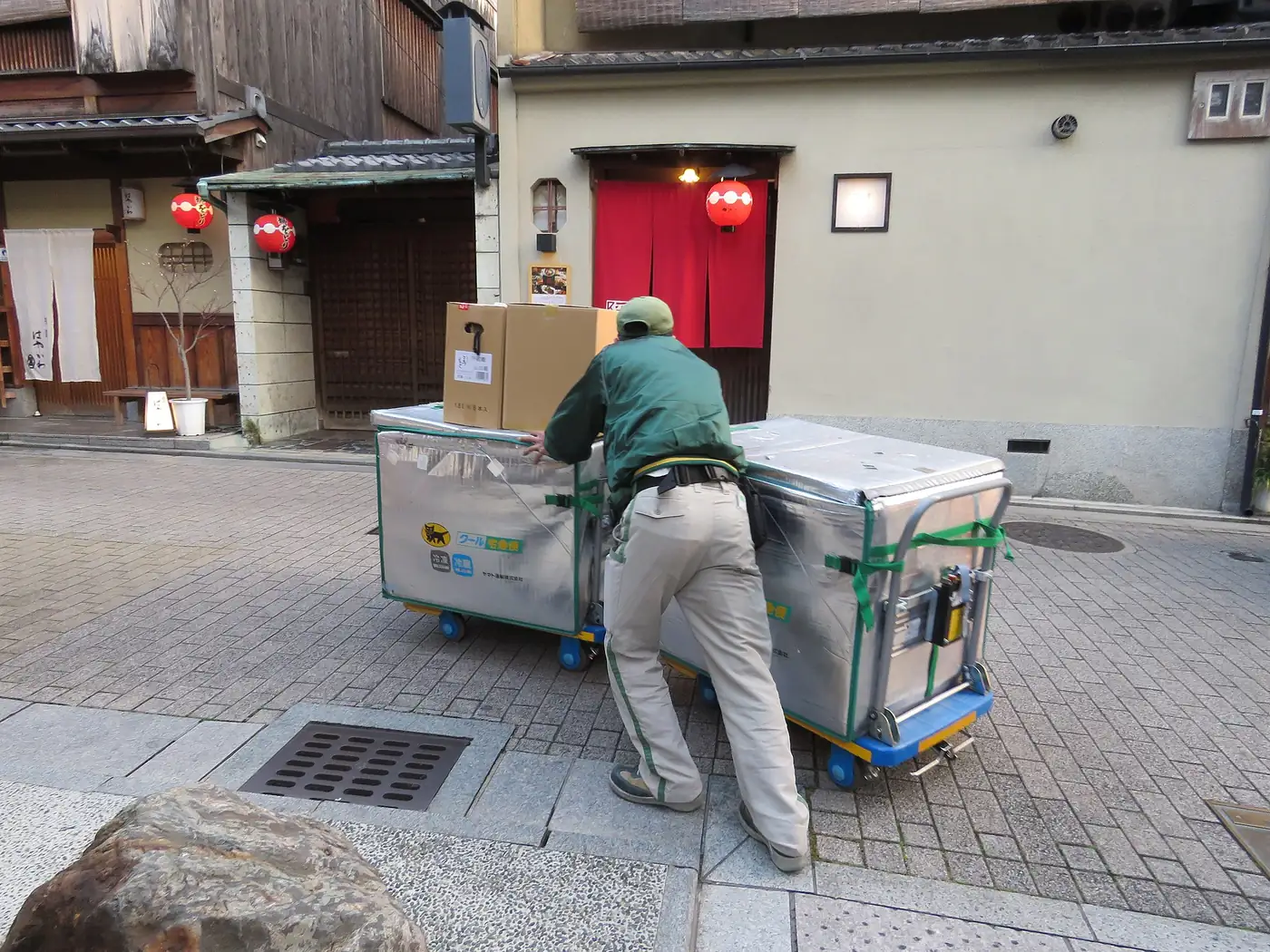
The mechanics are as simple as they sound. You take the bag to your hotel front desk, fill in a short form with the destination hotel’s address, pay, and hand it over. The bag arrives at your next hotel, normally the following day, and is waiting at reception when you check in. The desk staff do this many times a day and will walk you through the form.
That is the whole service. There is no app to install, no account to create and no advance booking.
What it costs and how long it takes
For a large suitcase between two major cities, expect something in the region of a couple of thousand yen. Pricing works on size and distance, so a smaller bag or a shorter hop costs less and an oversized case across the country costs more. Ask at the desk for the exact figure rather than relying on a number in a guide, since rates change.
Next day is the standard between major cities if you hand the bag over in the morning or early afternoon. Same-day is not generally available. Remote and mountainous destinations can take two days.
The practical rule that follows: send the bag the day before you move, not on the morning you travel. And confirm the expected delivery date at the counter rather than assuming.
There is a cut-off each day, usually in the early afternoon, after which the bag joins the next day’s collection rather than that evening’s. Hotels know their own cut-off, so ask when you check in rather than turning up at the desk with a case at six in the evening expecting next-day arrival. Payment is normally cash at the desk, and although card is increasingly accepted it is not universal, so having notes on you avoids a detour to a machine.
Keep the receipt. It carries the tracking number, which is what you quote if the bag has not appeared when you check in, and the carriers publish English tracking pages where the number is all you need.
Why it matters more in Japan than elsewhere
Three things make this less of a convenience and more of a structural fix.
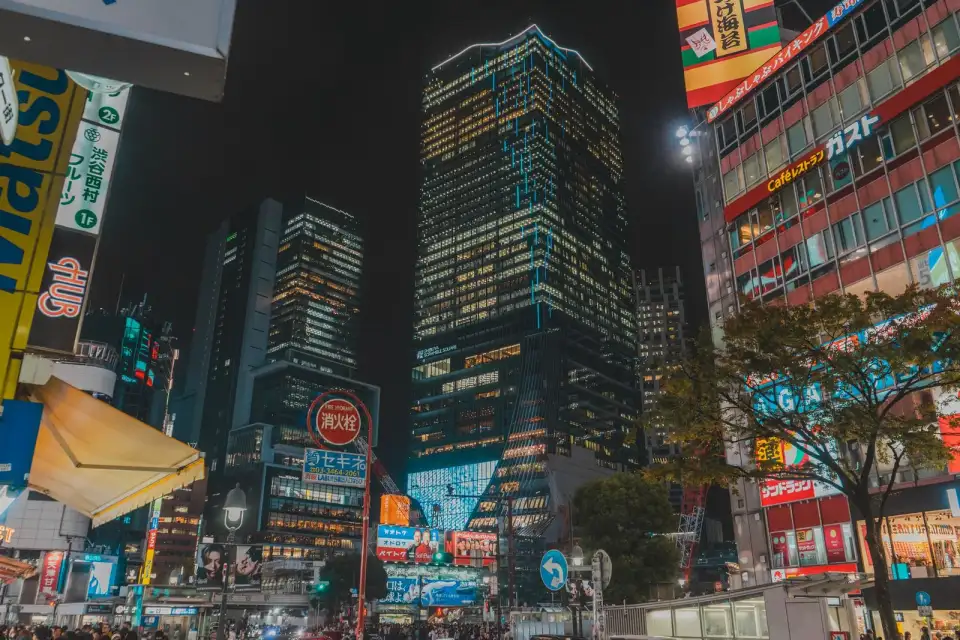
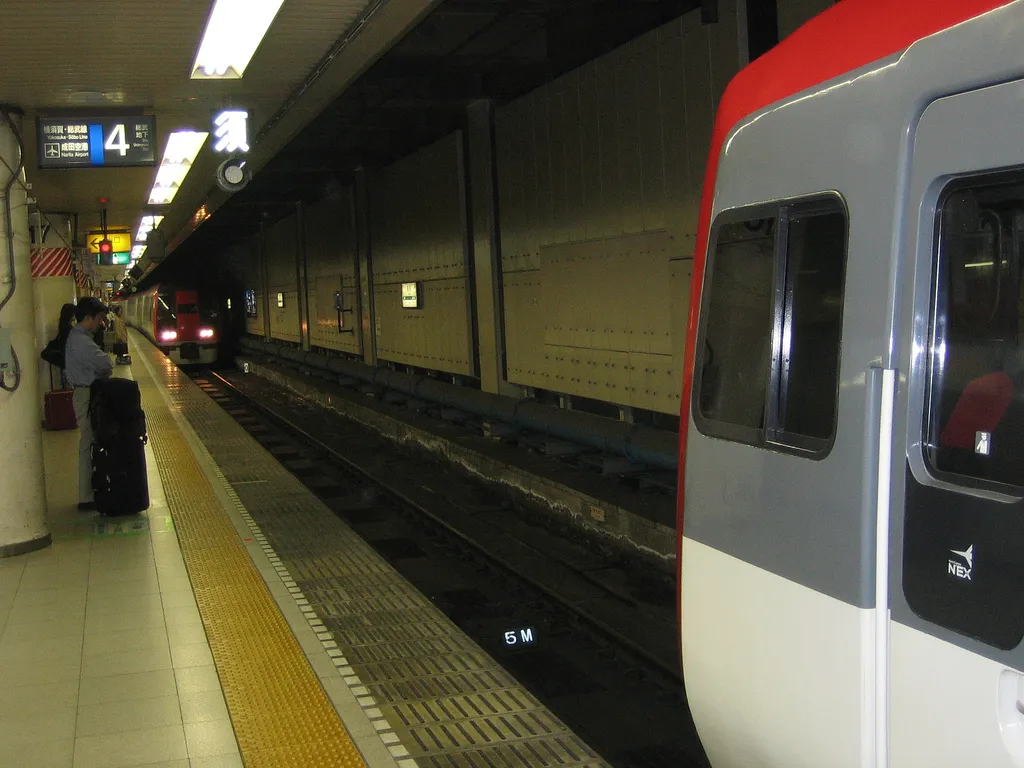
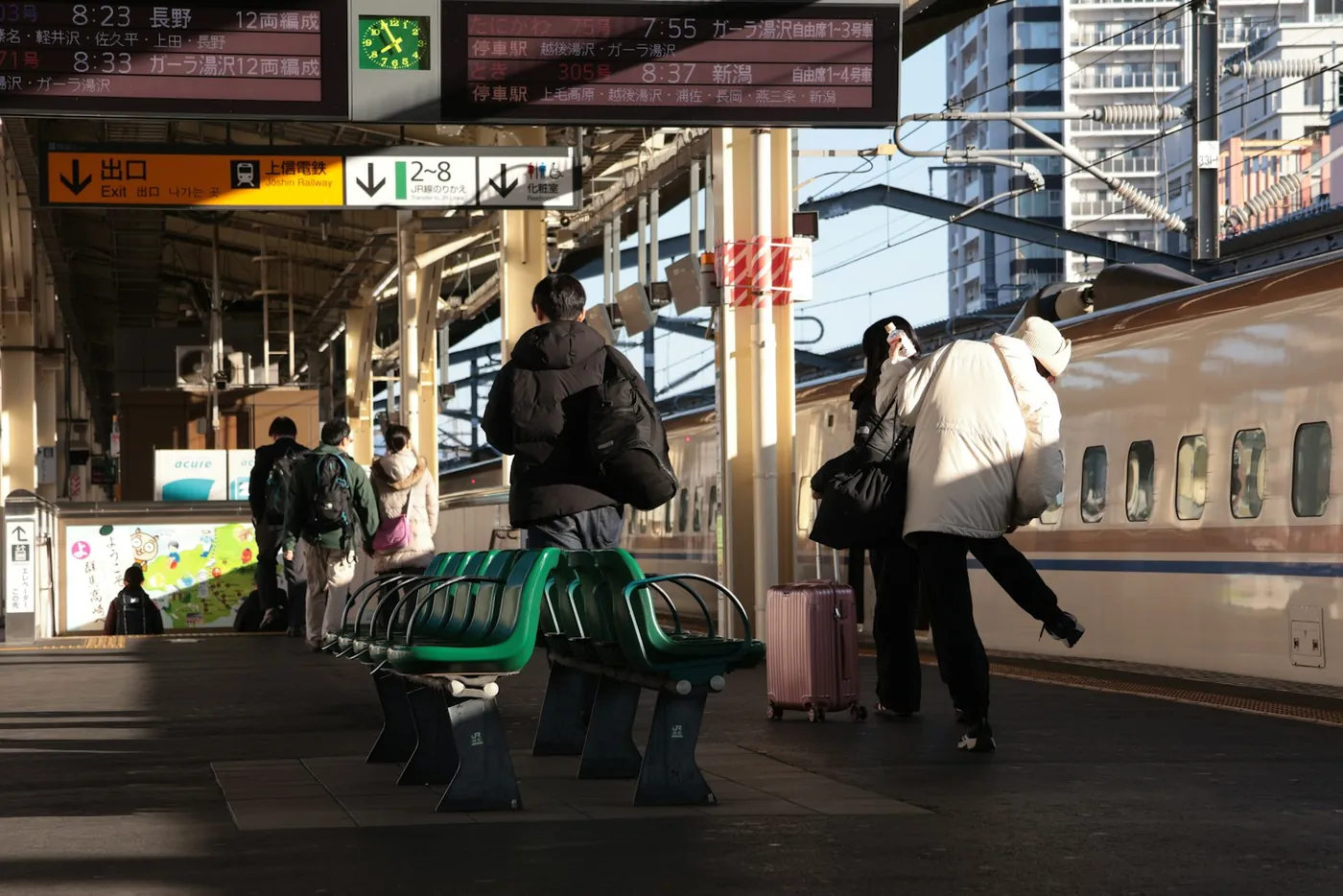
Stations are vertical. Japanese rail stations involve stairs, long transfer corridors and crowds, and moving a large suitcase through Tokyo Station at rush hour is genuinely unpleasant. Our guide to getting around Japan covers the network; this is how you use it comfortably.
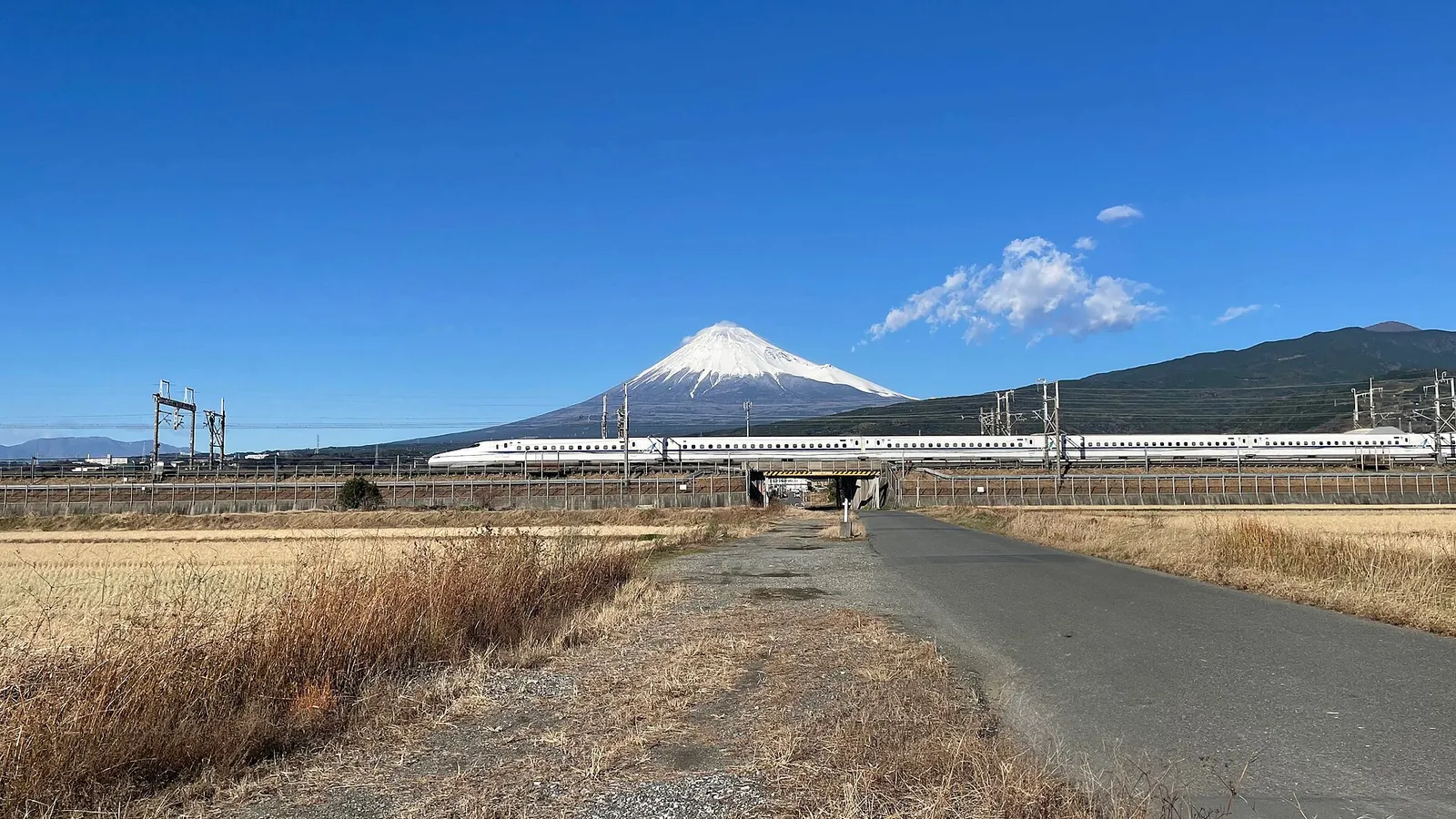
The shinkansen restricts large bags. On the main lines running west from Tokyo, a suitcase whose height, width and depth add up to more than 160cm requires an advance reservation for a seat beside the designated luggage space, and boarding without one carries a penalty charge. The reservation is free if made in advance, but it constrains which train you can take. Forwarding the bag removes the question entirely rather than solving it. The exact threshold and the current charge are published by the operators, so check their page if your case is close to the line.
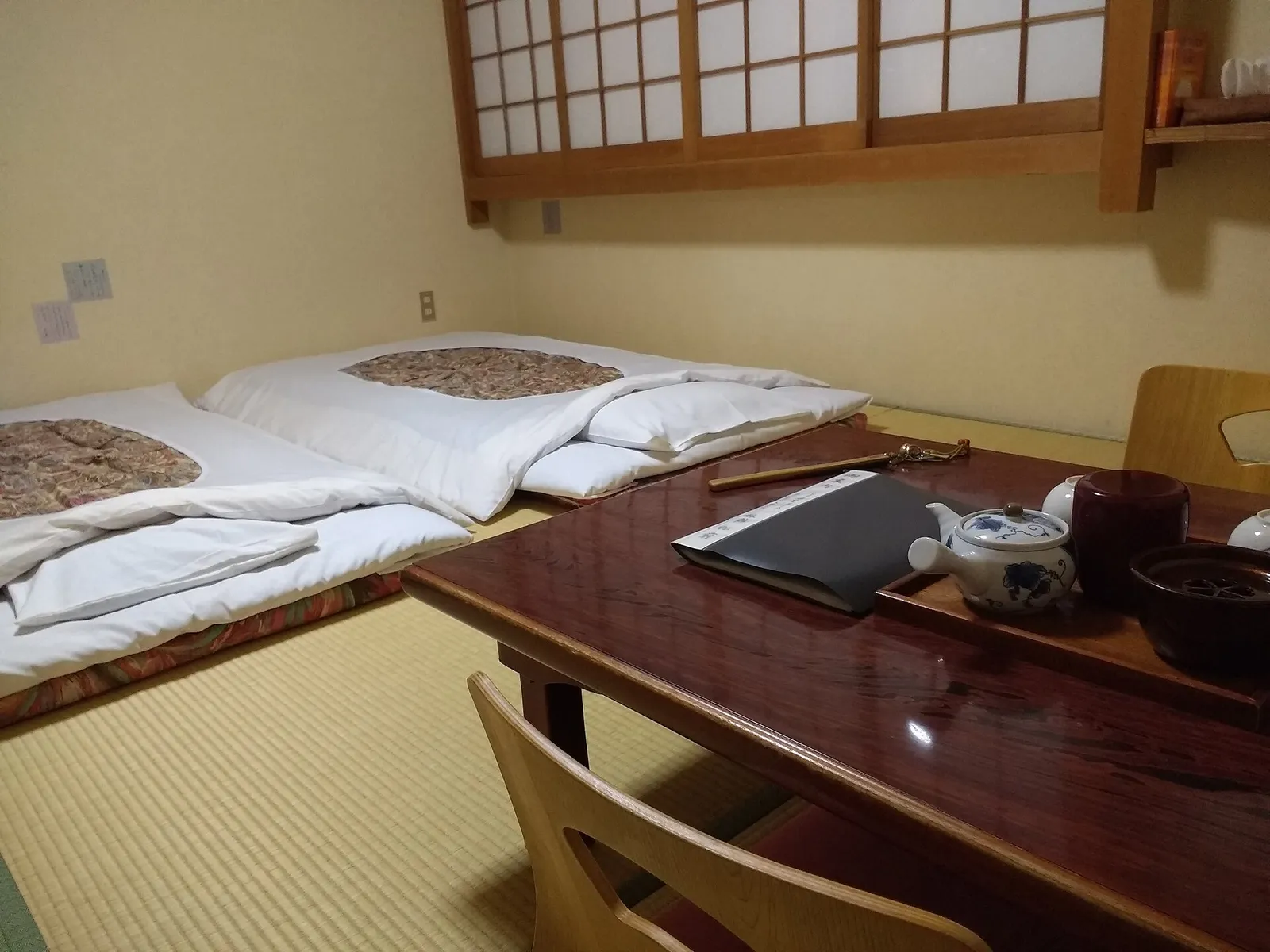
Rooms are small and ryokan are particular. A traditional inn with tatami floors is not designed around a large wheeled case, and hotel rooms in the cities are compact. Our ryokan guide covers the etiquette, and arriving with an overnight bag rather than a suitcase fits that setting considerably better.
Ask at the desk on arrival, not on departureFront desks handle forwarding several times a day, and mentioning it at check-in gives you time to plan the splitThe airport version
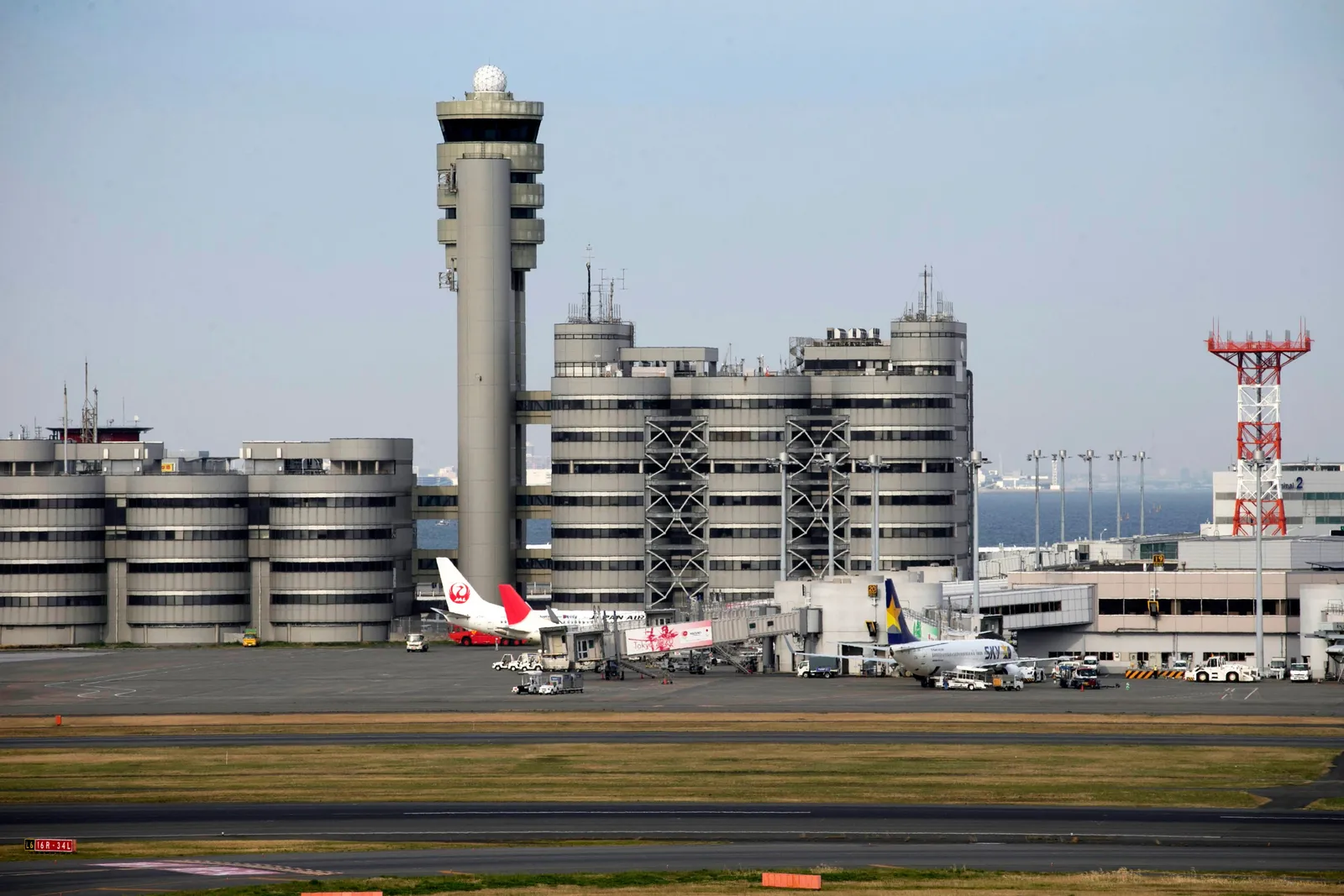
The most useful variation runs to and from the airports. Counters in the arrivals and departures areas of the main international airports will send bags to hotels across the country and receive them for collection when you fly home.
That means you can land, hand over the suitcase, and go straight into the city with a daypack. And on the way out, send the bag ahead a couple of days before departure and travel to the airport unencumbered.
Airport delivery needs more lead time than city to city. Allow a couple of days rather than sending the bag the night before your flight.
What to keep with you
This is the step people forget, and it is the only way the system goes wrong. You will be separated from the main bag for at least one night, so pack a small overnight bag first containing:
- Medication and anything medical
- Chargers and adapters
- One change of clothes and basic toiletries
- Travel documents, cards and cash
- Anything valuable or irreplaceable
Valuables should never go in a forwarded bag. Everything else can.
If you are not in a hotel
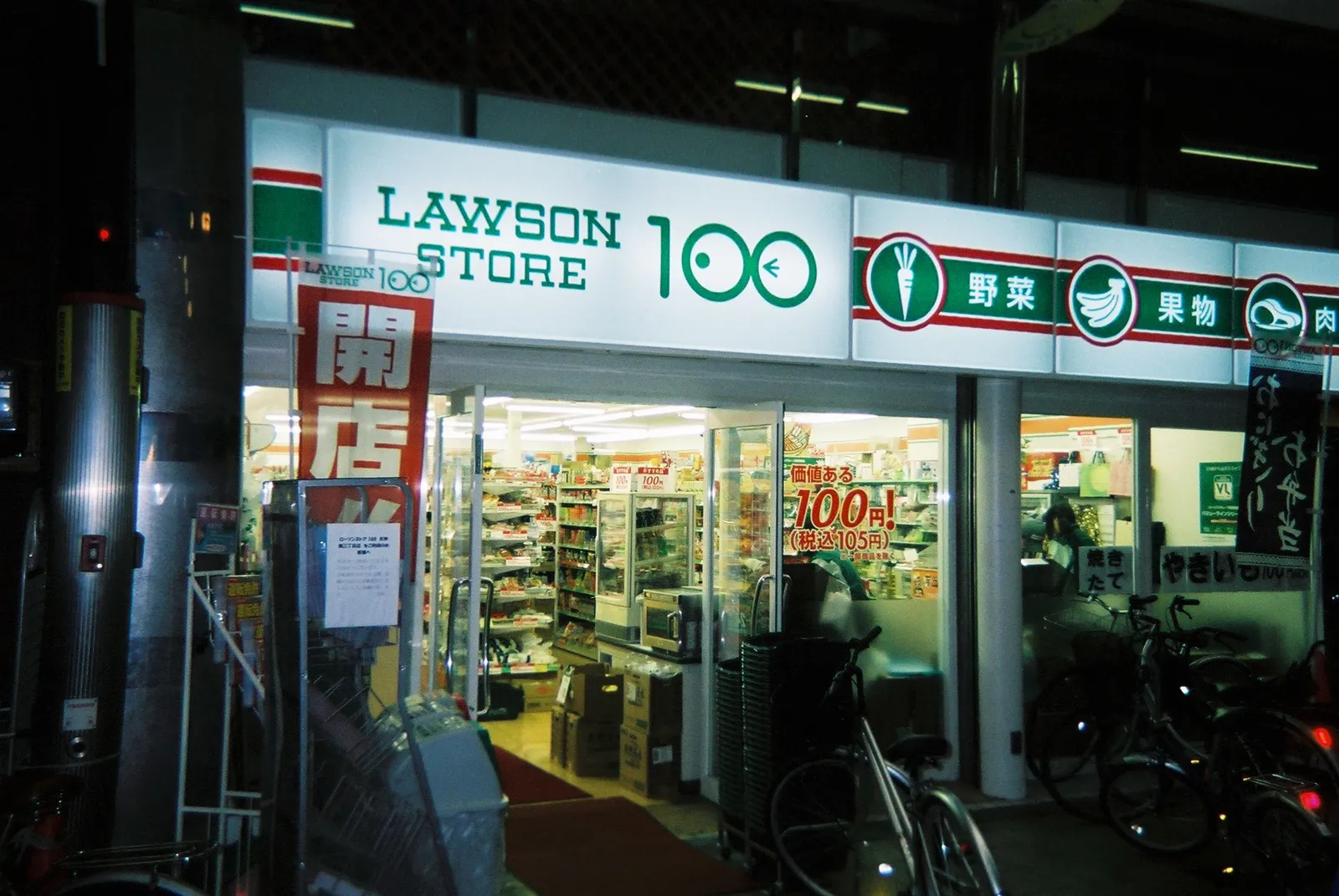
Staying in an apartment rental with no front desk does not rule this out. The convenience stores act as drop-off points for the courier networks, and our guide to Japanese convenience stores covers how central they are to daily life here generally.
The trade-off is a little more language friction than at a hotel desk, where staff deal with this constantly and often have an English form. Where you have a hotel, use the hotel.